


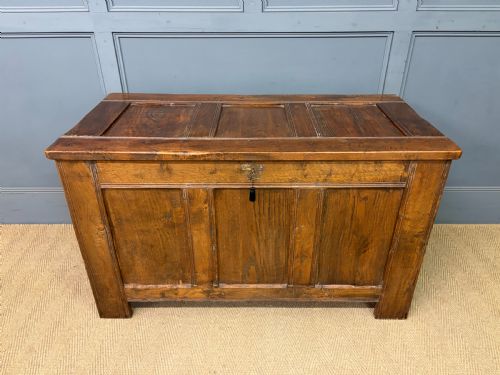
Georgian Trunk Chest
A georgian trunk chest brings centuries of practical storage history into a room through robust timbers and hard-wearing metal fittings.
Georgian Trunk Chest
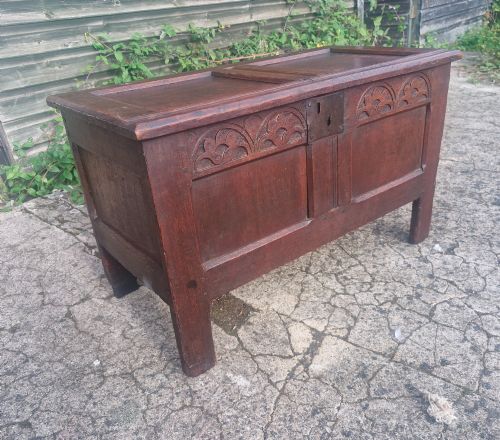
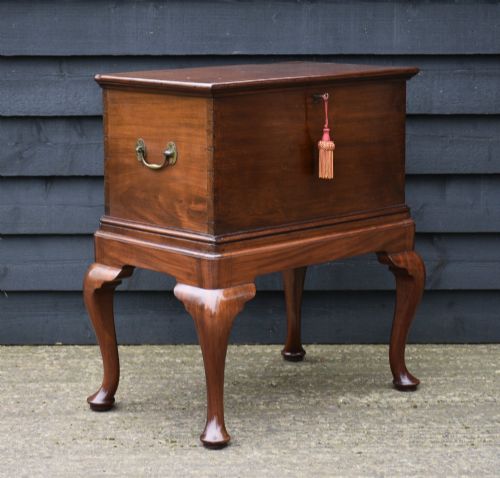
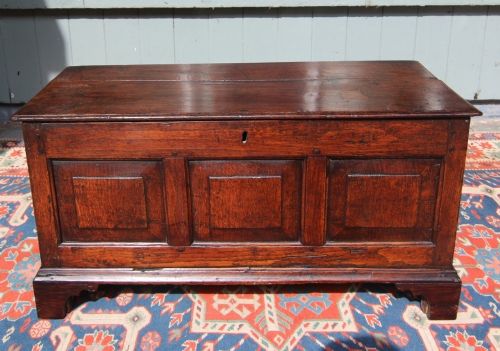
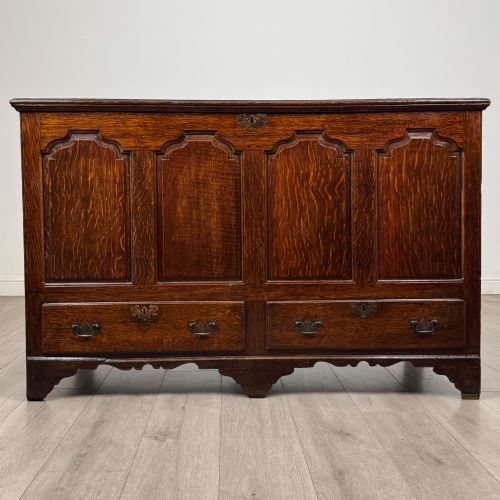
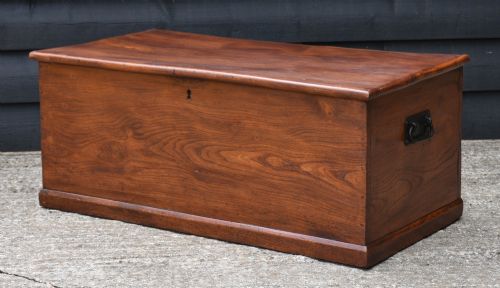
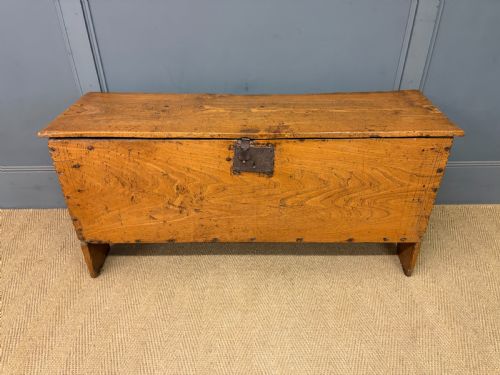
When searching for a georgian trunk chest, buyers encounter a diverse selection of storage pieces spanning coffers, mule chests, blanket boxes, and travelling trunks. These items originate primarily from the eighteenth and nineteenth centuries, reflecting the domestic and travelling needs of the period.
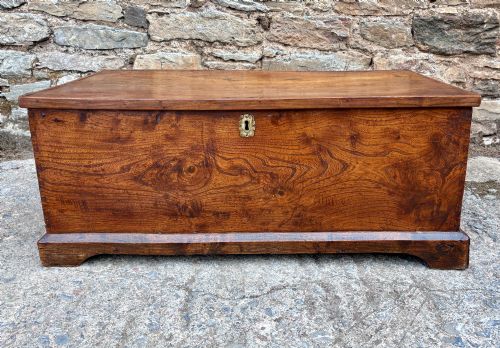
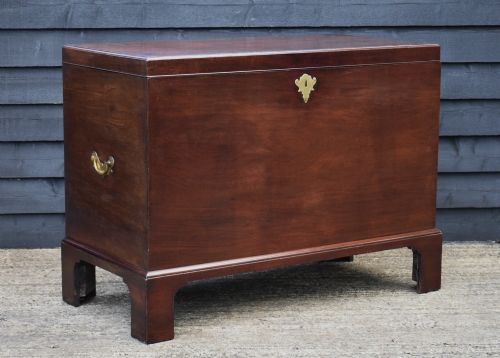
Oak forms the backbone of these listings, often found in joined and panelled coffer formats, alongside regional variations in elm, pine, and mahogany. Welsh vernacular pieces and country workshops appear frequently alongside refined metropolitan boxes.
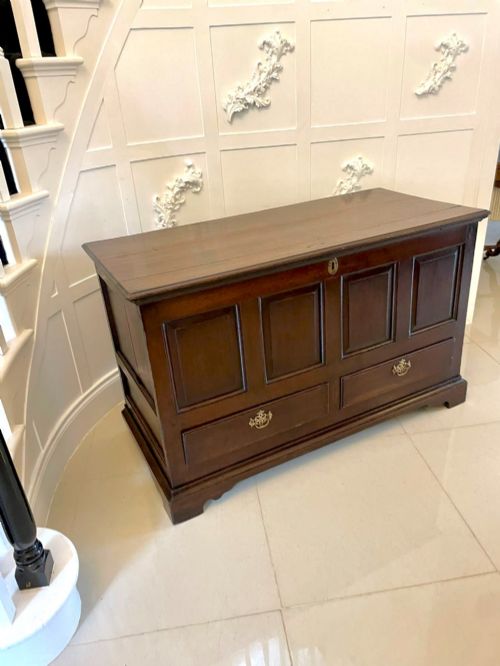
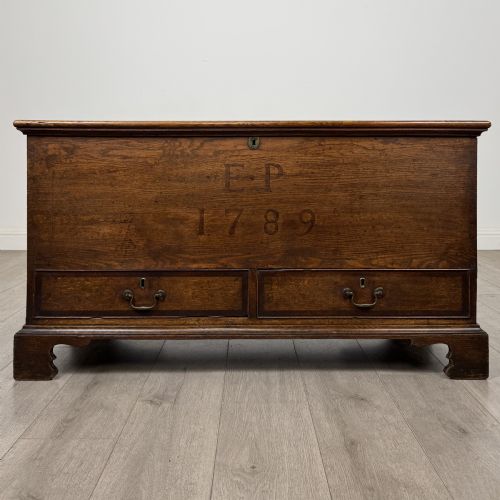
Many examples incorporate lower drawers beneath the main compartment, evolving from simple receptacles into versatile furniture pieces used for blankets, silver, or general household storage.
How they were made
Makers utilised sturdy timbers such as oak, elm, and pine, constructing bodies through traditional panelled joinery and dovetail joints to withstand heavy domestic or transit use. Selected pieces feature burr elm panels or geometric mouldings to add visual texture to the primary wood.
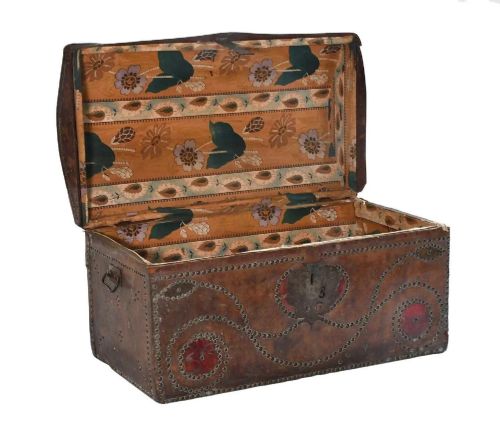
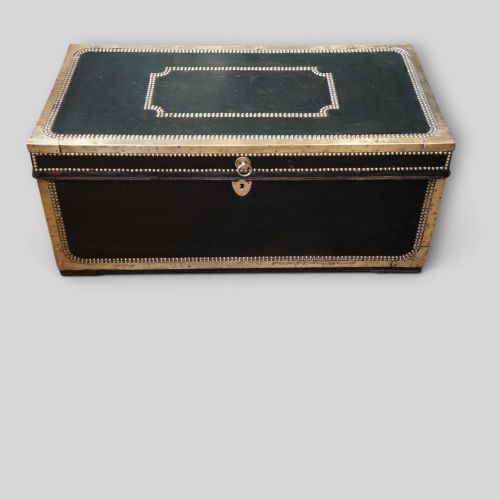
Iron and brass provide structural reinforcement and decorative detail, appearing as heavy corner straps, hinges, and iron binding. Leather, pony skin, and studwork frequently cover travelling trunks and caskets, secured with brass tacks along the edges.
Pony skin coverings occasionally wrap travelling trunks, adding a textured, tactile finish to rugged transport boxes.
What varies in quality
The degree of finishing separates standard utility boxes from high-status items, visible in the tightness of dovetail joints, the selection of figured timber like mahogany or burr elm, and the complexity of carved decoration.
The survival of original elements dictates the standing of a piece, such as intact brass locks, functioning carrying handles, original leather coverings, and authentic interior compartments or till boxes.
Samuel Pratt·Wm. Insall of Bristol·Sir Randolph Isham Routh KCB
The Georgian Trunk Chest Glossary
- Coffer
- A heavy wooden storage chest, typically joined and panelled, used historically for valuables and household goods. These pieces form a significant portion of early eighteenth-century survivals.
- Mule chest
- A storage chest featuring one or more drawers beneath the primary compartment. This hybrid form bridges the traditional coffer and the chest of drawers.
- Travelling trunk
- A reinforced box designed for transit, often wrapped in leather, studded with brass, and fitted with side carrying handles. They record the movement of goods and individuals across the Georgian era.
Georgian Trunk Chest: Frequently Asked Questions
How were travelling trunks used?
Travelling trunks accompanied owners on stagecoaches, ships, and early rail journeys to carry personal apparel and valuables. Their reinforced iron bands and brass studding protected the contents from rough handling during transit.
Covered often in leather or pony skin, they were built to endure heavy exposure to the elements.
Where were coffer bachs made?
Coffer bachs originate from Welsh domestic workshops, constructed typically from local oak during the eighteenth century. These miniature chests mirrored the joinery techniques of full-sized furniture.
Families utilised them to store precious textiles, documents, or personal keepsakes in domestic settings.
How do you date oak coffers?
Dating relies on observing construction methods, timber choice, and surface wear patterns. Early pieces from the seventeenth and early eighteenth centuries utilise heavy joined frames and pegged panels.
Later iterations incorporate secondary woods like pine or feature simpler board construction and applied mouldings.