





Georgian Tip Top Table
A georgian tip top table is a practical and ingenious piece of furniture designed to tilt away when not in use.
Georgian Tip Top Table
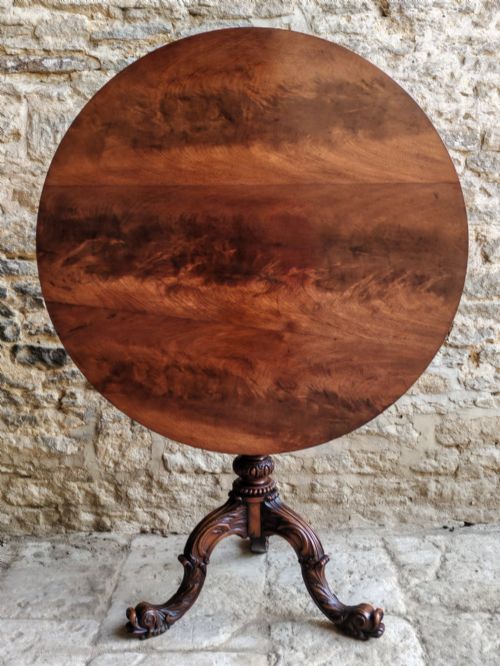
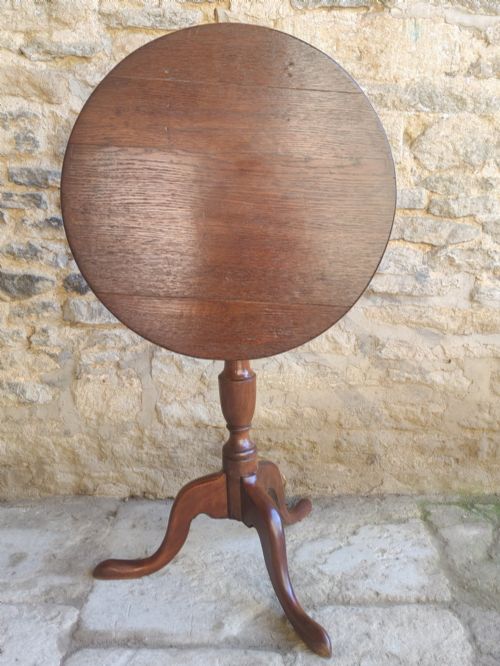
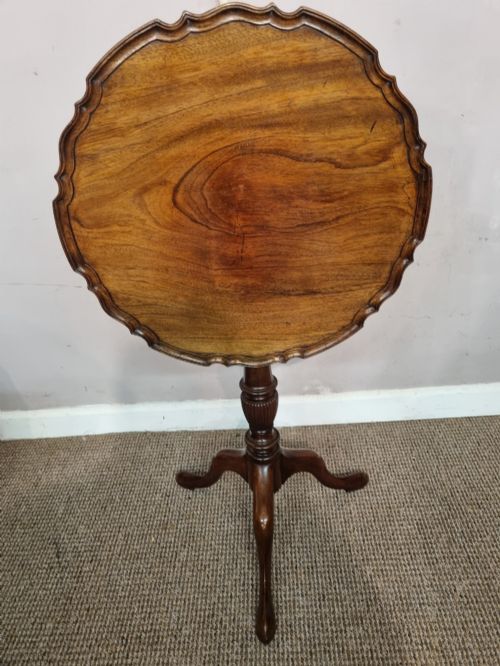
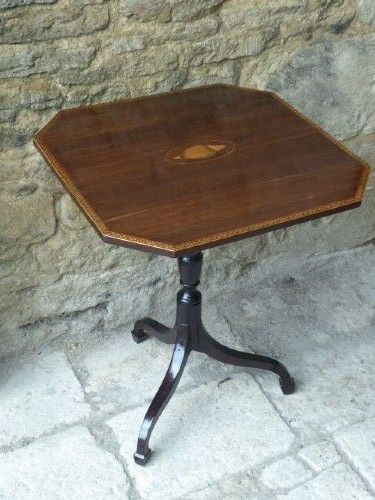
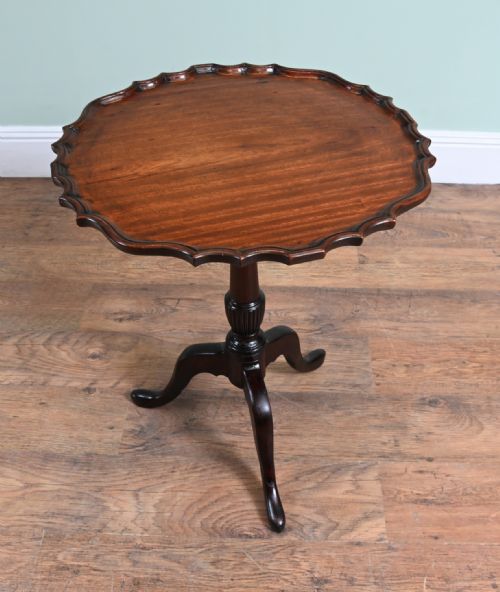
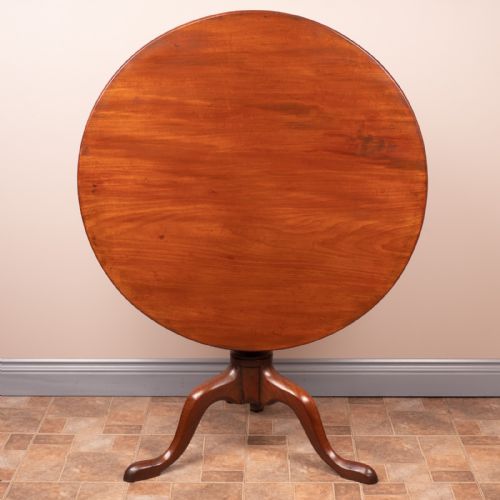
When you search for a georgian tip top table, you are looking at clever folding furniture designed to save space in period rooms. These pieces feature circular or shaped tops mounted on a central pillar and tripod base, allowing the surface to tip vertically against the wall when cleared.
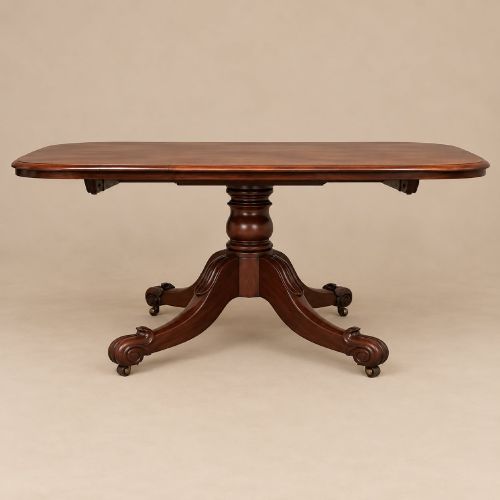
You are most likely to meet mahogany examples from the eighteenth and nineteenth centuries, often standing on tripod legs or incorporating birdcage mechanisms. Pine and walnut versions also appear, ranging from rustic farmhouse forms to refined Italian imports and later Georgian Revival interpretations.
How They Were Made
Cabinet makers constructed these tables primarily from solid mahogany, walnut, and pine, frequently utilising wood inlay for decorative contrast. Timber selection was vital for stability, ensuring the circular top remained flat and true over decades of tipping and use.
The clever movement relies on a birdcage mechanism or a simple pivoting block connected to the central pedestal. Brass catches and fittings often secure the top in its horizontal position, combining robust carpentry with functional engineering.
Georgian Tip Top Table Retail Price Guide 2026
Typical asking prices for georgian tip top table among the pieces listed under this phrase on Sellingantiques today, from the lower quarter to the upper quarter. They describe what is for sale here now, not the wider market.
Listings feature mahogany, pine, and walnut timbers across Georgian, Regency, and Victorian periods.
What Varies in Quality
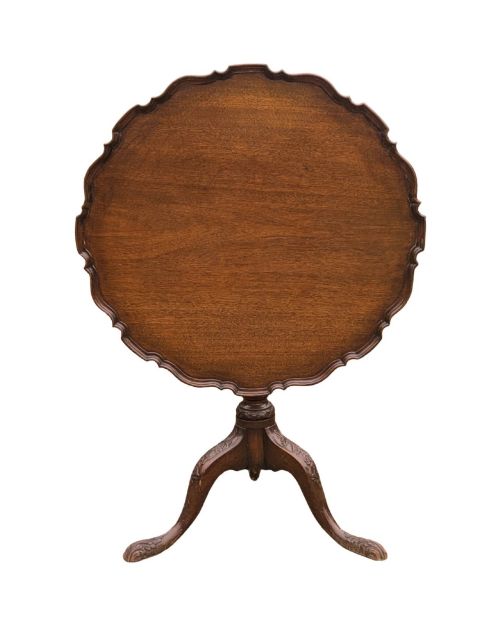
Quality in these tables rests on the crispness of the carving, particularly around pie crust edges and tripod legs. Finer examples display elegant proportions, smooth tipping mechanisms, and tight joinery at the pillar junction.
Simpler pine or rustic farmhouse versions rely on honest utility rather than elaborate ornamentation. The distinction lies in whether the timber choice and joinery serve a refined drawing-room aesthetic or a robust country interior.
The Georgian Tip Top Table Glossary
- Tilt-top table
- A table with a hinged top that rotates to a vertical position when not in use. This clever design allowed large surfaces to be stored against walls in compact period rooms.
- Pie crust edge
- A raised, carved moulding along the perimeter of the table top resembling pastry work. This decorative flourish is typical of finer eighteenth-century examples.
- Birdcage
- A timber framework beneath the table top that permits both rotation and tipping movements. It adds height and mechanical sophistication to the pedestal.
- Tripod base
- A support structure featuring three legs radiating from a central pillar. This configuration prevents wobbling on uneven historic floors.
Georgian Tip Top Table: Frequently Asked Questions
How do you use a tilt top table?
These tables function as versatile occasional surfaces for holding drinks, books, or decorative items during the evening. When the room needs to be cleared, the top unlatches and pivots upward to stand flat against the wall.
Living with them requires appreciating both their role as sturdy side tables and their secondary life as compact, wall-mounted wooden panels.
What is a birdcage mechanism?
A birdcage is a small wooden frame positioned between the table top and the central pedestal. It contains vertical spindles that allow the top to rotate horizontally as well as tilt vertically.
This sophisticated piece of joinery marks the table as a superior object made for affluent settings, offering smoother movement than simpler pivot blocks.
How do you spot a pie crust edge?
A pie crust edge is a distinctive carved border running around the circumference of a circular table top. Wood carvers shaped the solid timber into undulating curves resembling pastry pastry work.
This ornamental detail appears frequently on finer mahogany examples from the Georgian period and adds considerable visual texture to the silhouette.