

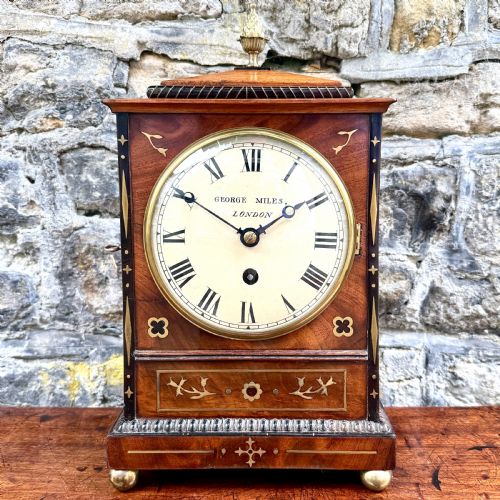
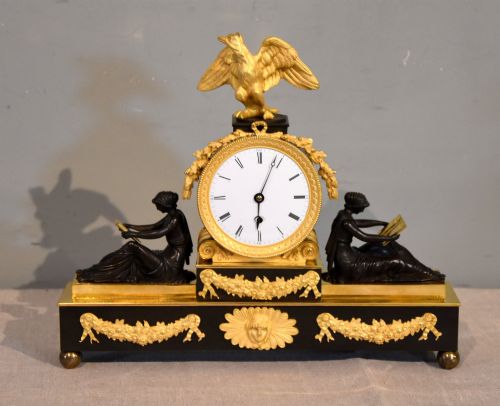
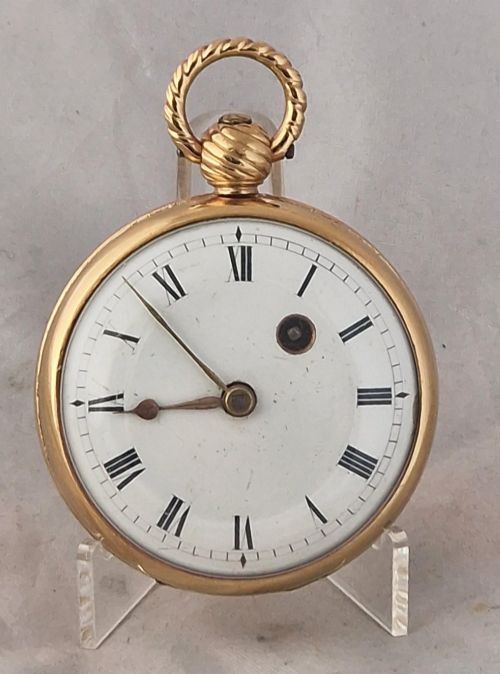
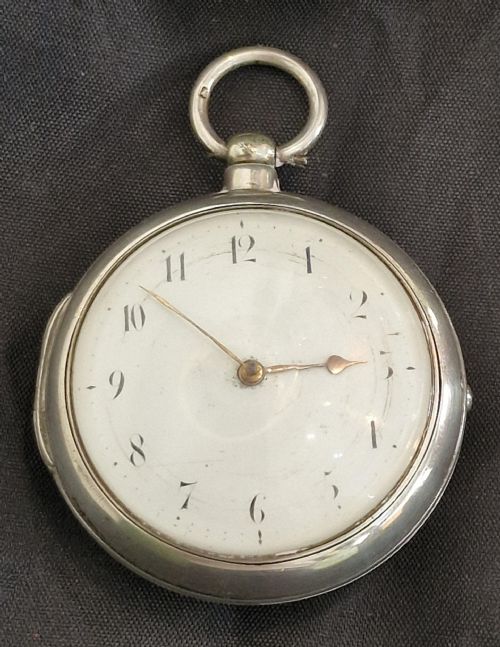




Georgian Timepiece
A georgian timepiece brings precise mechanics and rich mahogany or brass into a room, offering functional historical design.
Georgian Timepiece
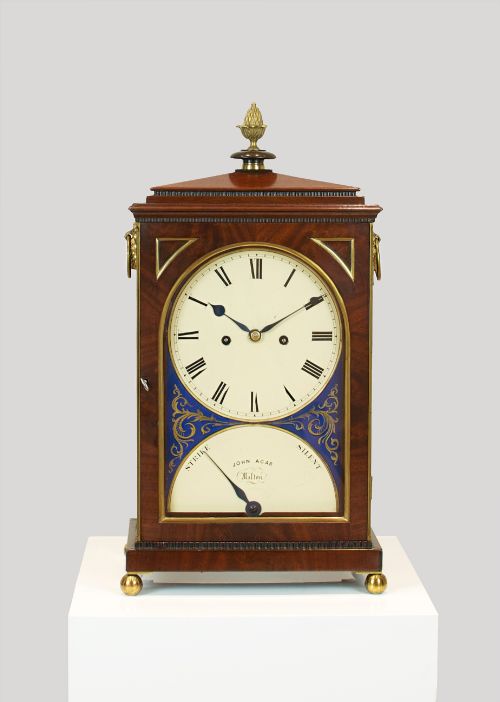
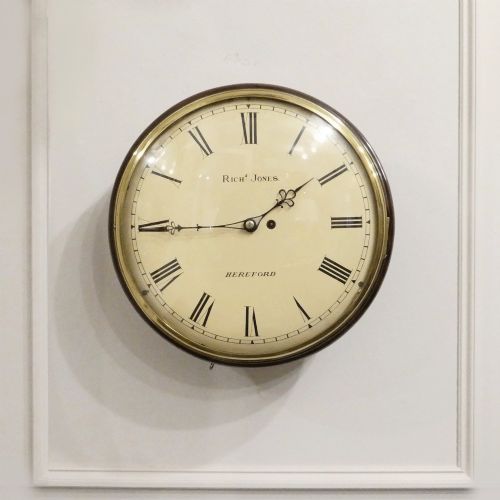
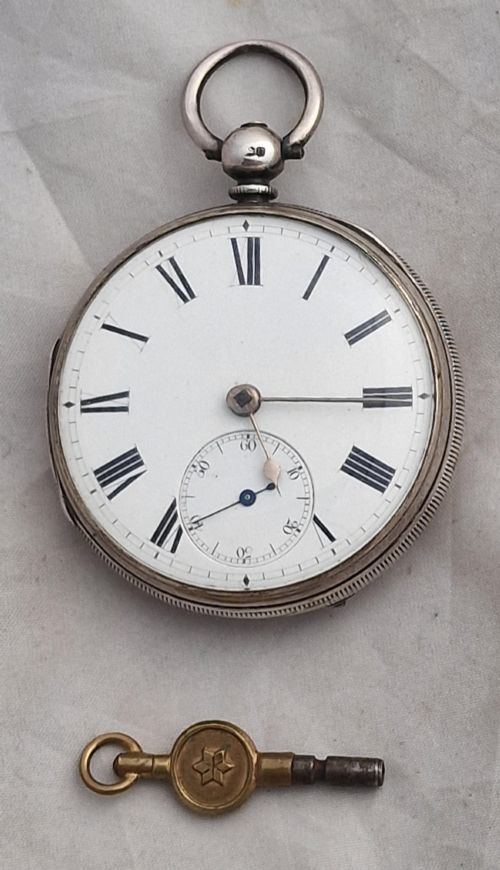
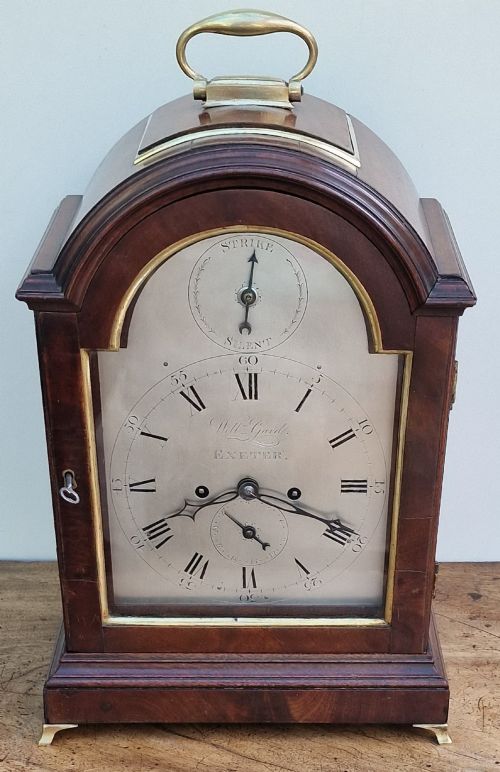
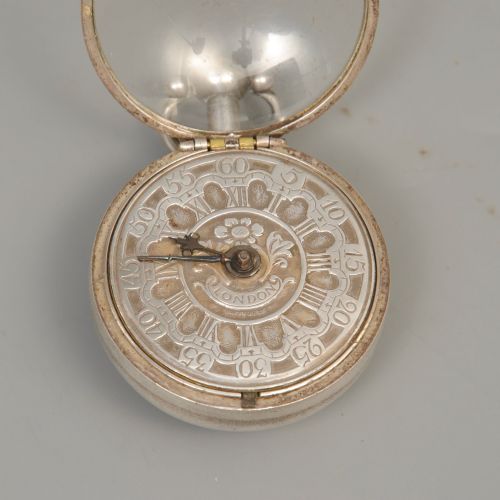
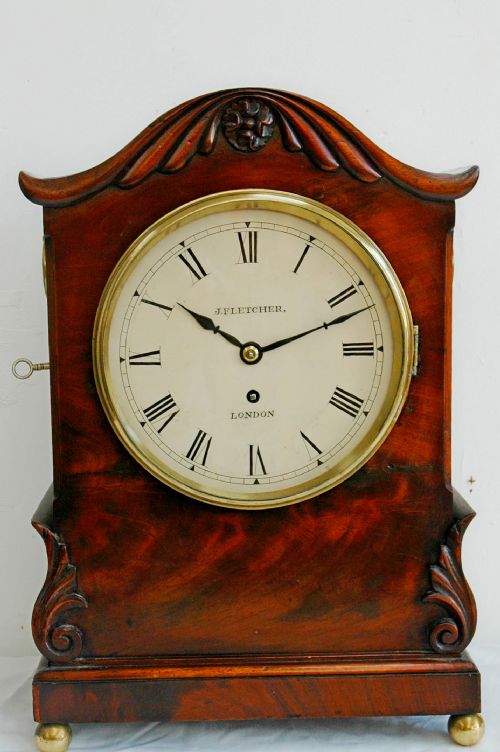
A georgian timepiece encompasses various horological forms produced during the eighteenth and early nineteenth centuries, including bracket clocks, wall dials, and pocket watches. Buyers exploring this category encounter provincial examples alongside signed London masterworks.
Mantel clocks and library clocks housed in mahogany cases dominate the selection, often featuring single fusee movements designed to run reliably. Wall clocks with large dials and brass lantern clocks also appear frequently among the listings.
Origins span English workshops from London to provincial towns like Hereford, Exeter, and Salisbury, alongside occasional continental pieces. The structural variety ranges from simple dial walls to elaborate brass-mounted bracket designs.
Materials and construction
Cases utilise solid timbers such as mahogany and rosewood, frequently enhanced with brass inlays, gilt mounts, or silver details. Movements combine steel and brass components, driven by fusee or verge escapements housed within glass-fronted enclosures.
Dials display painted enamel, champleve decoration, or engraved silver, protected by fitted glass bezels. Horn and burr walnut also appear in specific pocket watch and bracket clock constructions.
Georgian Timepiece Retail Price Guide 2026
Typical asking prices for georgian timepiece among the pieces listed under this phrase on Sellingantiques today, from the lower quarter to the upper quarter. They describe what is for sale here now, not the wider market.
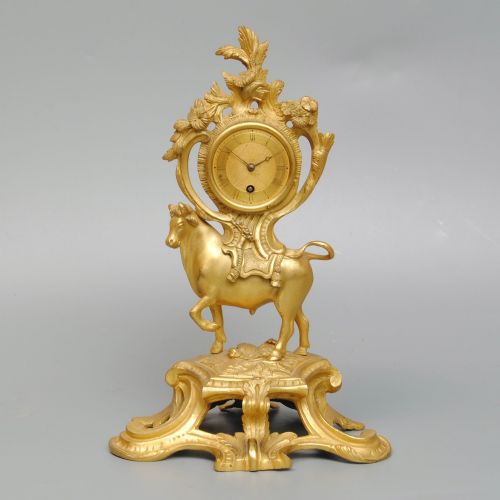
Current listings feature materials including mahogany, brass, silver, ormolu, and horn, spanning the Georgian, Regency, and Victorian eras.
Quality variations
The standard of a georgian timepiece depends on the refinement of its movement and the execution of its cabinetry. Finer examples feature fully signed brass backplates, intricate dial engraving, and well-proportioned timber cases with crisp mouldings.
Provincial pieces show simpler regional character, whereas London makers often supplied more elaborate or finely calibrated mechanisms. The integrity of the dial and the original matching components dictate the desirability of each clock.
Richard Jones of Hereford·William Gard Exeter·Baetens London·Bush of London·Webster Cornhill London·Viner London·Benj Reeves Lamberhurst·William Barrow·Arnold and Frodsham·Grey of Edinburgh·Hyde of Salisbury·Taylor of London·Grimaldi and Johnson Strand·Agar Of Malton·William Hardy London·McCabe London·Haley and Milner London·John Thwaites
The Georgian Timepiece Glossary
- Fusee
- A conical pulley used in mechanical clocks and watches to maintain even tension on the chain as the mainspring unwinds. This mechanism helps ensure steady timekeeping throughout the power reserve.
- Verge escapement
- An early type of escapement mechanism controlling the release of the gear train in clocks and pocket watches. It works with a crown wheel to regulate the movement.
- Bracket clock
- A portable table or mantel clock originating from the period when such pieces sat on wall brackets. Many feature arched wooden cases with carrying handles.
- Dial clock
- A wall-mounted clock featuring a prominent circular face, frequently utilised in offices, hallways, and public spaces during the eighteenth and nineteenth centuries.
- Pair cased
- A pocket watch style featuring an inner case holding the movement and an outer protective case covered in leather, horn, or precious metal.
Georgian Timepiece: Frequently Asked Questions
Where should I place a bracket clock?
Position your bracket clock on a stable, level surface away from direct sunlight, draughts, and external heat sources. This protects the delicate wood veneer and internal movement.
Historically, these pieces sat on dedicated wall brackets or sturdy mantelpieces where the tick could resonate clearly through the room.
What is the difference between a timepiece and a clock?
In horological terms, a timepiece indicates the hours and minutes without including a striking mechanism for the hours. A clock specifically includes a bell, gong, or strike train to sound the time.
Many listings distinguish between striking bracket clocks and silent timepieces built purely to show the hour.
How do I identify a Georgian movement?
Examine the internal brass backplate and escapement type, as Georgian pieces typically employ verge or early anchor escapements driven by fusee chains or cords. Signature engravings often appear directly on the movement.
Stylistic cues on the dial, such as painted numerals and pierced steel hands, further corroborate the eighteenth or early nineteenth-century origin.