





Georgian Timber Frame
Georgian timber frame items are substantial period furnishings and architectural elements that bring genuine historic character to a room.
Georgian Timber Frame
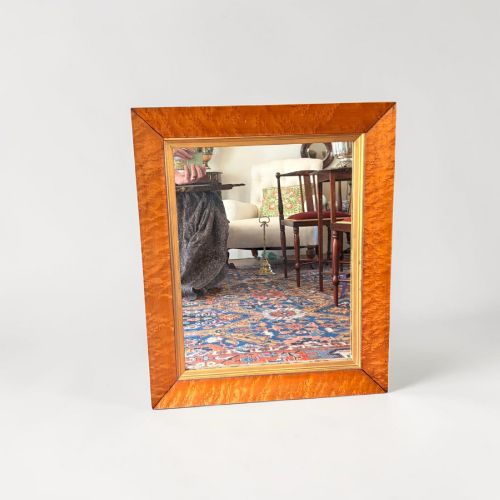
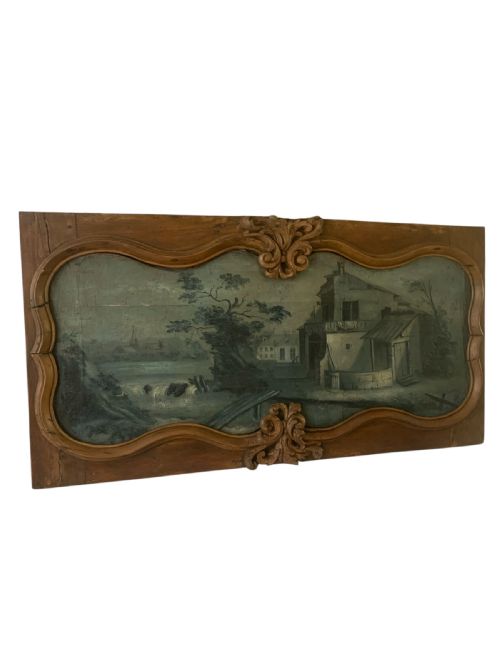
When you search for georgian timber frame items, you encounter a diverse mix of period furnishings, wall mirrors, and architectural elements originating from the eighteenth and nineteenth centuries. The selection encompasses seating like country house sofas alongside library steps, architectural painted panels, and framed wall mirrors.
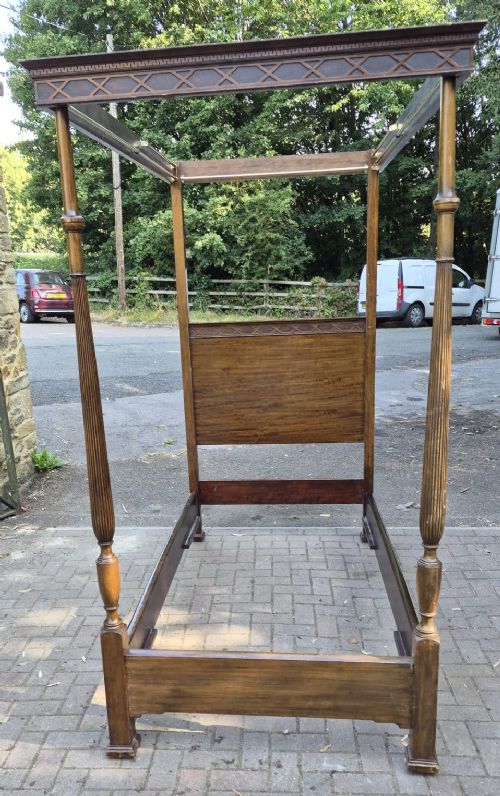
You are most likely to meet mahogany or walnut wall mirrors alongside larger bedroom pieces and seating dating from the Georgian and Regency eras. These works reflect the architectural and decorative tastes of the eighteenth and nineteenth centuries, merging functional utility with traditional cabinetmaking.
The objects span varied domestic contexts, from library steps to overdoor painted panels and framed artwork. Each piece bears the hallmarks of period construction, utilising woods and framing techniques characteristic of British workshops.
Materials and construction
Makers utilised dense hardwoods such as mahogany, walnut, and birds eye maple to construct durable frames and cabinetry. These timbers were selected for their strength and grain patterns, often enhanced with inlay or giltwood details.
Secondary framing frequently employed native oak and deal, whilst specialised items incorporated brass hardware, glass plates, and hessian backing. Joinery relied on traditional pegged and dovetailed joints designed to withstand generations of domestic use.
Georgian Timber Frame Retail Price Guide 2026
Typical asking prices for georgian timber frame among the pieces listed under this phrase on Sellingantiques today, from the lower quarter to the upper quarter. They describe what is for sale here now, not the wider market.
Listings feature items from the Georgian, Regency, and Victorian periods, utilising mahogany, walnut, oak, and brass.
Assessing quality
Quality rests in the crispness of the timber carving, the choice of veneer figuring, and the integrity of the original construction. Superior examples display thoughtful proportions and careful selection of grain, whereas lesser pieces rely on simpler stock and heavier secondary repairs.
The presence of original surfaces, untouched glass in mirrors, and patination accumulated through age distinguishes finer items from later revivals. A well-preserved frame retains its structural rigidity without excessive intervention to the primary wood.
Augustin Edouart·Mrs Henry T Ford the second·J Mitan
The Georgian Timber Frame Glossary
- George III
- A stylistic period spanning the reign of George III, characterised by classical influence and refined mahogany furniture design. It represents a high point in British cabinetmaking.
- Regency
- A decorative style prevalent in the early nineteenth century, drawing inspiration from classical antiquity, often featuring simulated rosewood and bold architectural lines.
- Inlay
- A technique where contrasting pieces of wood or metal are fitted into a recess in the primary timber surface to create decorative patterns. It adds visual complexity to mirrors and cabinetry.
- Giltwood
- Timber that has been coated with a thin layer of gold leaf or gesso and gilding. This finish is commonly found on decorative wall mirrors from the eighteenth and nineteenth centuries.
- Canterbury
- A low wooden stand with slatted partitions, originally designed for holding sheet music or newspapers. Regency examples utilise turned legs and fine timber construction.
Georgian Timber Frame: Frequently Asked Questions
How do I identify a Georgian mirror?
Examine the timber framing for period characteristics such as mahogany construction, original gilding, and early mirrored glass plates with slight oxidation. The backing boards and fixings should also correspond to eighteenth or nineteenth-century workshop practices.
Compare the proportions and fretwork details against documented examples from the era. Genuine pieces display hand-cut joinery and aged patination that modern reproductions cannot replicate.
Where were timber frame items used?
These items populated country houses, libraries, and formal drawing rooms, serving both decorative and utilitarian functions. Architectural panels were integrated directly into interior walls above doorways.
Smaller pieces like library steps and wall mirrors were positioned for daily utility in domestic spaces. Their placement reflected the architectural symmetry and interior design priorities of the period.
How do I care for antique wood?
Maintain stable humidity levels and keep wooden frames away from direct sunlight and heat sources to prevent the timber from splitting. Dust regularly with a soft, dry cloth rather than applying modern chemical polishes.
Occasional applications of natural beeswax help nourish dry surfaces and preserve the historic finish. Handle structural elements carefully to protect original joints and surface patination.
What defines the Regency style?
The Regency style draws heavily from classical Greek and Roman motifs, resulting in cleaner lines and bolder decorative elements. Furniture often utilised simulated rosewood, brass inlay, and architectural forms.
This aesthetic bridged the gap between eighteenth-century classicism and nineteenth-century revivalism. Pieces from this era emphasise striking silhouettes and restrained ornamentation.