





Georgian Timber Container
A georgian timber container brings practical craftsmanship into any room, offering tangible history through small, functional vessels crafted to hold tea, spice, and snuff.
Georgian Timber Container
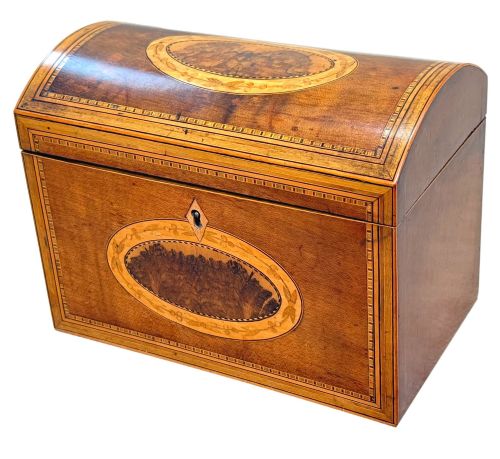
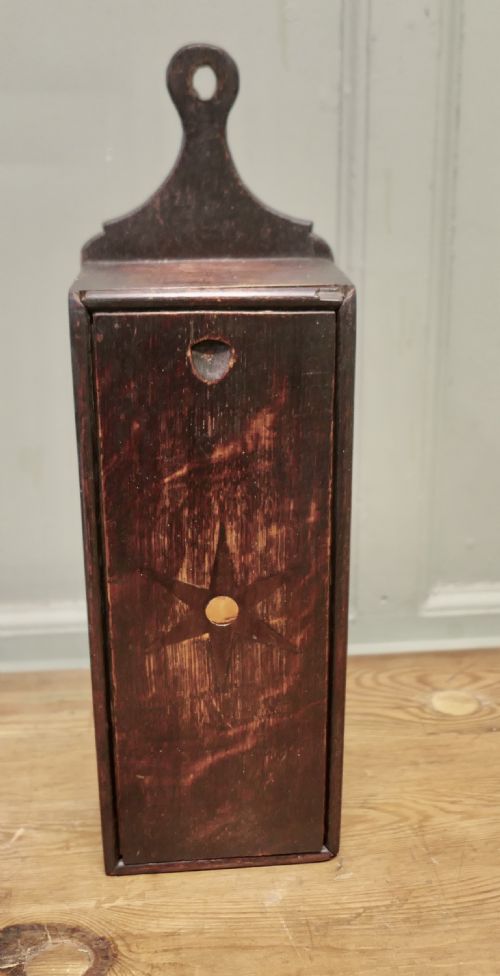
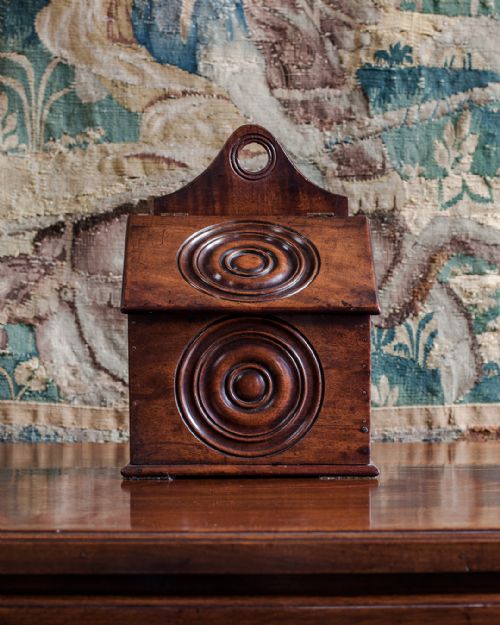
When you search for a georgian timber container, you find small domestic receptacles designed for provisions like tea, spices, salt, and snuff. These items range from wall-hanging oak candle boxes to intricately fitted tea caddies.
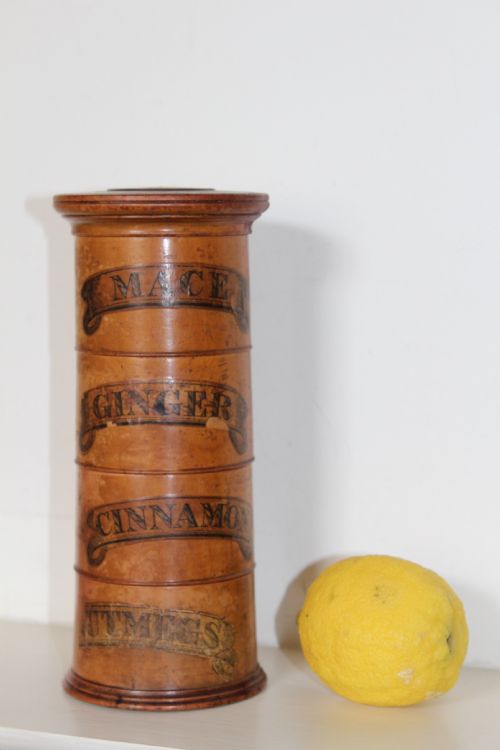
Makers shaped these vessels from native and exotic woods to serve specific household tasks. Common forms encompass tea caddies, spice towers, salt boxes, and snuff boxes shaped with practical intent.
How they were made
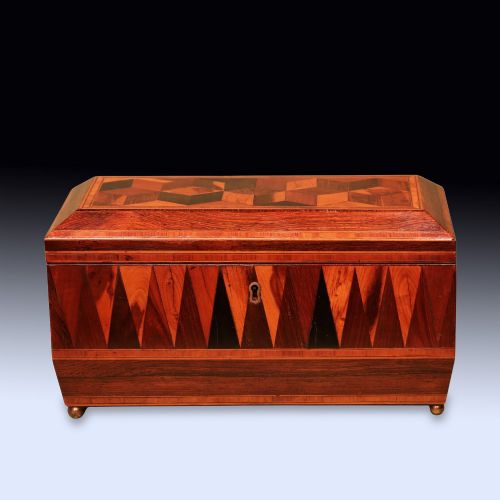
Carpenters and joiners utilised timber such as oak, mahogany, walnut, harewood, and yew wood for the primary body of each container. They often incorporated contrasting woods like satinwood and blackthorn to create parquetry patterns and geometric decoration.
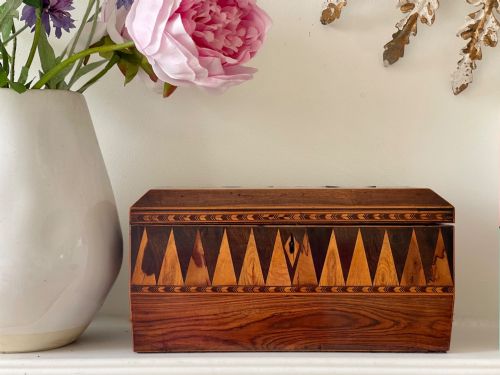
Metal components like brass hardware secure lids and hinges, while bone inlays add fine detail to surface decoration. Artisans shaped other pieces through woodturning, carving, and the specialised mosaic technique of Tunbridge Ware.
Georgian Timber Container Retail Price Guide 2026
Typical asking prices for georgian timber container among the pieces listed under this phrase on Sellingantiques today, from the lower quarter to the upper quarter. They describe what is for sale here now, not the wider market.
A tiny stack of Tunbridge Ware pots managed to survive centuries of household shuffling without losing its lid.
What varies in quality
Quality rests in the precision of the woodwork, from tight parquetry joints to the retention of fitted interiors. Superior examples maintain their structural integrity and original surfaces without excessive timber replacement.
The depth of carving and the richness of the natural patina dictate the visual appeal of hardwood items. Pieces exhibiting careful selection of specimen woods stand apart from simpler utilitarian boxes.
The Georgian Timber Container Glossary
- Tea caddy
- A small box or jar designed to store tea leaves securely. These containers often feature internal compartments and lids.
- Treen
- Small handmade wooden household objects. Items in this category include spice towers and utilitarian kitchen vessels.
- Parquetry
- A mosaic of wood pieces geometric in form used for surface decoration. This technique appears on tea caddies and decorative boxes.
- Patina
- The gloss or sheen developed on wood through age and handling. A rich patina indicates long use and proper care.
Georgian Timber Container: Frequently Asked Questions
What were tea caddies used for?
Tea caddies stored precious tea leaves securely under lock and key in the formal rooms of the house.
Tea was an expensive commodity during the Georgian era, requiring specialised timber containers to protect the leaves from dampness and theft.
How do I identify a spice tower?
Spice towers consist of multiple stacked compartments designed to hold various culinary seasonings in a vertical form.
These turned wooden containers fit neatly on a surface while keeping individual spices separated and easily accessible.
What is Tunbridge Ware?
Tunbridge Ware is a form of decorative woodwork featuring intricate mosaic patterns made from tiny wood blocks.
Craftsmen arranged native and exotic timbers to depict architectural scenes, floral motifs, or geometric designs on boxes and pots.
Where were wall hanging boxes placed?
Wall hanging boxes were positioned near hearths or doorways for convenient access to household essentials like candles or salt.
Their constructed backboards allowed them to be secured directly to wall surfaces in busy domestic spaces.