

Georgian Teacup
A georgian teacup brings the refined ceramic artistry of the eighteenth and early nineteenth centuries directly to the modern table.
Georgian Teacup
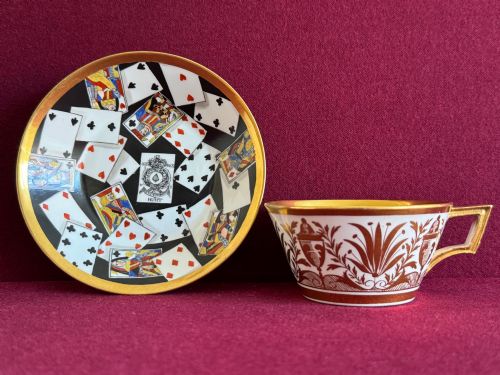
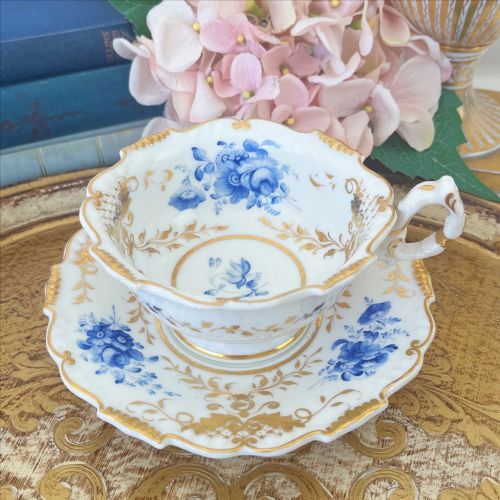
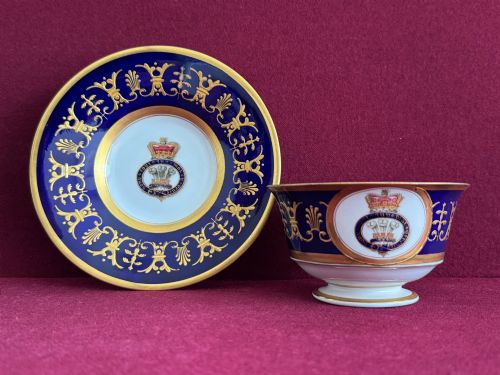
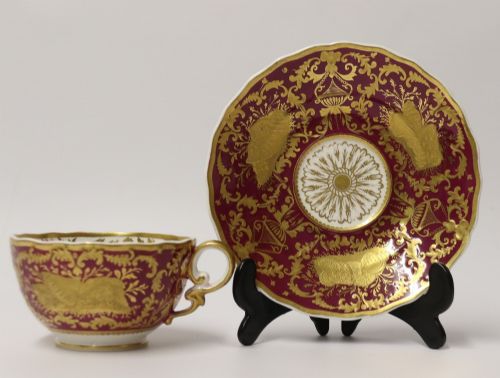
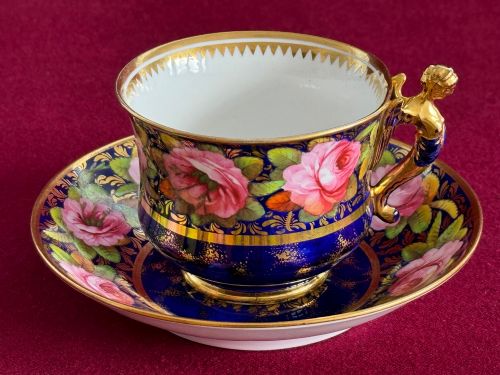
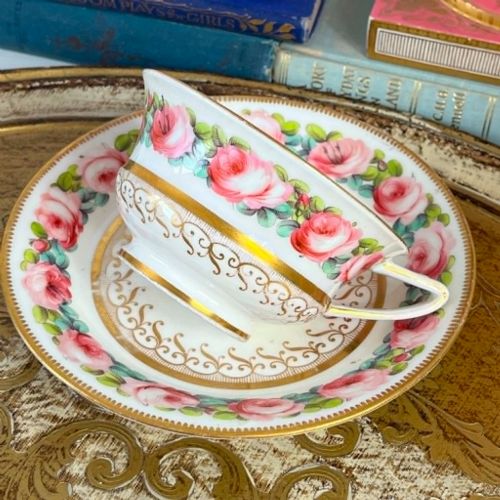
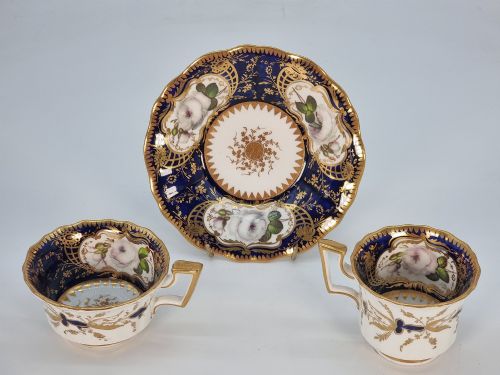
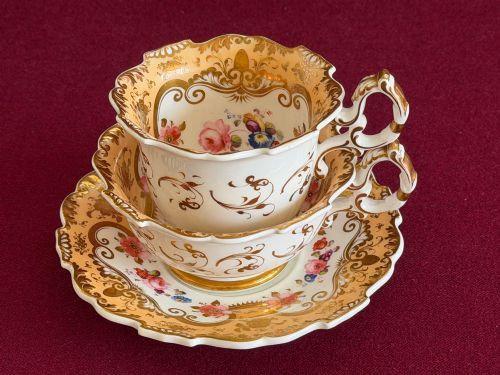
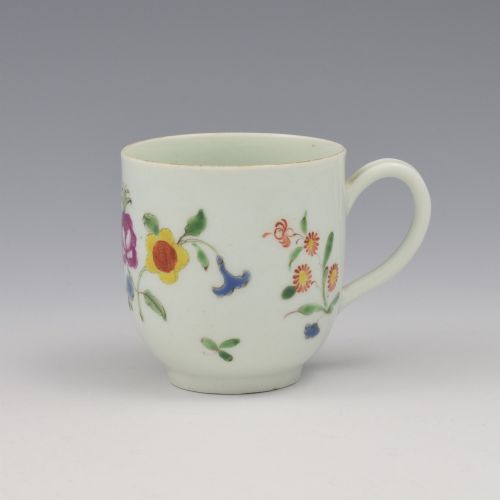
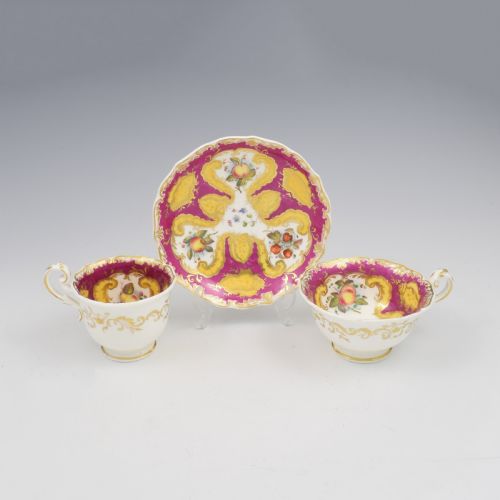
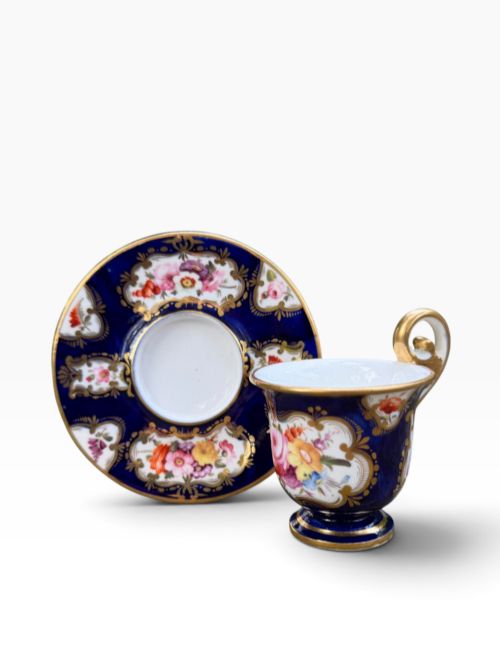
A georgian teacup encompasses delicate tea bowls, handled cups, and matching saucers produced across the eighteenth and nineteenth centuries. These items trace the evolution of British social rituals during the Georgian and Regency periods.
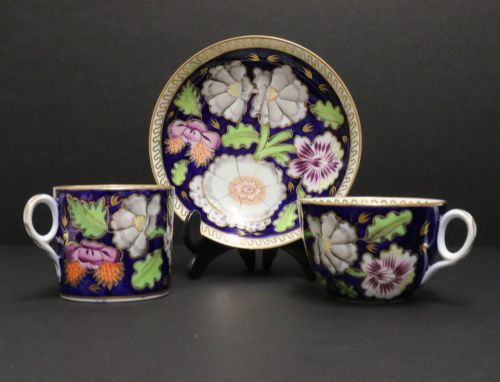
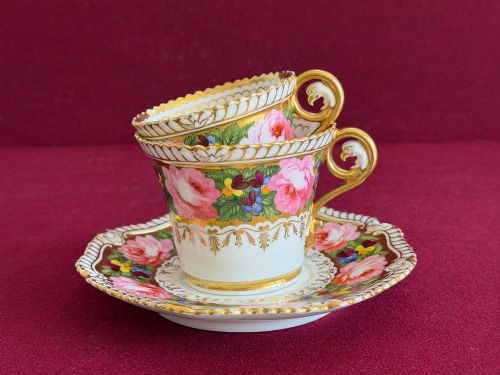
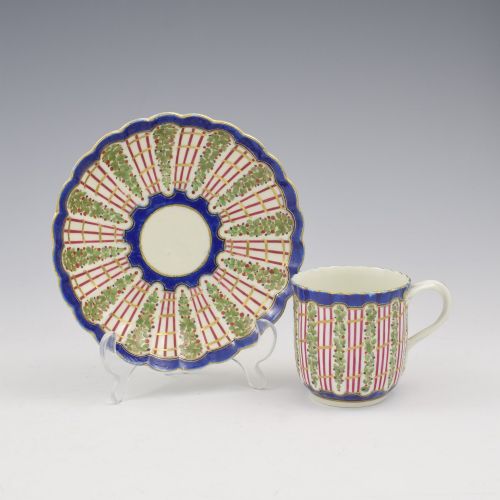
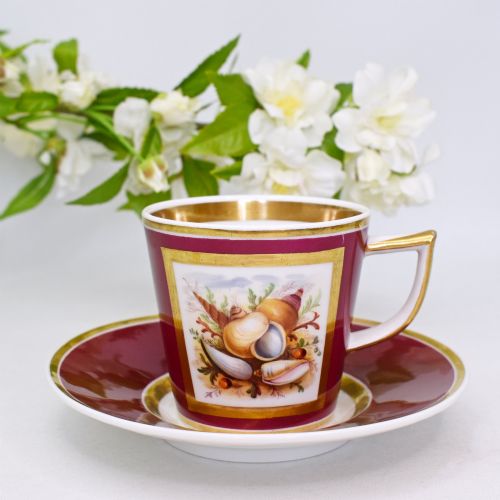
Most entries on this page consist of porcelain and bone china vessels, frequently found as duos or trios alongside coffee cups and saucers. Forms range from fluted eighteenth-century tea bowls to elaborate cabinet trios from the nineteenth century.
Originating from renowned English kilns such as Worcester, Coalport, Derby, and Spode, these pieces reflect distinct stylistic shifts from rococo motifs to bold regency patterns.
How they were made
Potters utilised soft-paste porcelain, bone china, and creamware, shaping them into tea bowls and handled cups on the wheel or in moulds. Early examples often relied on soft-paste porcelain formulations before bone china gained widespread popularity.
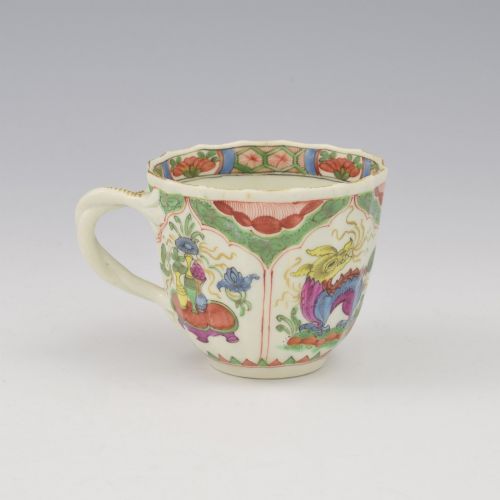
Decoration involved handpainted enamels, gilding with gold leaf, and transfer-printed designs in styles spanning chinoiserie, rococo, and georgian neoclassical. Skilled artisans applied intricate patterns like hop trellis, bird motifs, and floral sprays directly onto the glazed ceramic body.
Georgian Teacup Retail Price Guide 2026
Typical asking prices for georgian teacup among the pieces listed under this phrase on Sellingantiques today, from the lower quarter to the upper quarter. They describe what is for sale here now, not the wider market.
Listings feature porcelain, bone china, and creamware across the Georgian, Regency, and 19th Century periods.
What varies in quality
The standard of execution in handpainted detail and gilding distinguishes the finest examples from standard production wares. Precision in brushwork, particularly on complex pictorial scenes and borders, dictates the standing of an individual piece.
The complexity of the ceramic body and form also plays a role, with fluted surfaces, specialised handles, and matched trios representing higher levels of period craftsmanship.
H and R Daniel·Chamberlain Worcester·Richard Chaffers·New Hall·Coalport·Yates Leeds·Derby·Minton·Flight Barr And Barr·Duesbury And Kean·Spode
The Georgian Teacup Glossary
- Tea bowl
- A handleless vessel used for drinking tea before cups with handles became standard in British ceramics.
- Cabinet trio
- A matched set comprising a teacup, coffee cup, and saucer intended for display rather than everyday use.
- Soft-paste porcelain
- An artificial porcelain composition fired at lower temperatures, commonly utilised by eighteenth-century English factories.
- Gilding
- The application of gold leaf or gold paint to ceramic surfaces for decorative emphasis.
- Chinoiserie
- A decorative style reflecting European interpretations of Chinese artistic traditions.
Georgian Teacup: Frequently Asked Questions
How do I identify a true georgian teacup?
Examination of the paste, glaze characteristics, and potting style helps determine the period. Many pieces feature factory marks or pattern numbers painted or printed on the base.
Stylistic indicators such as eighteenth-century fluting or regency shapes further clarify the date of manufacture.
Were these cups used for daily tea drinking?
Many early pieces served affluent households during formal tea ceremonies. Handleless tea bowls reflect earlier customs, while later trios accommodated both tea and coffee.
Finer cabinet sets were frequently kept on display rather than utilised for regular meals.
Can I use my georgian teacup for tea?
While these ceramics remain structurally sound, centuries-old glazes and delicate handpainted enamels require careful handling. Gentle hand washing preserves the fragile gold leaf and enamel decoration.
Many collectors prefer display or very occasional use to protect the antique material.
What is the difference between a tea bowl and a teacup?
Tea bowls are entirely handleless vessels derived from Chinese porcelain imports, requiring the drinker to hold the rim. Teacups incorporate applied handles for a more secure grip.
Both forms appear across the eighteenth and nineteenth centuries on this page.