

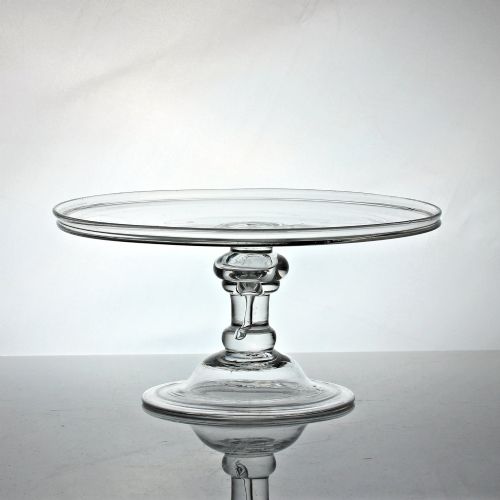
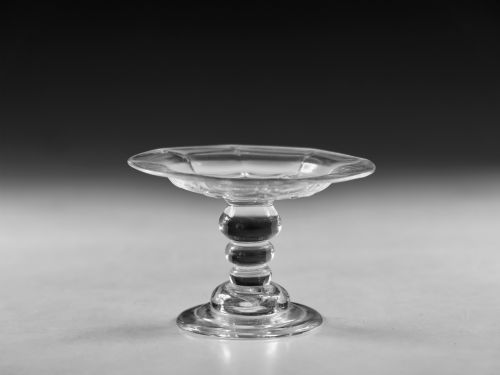
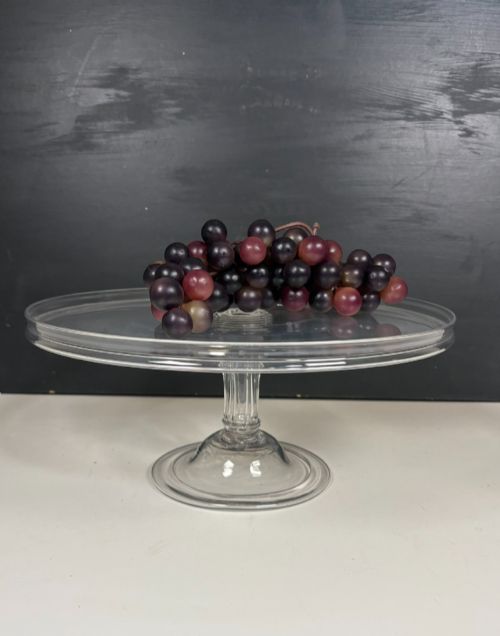
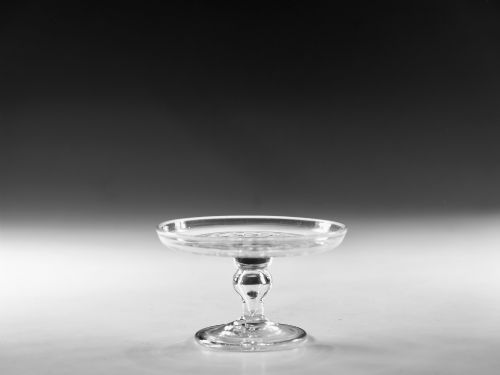


Georgian Sweetmeat Stand
These georgian sweetmeat stand pieces are refined tablewares designed to serve delicate confections, bringing eighteenth-century elegance to a modern room.
Georgian Sweetmeat Stand
A georgian sweetmeat stand encompasses raised serving pieces created during the eighteenth century for confectionery, preserves, and small delicacies. Buyers exploring this phrase encounter diverse forms including tazzas, patch stands, centrepieces, and shell-moulded servers.
The objects seen here date from the mid-eighteenth century up to around eighteen hundred, spanning the Georgian era and the reign of George II. Surviving examples range from small baluster tazzas to larger glass and porcelain pieces designed for prominent display on dining tables.
Materials represented in this group include lead glass, clear glass, flint glass, soft-paste porcelain, and enamel. English workshops produced these items with distinct regional techniques, creating functional serveware that doubled as ornamental table centrepieces.
Materials and methods of manufacture
Makers utilised heavy lead glass and flint glass, shaping pieces through rib-moulding and honeycomb moulding. Many early examples feature triple-knop stems and terraced feet formed while the metal remained hot and pliable.
Porcelain items relied on soft-paste porcelain bodies, shaped into shell centrepieces and sweetmeat stands during the First Period of Worcester production. Enamel details and intricate mouldings added surface texture and visual depth to both glass and ceramic forms.
Georgian Sweetmeat Stand Retail Price Guide 2026
Typical asking prices for georgian sweetmeat stand among the pieces listed under this phrase on Sellingantiques today, from the lower quarter to the upper quarter. They describe what is for sale here now, not the wider market.
Some miniature stands measure barely larger than a modern teacup, designed to hold tiny cosmetic patches for eighteenth-century faces.
Distinctions in quality and execution
Quality rests upon the crispness of the moulding and the clarity of the metal or porcelain body. Pieces exhibiting sharp honeycomb moulding and well-proportioned baluster stems stand apart from simpler utilitarian vessels.
Proportion and balance define the superior examples, where the relation between the foot, stem, and top creates a harmonious silhouette. Surviving pieces with intact feet and minimal wear to the upper surface represent the peak of eighteenth-century craftsmanship.
The Georgian Sweetmeat Stand Glossary
- Tazza
- A shallow saucer or bowl raised on a central foot or stem. This form served sweetmeats and fruits on formal dining tables.
- Patch stand
- A miniature pedestal dish originally used to hold cosmetic beauty patches. These diminutive glass pieces share forms with larger sweetmeat glasses.
- Baluster
- A vertical architectural support with a swelling profile, frequently utilised for drinking glass and tazza stems during the eighteenth century.
- Lead glass
- Glass containing lead oxide, providing high refractive index and weight. English glasshouses popularised this material for improved clarity and brilliance.
- Soft-paste porcelain
- A glassy ceramic composition fired at lower temperatures than hard-paste porcelain. Early Worcester factories utilised this body for moulded shell sweetmeat vessels.
Georgian Sweetmeat Stand: Frequently Asked Questions
What was a sweetmeat stand used for?
These vessels held dry sweetmeats, nuts, comfits, and small preserved fruits served at the conclusion of formal dining. Guests selected delicacies directly from the raised surface.
They functioned as practical tableware while also serving as ornamental centrepieces that demonstrated the host's social standing and taste.
How do I date a Georgian glass tazza?
Dating relies on examining the characteristics of the metal, stem formation, and foot construction. Early eighteenth-century pieces often feature heavy lead glass and baluster stems.
Later examples transition towards lighter metal and simpler profiles, while pontil marks on the underside provide evidence of handmade production techniques.
Are patch stands different from sweetmeat stands?
Patch stands are significantly smaller in scale, originally manufactured to hold small silk cosmetic patches worn on the face. Despite this difference in original function, they share identical manufacturing techniques and glass types with sweetmeat stands.
Collectors frequently group them together due to their similar miniature pedestal forms and eighteenth-century origins.
How should I display a glass tazza?
These pieces require stable placement on level surfaces away from heavy foot traffic or direct vibrational hazards. Adequate spacing allows the clear lead glass or porcelain body to catch natural light.
Keeping them out of direct sunlight prevents thermal stress and preserves the historical material.