



Georgian Style Tray
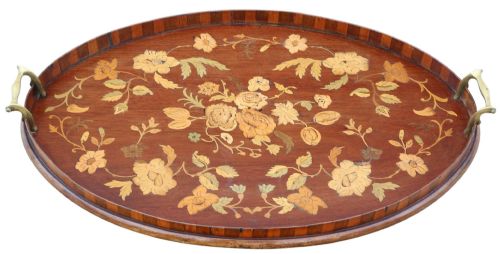
A georgian style tray brings classic mahogany and satinwood craftsmanship into a modern room with timeless elegance and practical surface space.
Georgian Style Tray
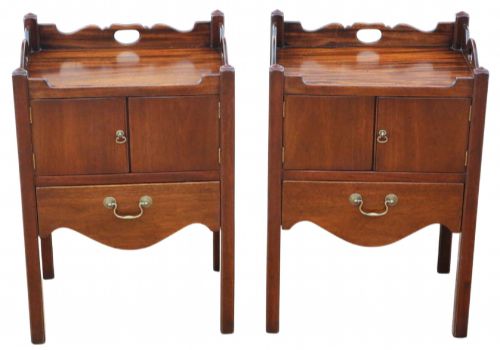
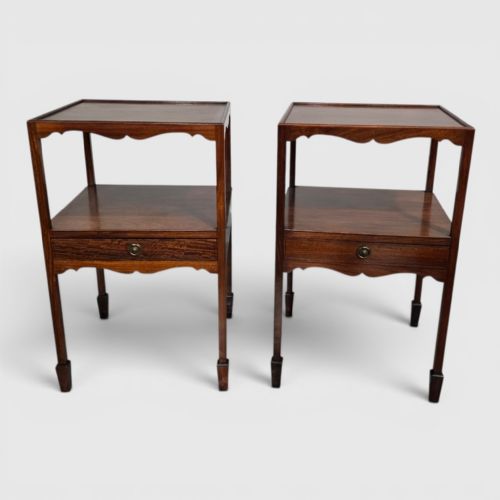
A georgian style tray serves as both a functional serving piece and a decorative tabletop addition, often encountered in mahogany or satinwood finishes. Buyers searching for a georgian style tray will find examples ranging from 18th-century originals to later revival pieces produced during the Edwardian era and the 1920s and 1930s.
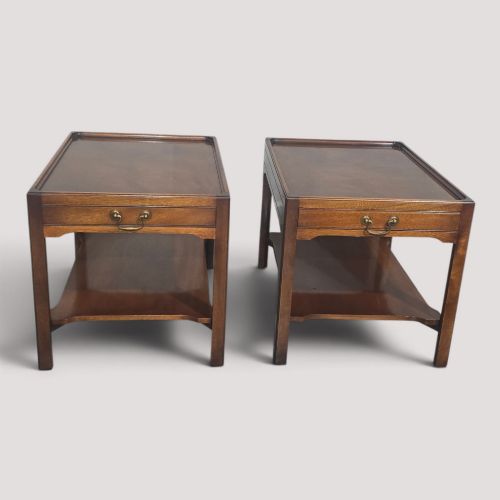
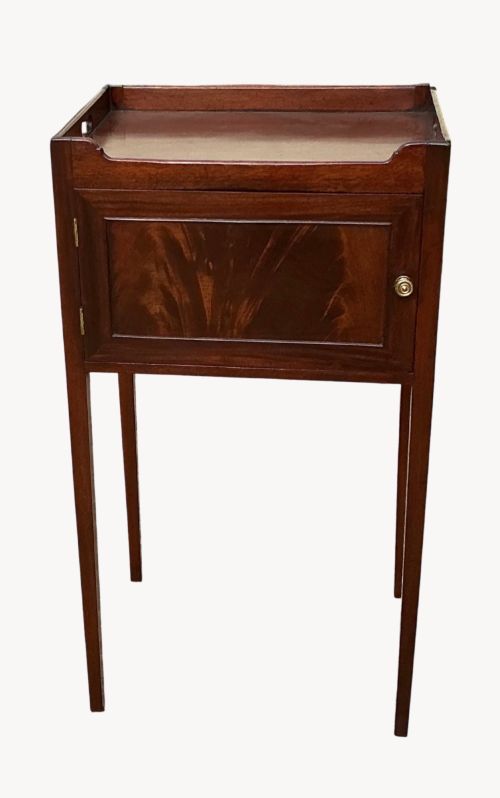
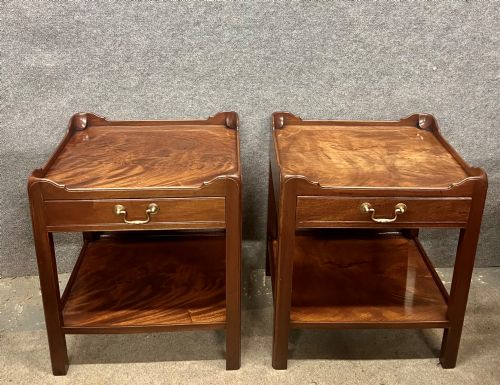
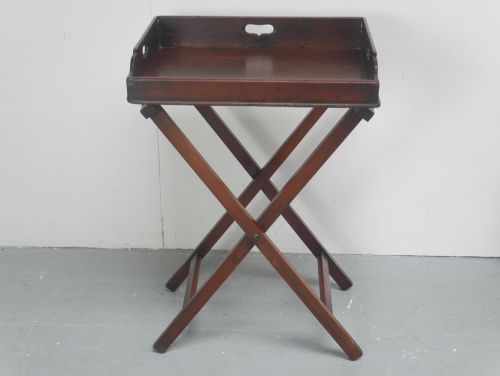
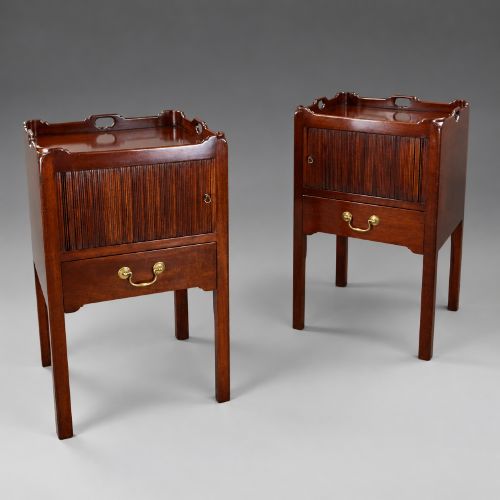
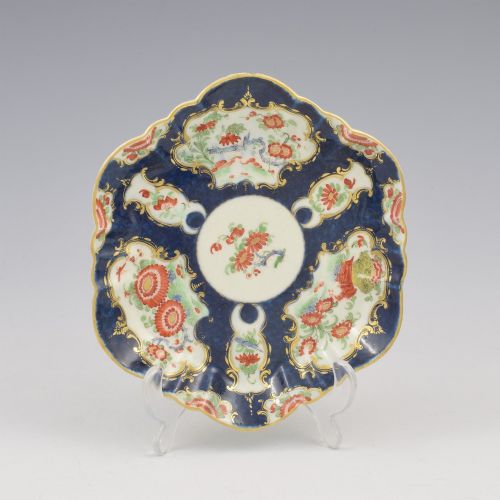
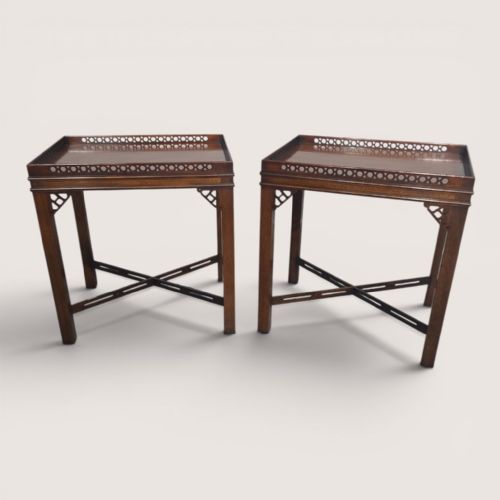
The selection includes folding butlers trays on stands, occasional tray-top tables, and smaller serving dishes that reflect the enduring influence of Chippendale and Sheraton designs. These items bridge formal antique furniture and everyday utility, suiting both traditional and contemporary interiors.
How they were made
Craftsmen utilised solid timbers and veneers, predominantly mahogany, burr walnut, and satinwood, often enhanced with brass handles or subtle inlay work. Woodworking techniques included precise joinery for folding stands and raised gallery edges designed to keep items secure on the tray surface.
Earlier 18th-century pieces relied on hand-carved mahogany details characteristic of the Chippendale period, while subsequent revival iterations from the early 20th century maintained these proportions using period machinery alongside traditional hand-finishing.
The inventory records pieces spanning from 18th-century Georgian origins through Edwardian updates to 1930s revivals, constructed primarily in mahogany and walnut.
What varies in quality
The degree of hand-carving in the wood and the crispness of any inlay work distinguish finer examples from standard production pieces. Superior items display well-figured timber grain, particularly in burr walnut or satinwood sections, and robust structural joinery in the accompanying stands.
Proportion and balance dictate the aesthetic appeal, where well-defined gallery edges and harmonious brass hardware elevate a piece from a utilitarian accessory to a refined focal point.
John Hunt·Gillows
The Georgian Style Tray Glossary
- Tray Top
- A table design featuring a raised rim or gallery around the perimeter of the surface, resembling a serving tray. This prevented items from sliding off during use.
- Chippendale
- A classic 18th-century style named after cabinetmaker Thomas Chippendale, known for rich mahogany tones and carved decorative details. It experienced several revival periods in the 19th and 20th centuries.
- Satinwood
- A durable, yellowish-brown exotic timber with a lustrous sheen, frequently utilised for fine inlay and decorative veneers during the Georgian and Sheraton revival eras.
- Butlers Tray
- A portable wooden tray with hinged or fixed sides, traditionally used for serving and resting on a folding X-frame stand when in use.
Georgian Style Tray: Frequently Asked Questions
How do I use a tray top table?
These versatile tables function well as bedside stands, lamp tables, or compact coffee tables in smaller reception rooms. Their raised edges provide practical security for drinks, books, or decorative objects.
Position them beside an armchair or sofa where surface space is limited yet accessibility remains important.
Are these trays detachable from their stands?
Many traditional butlers trays lift completely off their folding wooden stands for easy carrying and storage. Other occasional tables feature fixed tray tops integrated permanently into the frame.
Checking the specific construction reveals whether the top was designed to lift away or remain stationary.
What is the difference between Georgian and revival pieces?
Authentic Georgian pieces date from the 18th century during the reigns of the Georges, exhibiting period-specific timber patination and hand tools. Revival pieces were manufactured later, notably during the Edwardian period and the 1930s, copying those classic proportions.
Both categories hold distinct appeal depending on whether one prefers absolute age or early twentieth-century interpretations.
How do I care for mahogany and satinwood surfaces?
Regular dusting with a soft, dry cloth preserves the natural lustre of polished wood without building up residue. Avoid placing wooden trays in direct sunlight or near heat sources to prevent timber movement.
Applying a quality beeswax periodically nourishes the grain and maintains the traditional finish.