



Georgian Style Silverware
Georgian style silverware brings the graceful forms of the eighteenth century into later dining rooms through revival pieces and fitted storage cabinets.
Georgian Style Silverware
When you search for georgian style silverware, you encounter revival tableware and storage chests produced from the late Victorian era through the interwar years. These items emulate earlier eighteenth-century designs, offering the aesthetic of the Georgian and Queen Anne periods without the original antiquity.
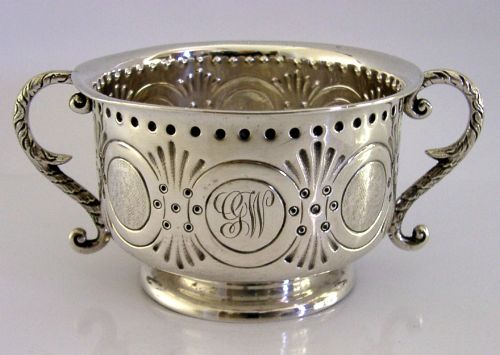
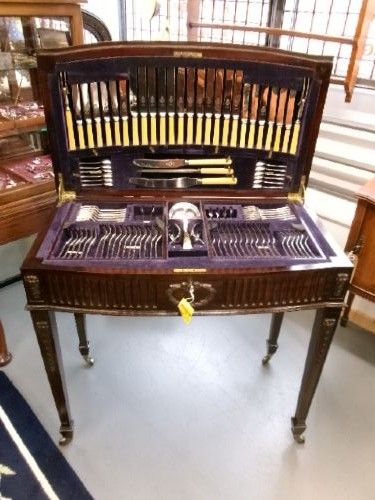
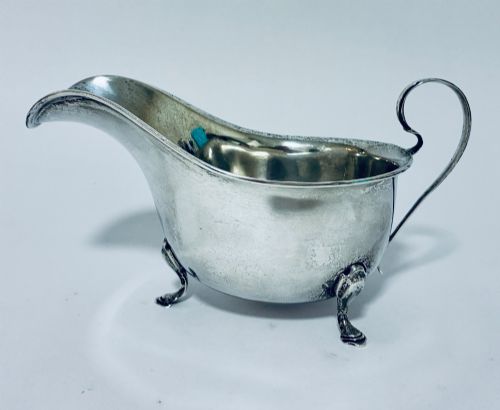
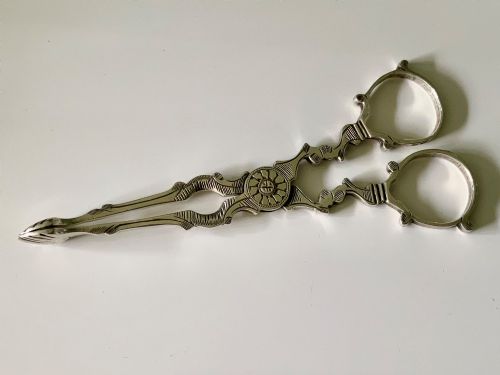
The objects on this page include sterling silver sauce boats, sugar casters, porringers, and sugar tongs alongside fitted mahogany cutlery cabinets and chests. Most pieces date from around 1890 to 1930, capturing the revival tastes of the Edwardian and Neo-Georgian periods.
Materials and construction
The metalwork relies on solid sterling silver and silver plate, shaped into traditional dining accessories such as sauce boats and casters. Makers utilised stamping, casting, and hand-finishing techniques to replicate eighteenth-century profiles.
Storage pieces are constructed from solid and veneered mahogany, often lined with velvet or felt to protect the silver within. These cabinets and canteens house complete sets of cutlery, combining fine cabinetmaking with functional metal storage.
Georgian Style Silverware Retail Price Guide 2026
Typical asking prices for georgian style silverware among the pieces listed under this phrase on Sellingantiques today, from the lower quarter to the upper quarter. They describe what is for sale here now, not the wider market.
Listings on this site feature sterling silver and silver plate combined with mahogany, brass, velvet, and felt.
Assessing the workmanship
Quality in these revival pieces rests upon the weight of the silver and the crispness of the chased or cast ornamentation. Heavier gauge silver and sharply defined detailing distinguish finer tableware from lighter, simpler productions.
For storage chests and canteens, the grade of the mahogany timber and the construction of the interior linings dictate the standard. Well-joined cabinetry with intact velvet or felt interiors represents the superior end of the maker's output.
Asprey·The Barker Brothers·Walker & Hall
The Georgian Style Silverware Glossary
- Porringer
- A small, two-handled bowl used historically for broths or porage. Revival examples in silver follow seventeenth and eighteenth-century shapes.
- Sauce boat
- An open vessel with a lip and handle for serving gravies and sauces. These pieces usually stand upon three small feet in revival silver.
- Sugar caster
- A perforated jar used for dusting sugar over food. They feature removable pierced lids for dispensing the contents.
- Canteen
- A fitted box, chest, or cabinet designed to hold a set of cutlery securely. These are typically made from mahogany and lined with textile.
- Sterling silver
- An alloy consisting of pure silver and other metals, usually copper, to increase durability. Items made to this standard often carry traditional hallmarks.
Georgian Style Silverware: Frequently Asked Questions
What is georgian style silverware?
These are decorative and functional dining items produced in the late nineteenth and early twentieth centuries that imitate eighteenth-century designs.
They offer the classical aesthetics of the Georgian and Queen Anne eras while using manufacturing techniques from later decades.
How do I date these silver items?
Dating relies on maker's marks, hallmarks, and style indicators found stamped into the silver components. Many pieces carry date letters and city assay marks that reveal the exact year of production.
Cabinetry can be dated through timber characteristics, hardware, and maker plaques.
Were cutlery cabinets sold empty?
Mahogany cutlery chests and canteens were typically manufactured to house specific sets of dining implements. Some survive with their original fitted interiors designed to protect individual pieces.
Storage chests may also be found as standalone furniture pieces housing fitted drawers.
How do I care for silver plate?
Silver-plated items require gentle cleaning with non-abrasive polishes specifically formulated for silver surfaces. Regular maintenance prevents tarnish build-up without wearing away the underlying plate.
Store pieces in dry environments away from direct sunlight to preserve both the metal and any textile linings.