



Georgian Style Portraiture
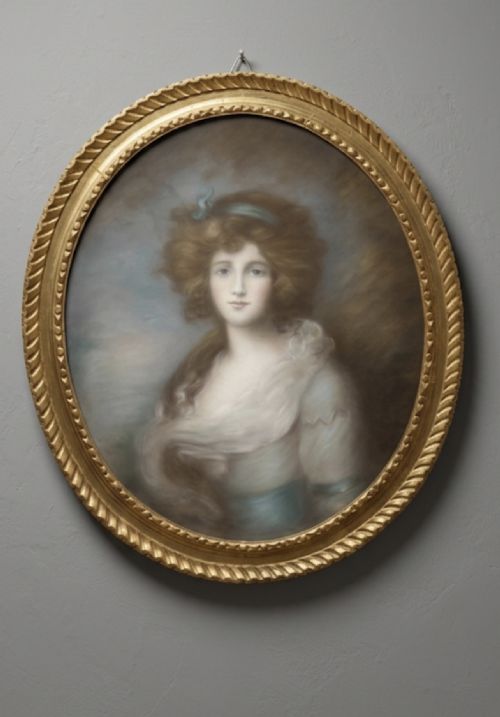
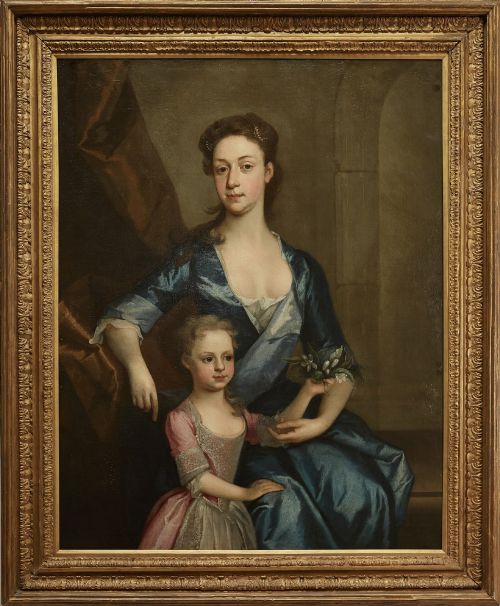
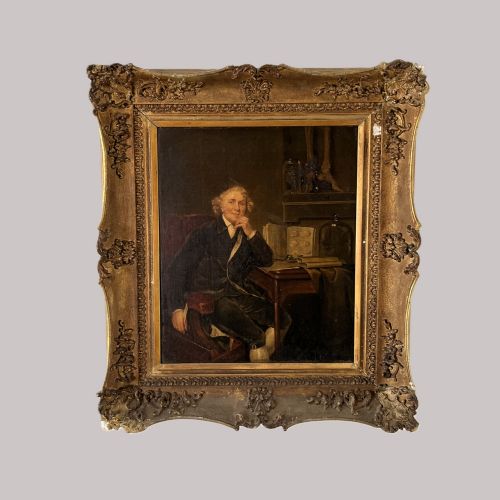
Georgian style portraiture encompasses oil paintings and pastels depicting sitters from the eighteenth and nineteenth centuries.
Georgian Style Portraiture
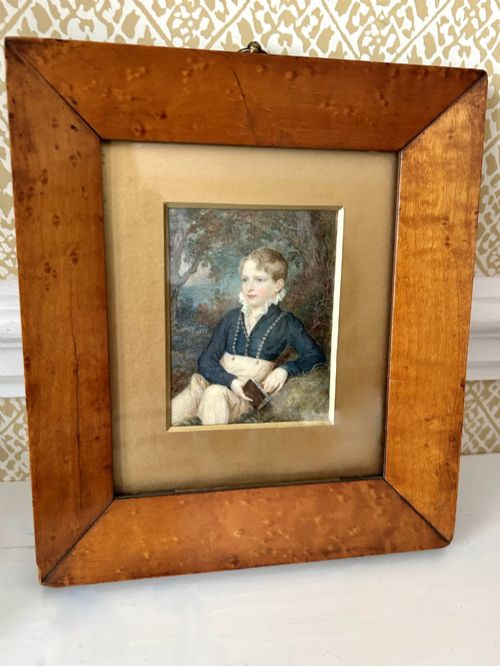
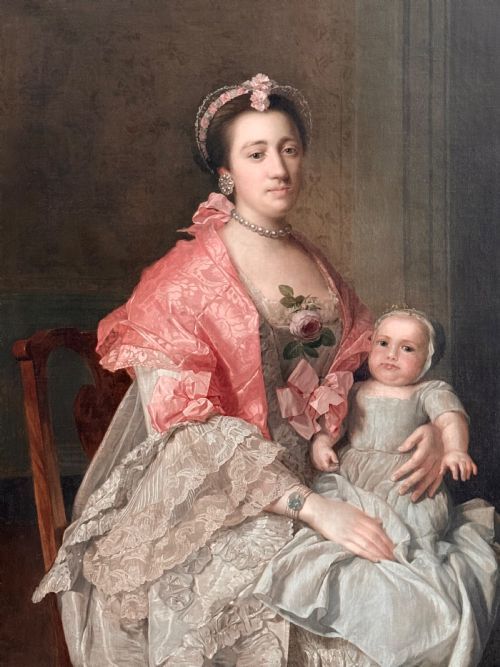
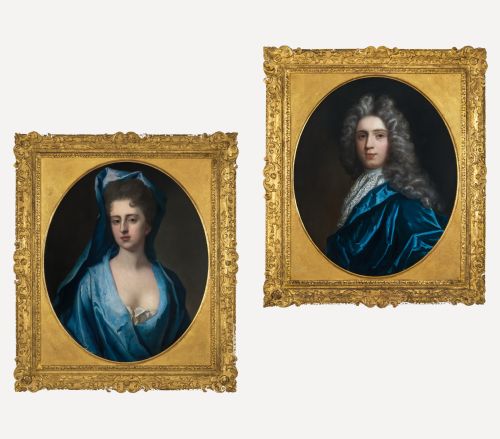
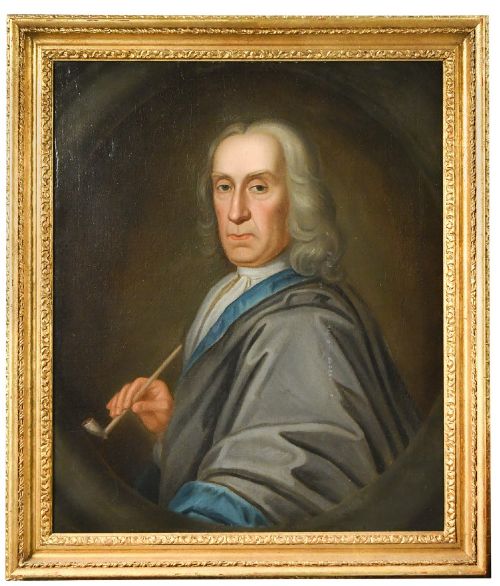
Georgian style portraiture comprises oil paintings on canvas and pastel works on paper capturing gentlemen, ladies, and children. These artworks span the eighteenth century, the nineteenth century, and the year 1700, reflecting the aesthetic values of Georgian and Victorian periods.
Buyers encounter original works by period artists alongside later interpretations and works created in the manner of established painters. The subjects include named figures such as Eliza Lindley and John Hunter alongside anonymous sitters rendered by English and European schools.
How they were made
Framing frequently involved giltwood and gesso over wood, providing ornate borders that complemented the visual weight of the paintings. Masteries of proportion and drapery defined the construction of both the primary images and their protective housings.
Georgian Style Portraiture Retail Price Guide 2026
Typical asking prices for georgian style portraiture among the pieces listed under this phrase on Sellingantiques today, from the lower quarter to the upper quarter. They describe what is for sale here now, not the wider market.
Listings feature oil on canvas and pastel on paper within giltwood and gesso frames, spanning the eighteenth and nineteenth centuries.
What varies in quality
Quality rests upon the precision of the draughtsmanship and the fluidity of brushwork or pastel application in rendering the sitter's likeness and textiles. Superior examples demonstrate attentive handling of facial expression and fabric textures like silk and lace.
The sophistication of the accompanying giltwood frame and the preservation of the original canvas or paper surface influence the overall standard. Works produced by the hand of a recognised master or a close contemporary circle command greater regard than later derivative copies.
Sir Allan Ramsay·Thomas Gainsborough·Joseph Highmore·Sir Thomas Lawrence·Enoch Seeman·George Romney·Robert Byng·Philip Mercier
The Georgian Style Portraiture Glossary
- Giltwood
- Wood carved and coated with gold leaf or a gold-coloured finish. This material formed the decorative frames typical of the period.
- Gesso
- A plaster-like mixture applied to wood frames before gilding. It provided a smooth base for intricate mouldings and ornamentation.
- Pastel
- A dry medium composed of powdered pigment and a binder. Artists used pastel on paper to achieve delicate portraits with soft colour blending.
- Canvas
- Heavy woven fabric stretched across a wooden frame as a support for oil paint. It served as the primary medium for formal portraiture.
- Baroque
- An ornate artistic style characterised by dramatic movement and deep shadow. This aesthetic influenced European portrait composition before the strict Georgian era.
Georgian Style Portraiture: Frequently Asked Questions
What subjects appear in these portraits?
Sitters include named historical figures, children, and elegant ladies or gentlemen depicted in formal attire. Many works record specific individuals such as John Hunter or Julia Peel.
Other canvases present anonymous subjects identified simply as members of the English or European school.
How do pastels differ from oils here?
Pastel works utilise dry pigment on paper to create soft, matte surfaces with delicate tonal gradations. These pieces typically require protective glass framing.
Oil paintings employ pigment suspended in medium on canvas, offering richer textures and greater durability over centuries.
Where were these portraits displayed?
Original owners hung these paintings in the reception rooms, galleries, and private chambers of substantial town houses and country estates. They served to project family lineage and social standing.
Today, collectors place them in period interiors or mix them with contemporary decor to anchor a room with historical presence.
How are original and later works distinguished?
Period pieces carry the materials, canvas weaves, and stretcher construction consistent with eighteenth or early nineteenth-century workshops. Attribution to specific circles or schools rests upon stylistic comparison.
Later interpretations created during the Victorian era or subsequent periods often employ different framing conventions or pigment analysis.