

Georgian Style Portrait Artwork
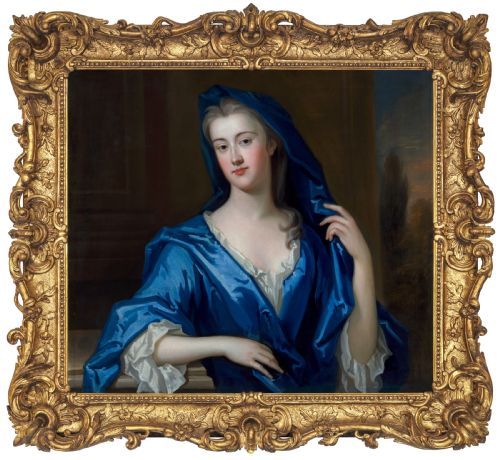
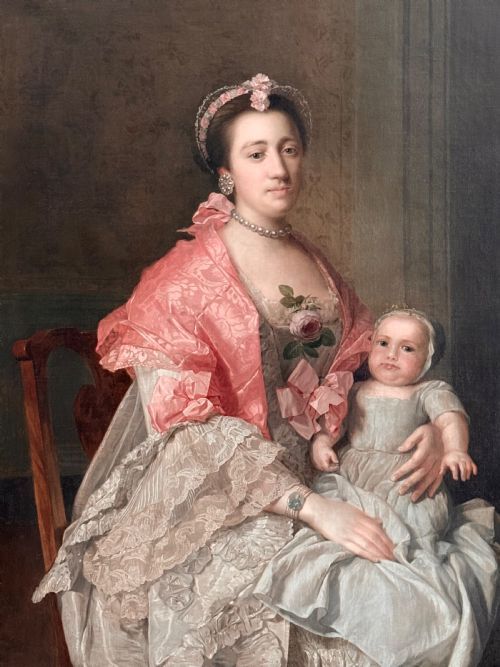
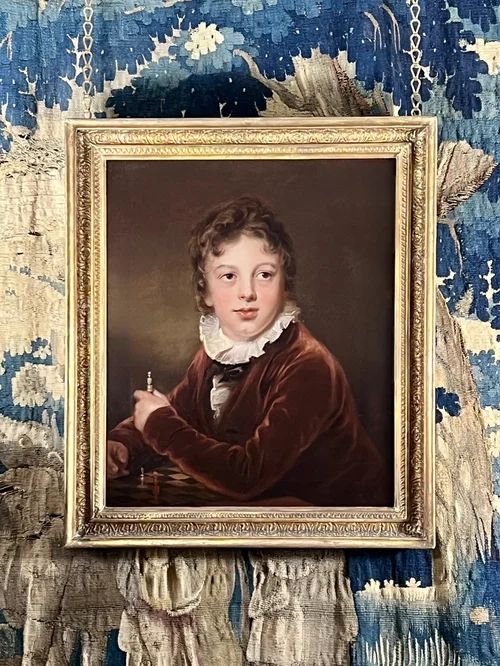
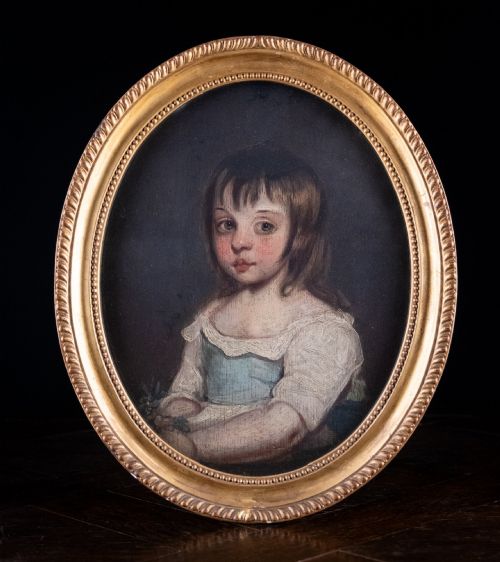
Georgian style portrait artwork brings historic faces and classical dignity into a room, offering everything from grand oils on canvas to intimate watercolour paintings and fine prints.
Georgian Style Portrait Artwork
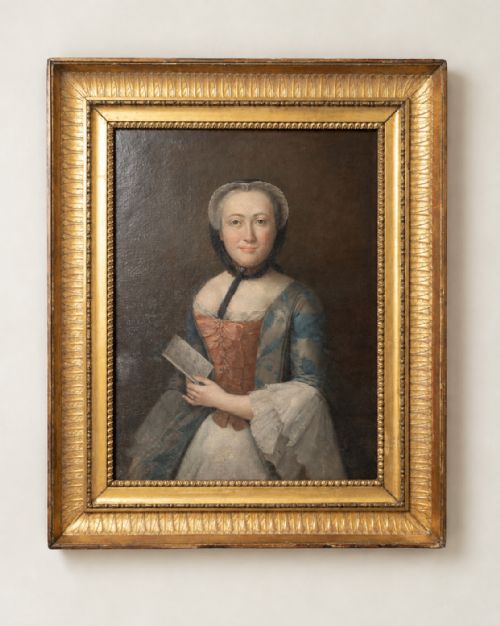
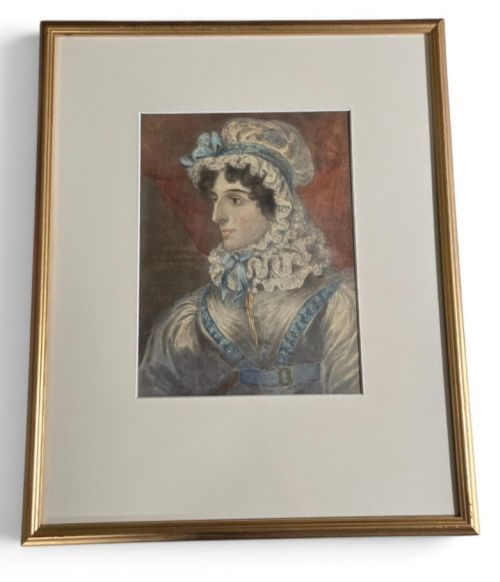
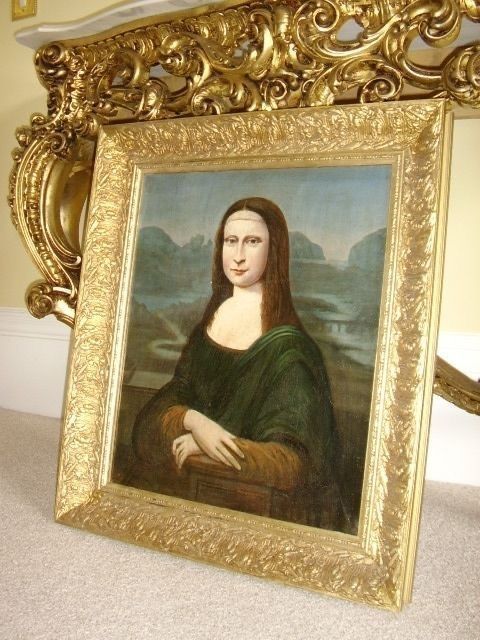
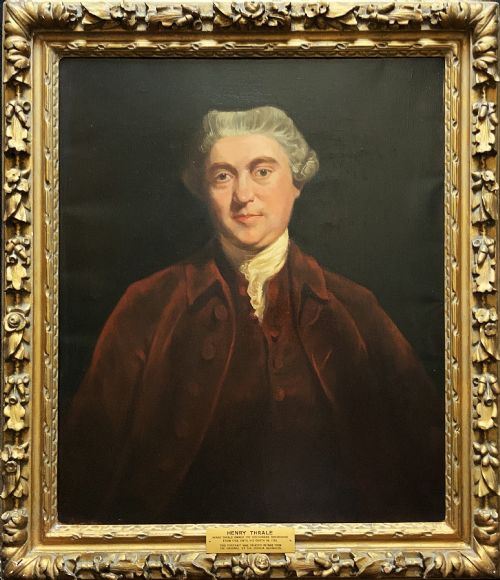
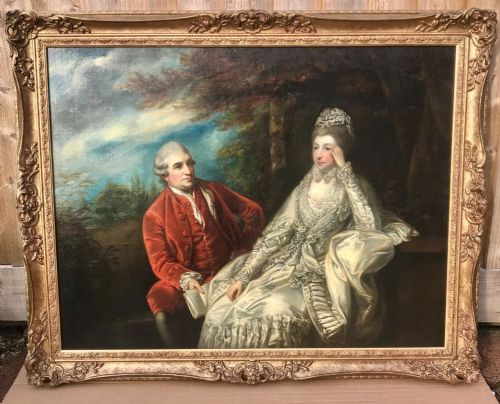
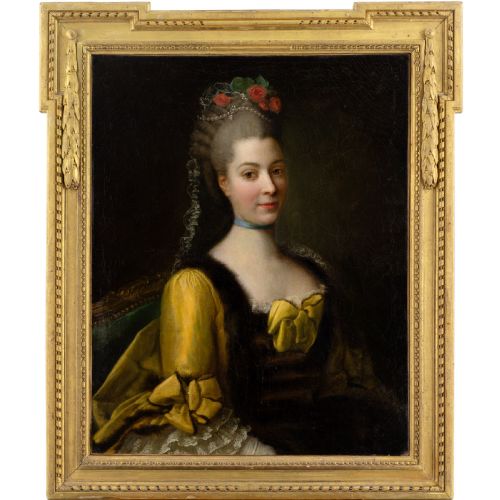
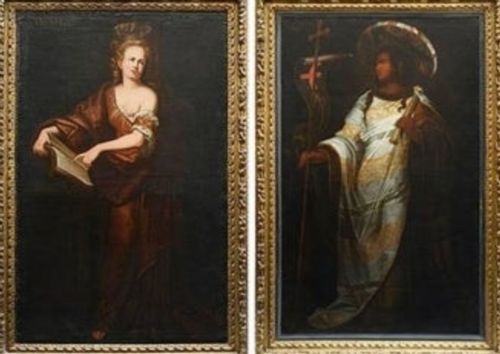
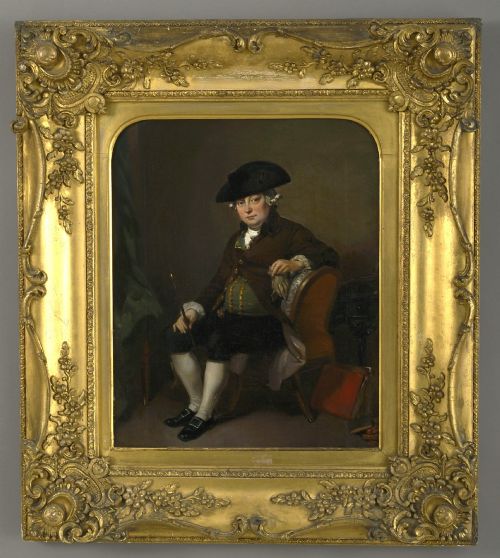
Georgian style portrait artwork captures the elegance of the eighteenth and nineteenth centuries through depictions of ladies, gentlemen, children and historical figures. These pieces range from authentic eighteenth-century oil paintings and Regency watercolours to later revivals and commemorative prints.
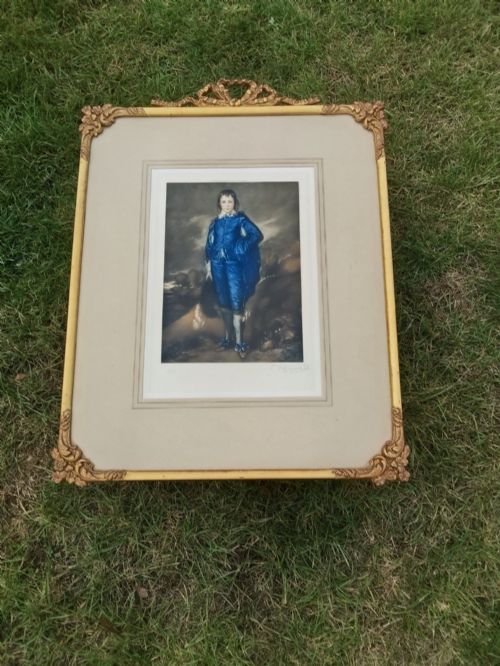
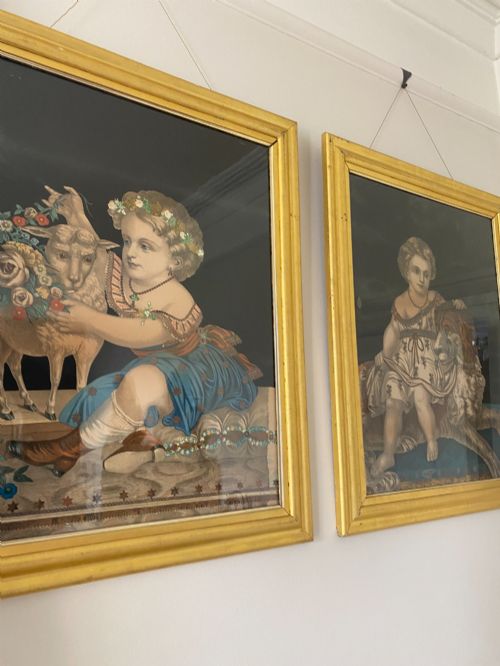
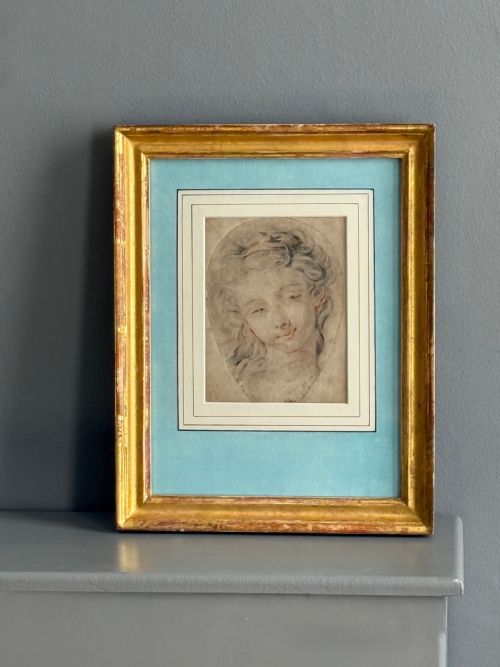
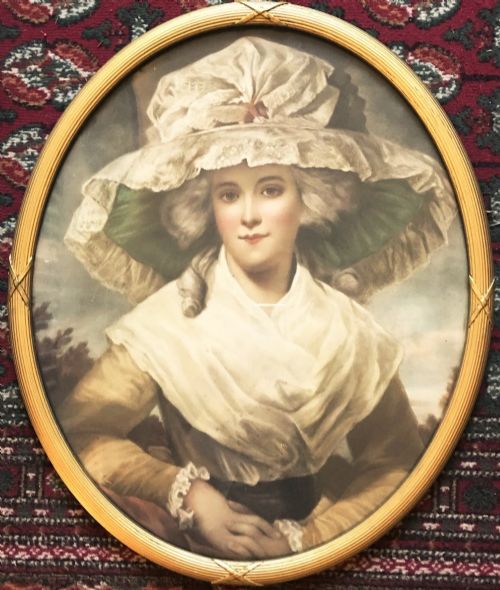
Buyers will encounter various formats including framed oils on canvas, delicate pencil and watercolour works, hand-coloured engravings and silhouette conversation pieces. Many works reflect the visual language of established periods, featuring subjects in characteristic attire such as bonnets, hats and formal dress.
The selection includes original period works alongside studio pieces, follower examples and later interpretations after notable masters. This variety allows collectors to find both grand decorative canvases and smaller framed prints suited to different domestic spaces.
How they were made
Framing played an integral part in the presentation of these works, with period examples mounted in giltwood, wood or Hogarth frames under glass. Engravings and artist proof mezzotints relied on precise plate printing techniques finished with hand-colouring.
Georgian Style Portrait Artwork Retail Price Guide 2026
Typical asking prices for georgian style portrait artwork among the pieces listed under this phrase on Sellingantiques today, from the lower quarter to the upper quarter. They describe what is for sale here now, not the wider market.
Materials recorded across the selection include oil on canvas, giltwood, watercolour, pencil and paper.
What varies in quality
Quality rests in the precision of the brushwork and the psychological depth of the sitter's expression. Masterful handling of light, shadow and fabric textures separates finer studio paintings from simpler decorative works.
The pedigree of the piece influences its standing, with works created within the circle of renowned artists carrying distinct artistic weight. Preservation of the original canvas, paper integrity and the authenticity of the surrounding period frame further distinguish exceptional examples.
Sir Joshua Reynolds·Samuel De Wilde·Sir Thomas Lawrence·Allan Ramsay·Joseph Highmore·George Romney·Nicolas De Largillière·William Egley·Michael Dahl·Thomas Gainsborough·Joseph Wright of Derby·Louis Léopold Boilly·Enoch Seeman
The Georgian Style Portrait Artwork Glossary
- Mezzotint
- An engraving technique on copper where the surface is roughened to produce rich tones and subtle gradations of light. This method was widely used for translating oil paintings into popular prints.
- Silhouette
- A solid outline portrait, typically filled in with black ink or cut from paper, often depicting profiles of individuals. These intimate likenesses gained immense popularity during the eighteenth and nineteenth centuries.
- Conversation piece
- An informal group portrait depicting family members or friends engaged in polite interaction within a domestic or landscape setting. These artworks often tell a specific narrative about the sitters' lives.
- Artist proof
- An impression of a print taken before the final edition is produced, typically retained by the artist or printmaker for quality review. These early pulls are valued for their exceptional clarity and sharpness.
- Giltwood
- Wood carved and coated with a fine layer of gold leaf, creating a luminous decorative surface. This material was standard for framing high-status portraits throughout the Georgian and Regency eras.
Georgian Style Portrait Artwork: Frequently Asked Questions
What is a Georgian style portrait artwork?
These pieces are paintings, watercolours and prints that capture the aesthetic, clothing and portraiture styles of the eighteenth and early nineteenth centuries. They depict real individuals or character studies created during the period or in subsequent revival eras.
Buyers choose them to introduce historical character and refined classical composition into traditional or contemporary interiors.
How do I distinguish an original oil from a print?
Original oil paintings feature visible brush texture, layered pigments and the distinct weave of a canvas or the grain of a wood panel underneath. Prints and engravings present a flat surface under magnification, often showing plate marks or dot patterns from the printing process.
Examining the piece under natural light helps reveal the tactile qualities unique to painted works.
Where were these portraits displayed historically?
Georgian and Regency portraits hung prominently in the reception rooms, libraries and grand staircases of country houses and town residences. They served to display family lineage, social standing, artistic taste and personal alliances.
Today, they adapt easily to living rooms, studies and hallways as focal points of historic charm.
What does after an artist mean?
This designation indicates that the work is a later painting or print executed in the manner of, or copied directly from, a well-known master by another hand, a studio member or a follower. These pieces allowed patrons to enjoy the composition and style of famous works without acquiring an original primary painting.
Such artworks form a rich category of historic visual culture in their own right.