




Georgian Style Frame
A georgian style frame brings classical eighteenth-century symmetry and rich carved timber or gilt surfaces into domestic interiors.
Georgian Style Frame
A georgian style frame encompasses decorative surrounds designed for mirrors, oil paintings, and portraits, alongside the wooden structures framing library armchairs, stools, and side tables. These pieces draw on eighteenth-century design principles, spanning genuine period examples from the Georgian and Regency eras as well as later revivals from the nineteenth and early twentieth centuries.
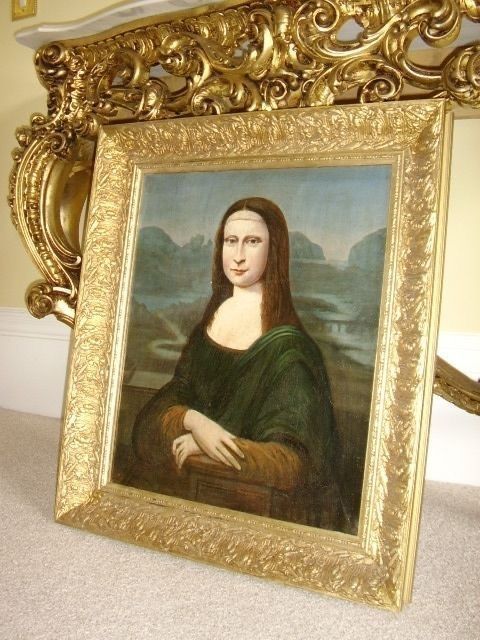
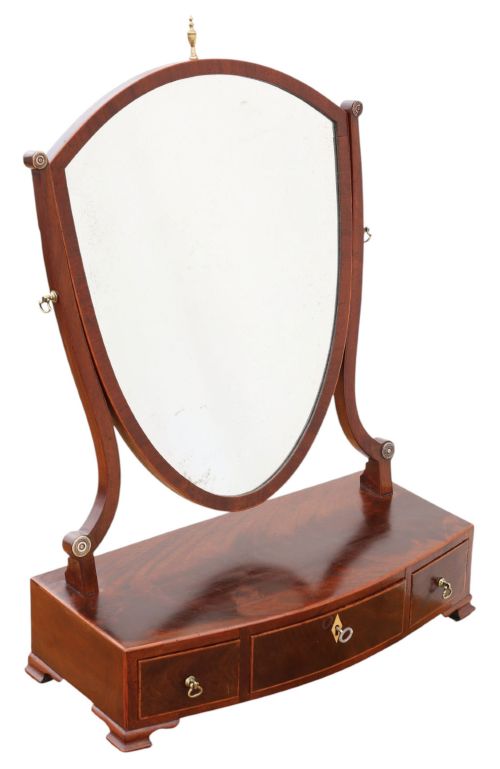
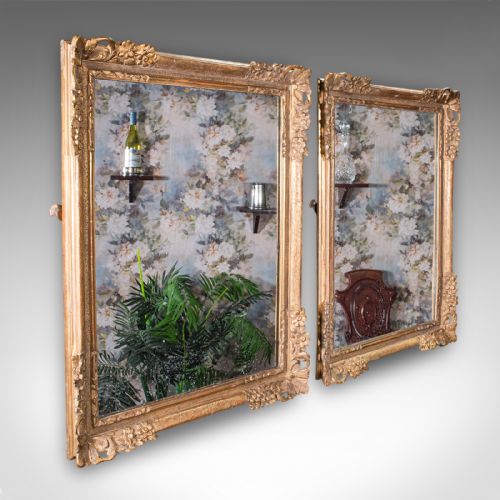
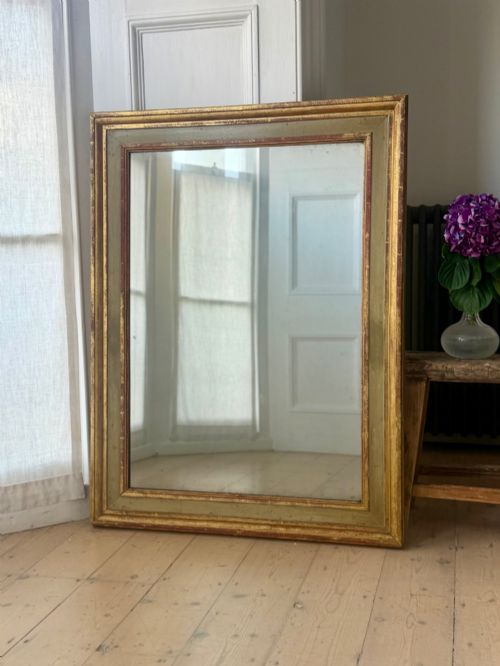
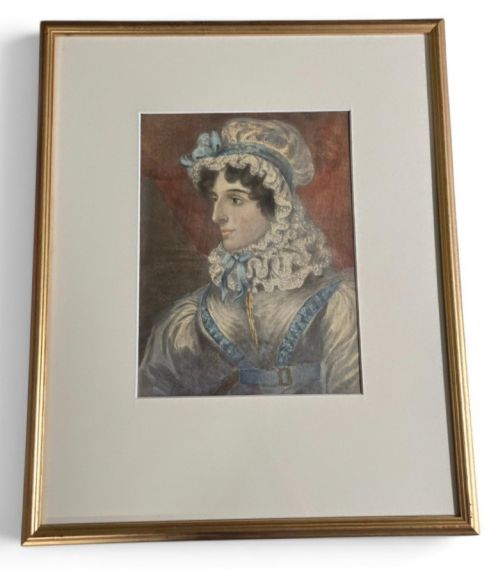
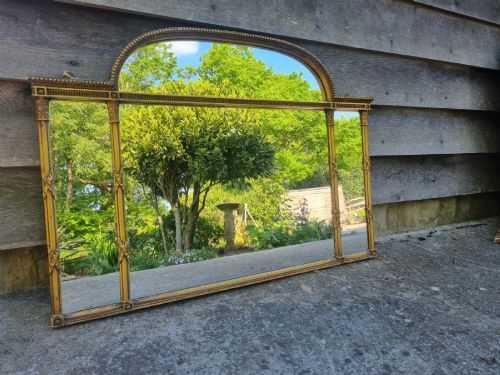
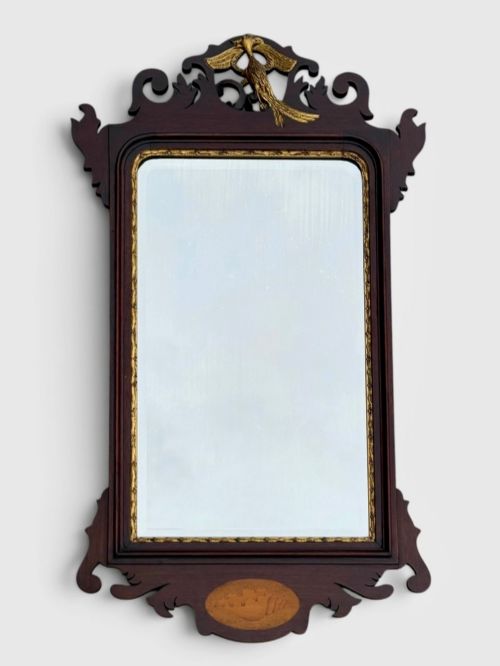
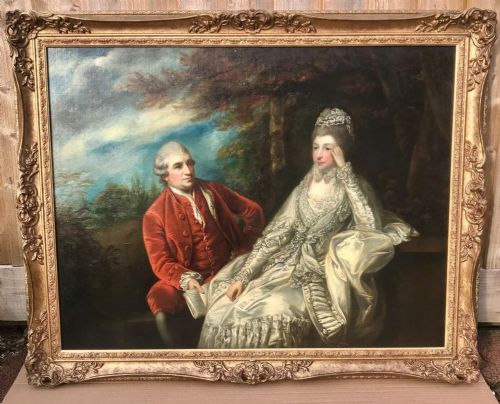
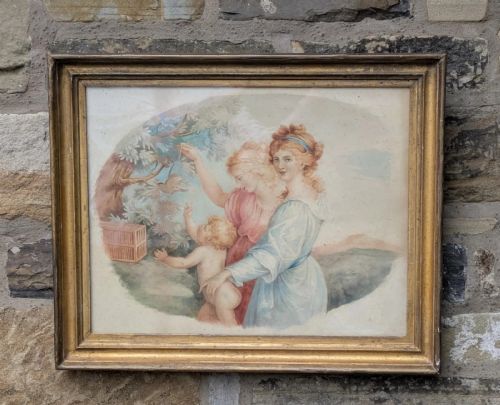
Mirrors form a prominent category, featuring carved fretwork silhouettes, giltwood finishes, and architectural pediments reminiscent of William Kent or Thomas Chippendale. Alongside these hang oil portraits on canvas and watercolor works, each bound within timber or gilded mouldings.
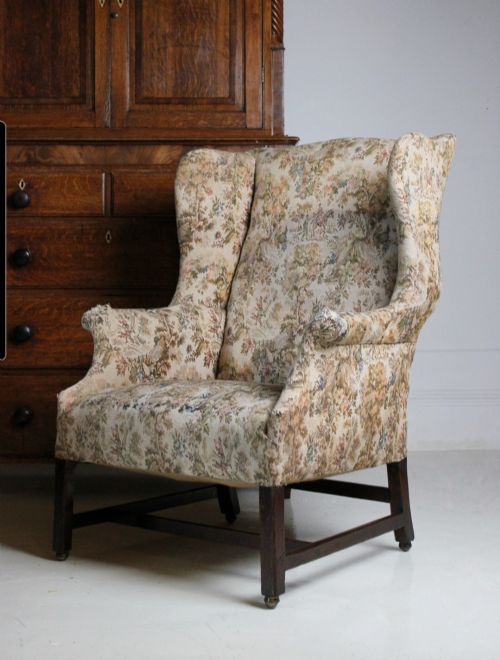
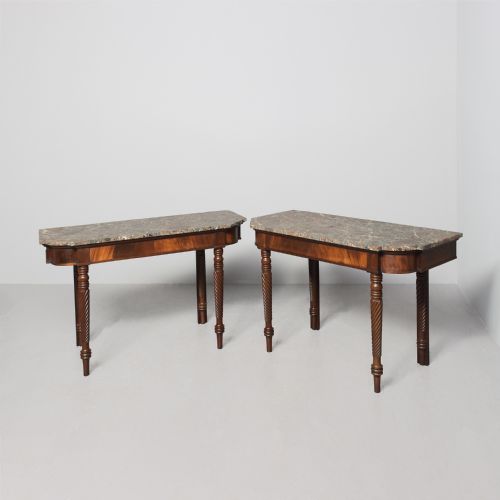
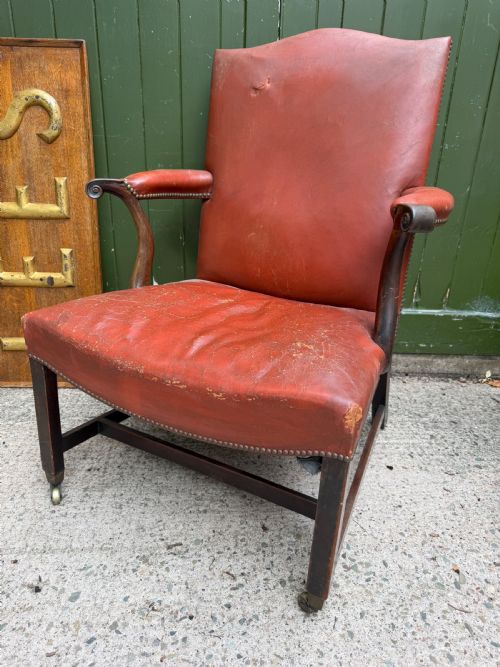
Furniture pieces also utilise the aesthetic, particularly mahogany library armchairs, footstools upholstered in leather or hide, and side tables that translate eighteenth-century proportions into later domestic settings.
Materials and construction
Makers relied primarily on timber, utilising dense mahogany, walnut, and plain wood beneath decorative treatments. Carved gesso and giltwood provided the luminous, reflective surfaces seen on wall mirrors and overmantels.
Interiors and seating integrated tactile elements such as oil on canvas, brass hardware, and red or burgundy leather and hide upholstery. Glass components included mercury glass panes within antique mirror plates.
Listings feature items spanning the eighteenth, nineteenth, and early twentieth centuries, constructed from mahogany, giltwood, gesso, and oil on canvas.
Assessing craftsmanship and finish
Distinctions in quality rest upon the crispness of carved details, such as the precision in fret-cut mahogany or the depth and hand-application of gesso beneath the gilding. Superior examples display harmonious proportions and integration between the frame and the canvas or mirror plate it encloses.
The choice and treatment of timber significantly influence the character of the piece, with well-figured mahogany and authentic patination marking out finer workshop output from simpler commercial production.
Miles & Edwards·Jeremiah Davison·Charles D Agar·John Wootton·Thomas Hudson·Sir Joshua Reynolds
The Georgian Style Frame Glossary
- Giltwood
- Wood that has been coated with gold leaf or a gold-coloured finish. This technique gives mirrors and decorative frames their bright, reflective appearance.
- Gesso
- A plaster-like mixture applied to wood as a base for carving and gilding. Artisans built up layers of gesso before applying gold leaf.
- Mercury glass
- A double-walled glass blown in the nineteenth century with a silver liquid mercury mixture sealed inside. It creates a distinctive mottled, foxed reflection.
- Fretwork
- Openwork ornamentation cut with a fretsaw, frequently seen on the flat wooden borders of eighteenth-century mirrors. This decorative technique added delicate geometric or pictorial patterns.
- Overmantel mirror
- A large mirror designed to hang above a fireplace mantel. These pieces often incorporate classical architectural motifs and Regency giltwood frames.
Georgian Style Frame: Frequently Asked Questions
How do I identify a genuine period frame?
Examine the construction methods, timber patination, and backing materials used behind the canvas or mirror plate. Older pieces often show hand-tool marks and period-specific joinery.
Compare the decorative motifs against known eighteenth-century design books to verify whether the piece dates to the Georgian era or represents a later revival.
Where should I hang a giltwood mirror?
Giltwood mirrors perform best on interior walls where they can capture and reflect natural light from windows. Placing one above a fireplace creates a traditional focal point.
Ensure the wall structure can support the weight, particularly with large overmantel mirrors and heavily carved wooden frames.
How do I care for leather upholstery?
Maintain red and burgundy hide upholstery by keeping it away from direct sunlight and heat sources that dry out the material. Regular dusting prevents particle buildup.
Apply specialised leather balms sparingly to preserve suppleness and prevent cracking across buttoned surfaces and armchairs.
What is the difference between Georgian and Regency styles?
Georgian design encompasses the architectural and decorative shifts from the reigns of the first four Georges, favouring robust mahogany and intricate carving. Regency style reflects a later, more archaeological neoclassical influence.
Regency pieces frequently incorporate bolder giltwood finishes, convex mirror plates, and cleaner classical lines derived from Roman and Greek precedents.