

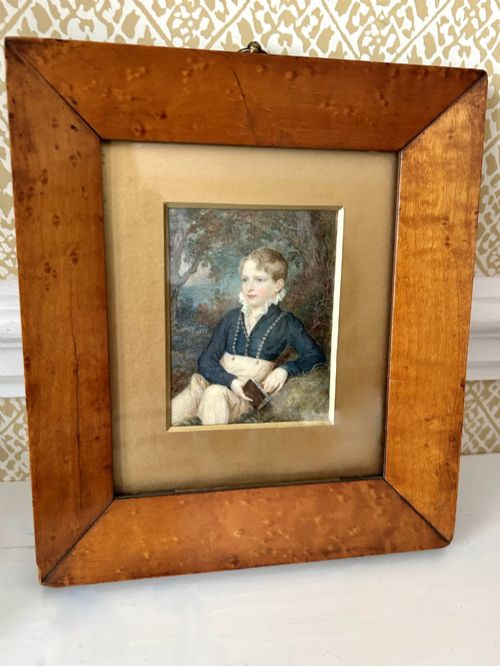
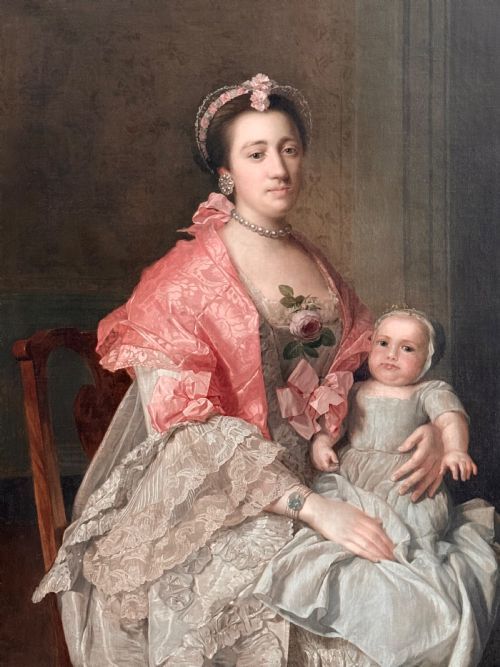
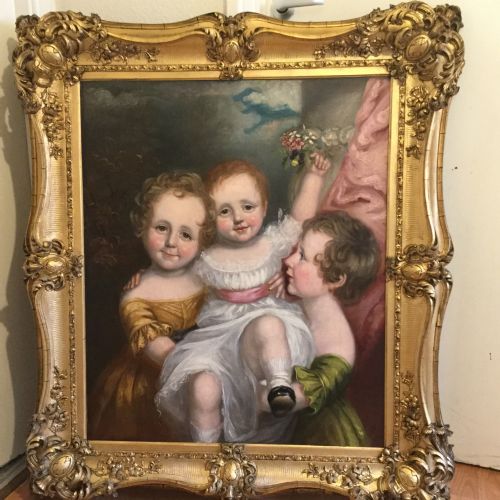
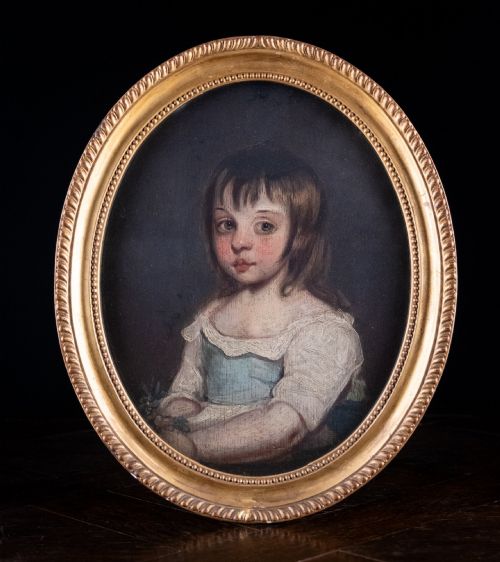



Georgian Style Child Portrait
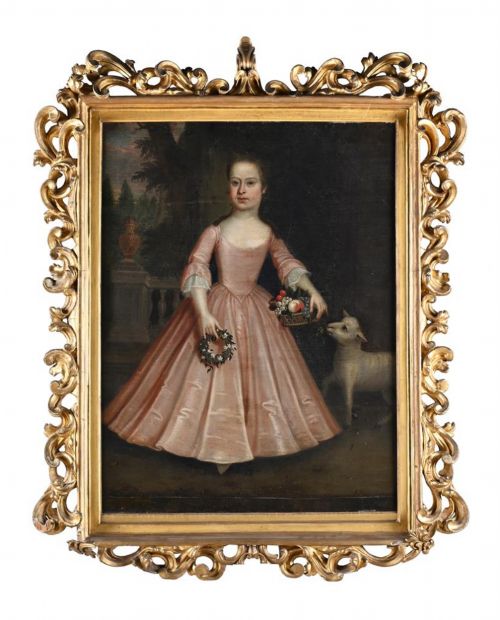
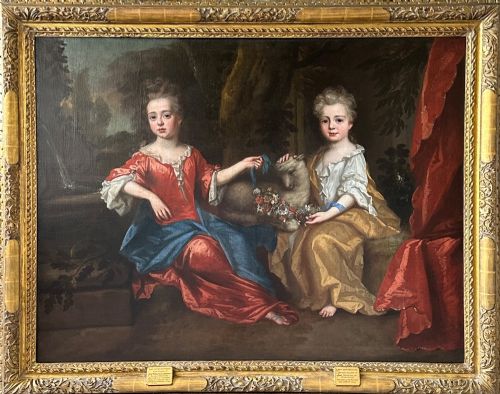
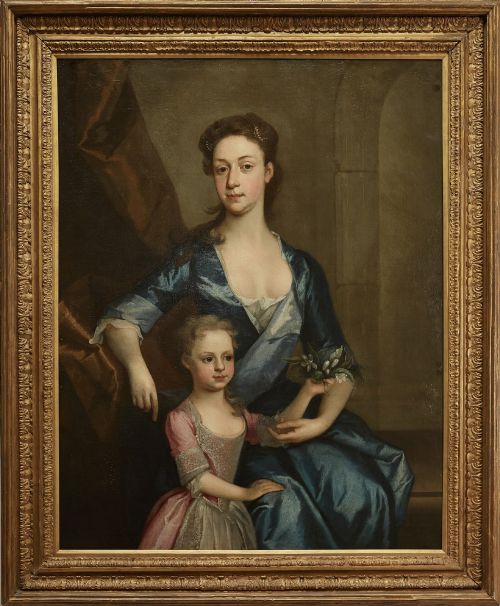
These Georgian style child portrait works capture youth in oil, watercolour, and silhouette, offering a direct window into past centuries.
Georgian Style Child Portrait
When you search for a georgian style child portrait, you look at depictions of young subjects spanning the 18th century, 19th century, and Regency periods. The pieces on this page include oil on canvas, watercolour on paper, and cut silhouettes framed in wood and giltwood.
Most examples present children either alone or alongside family members, rendered in oil paint or delicate ink. These range from formal compositions associated with notable artists to naive representations depicting subjects like young Robert Spearman Swinburne.
Subjects appear in various settings, sometimes accompanied by animals such as dogs or kittens, reflecting the domestic portraiture conventions of the era. The stylistic range covers Georgian, Regency, Baroque, and Victorian interpretations.
How they were made
Painters applied oil paint to stretched canvas, building up layers of pigment to render figures and drapery with depth. Watercolours and inks were worked onto paper surfaces, often alongside detailed silhouette cutting.
Frames utilised wood and giltwood, enclosing the canvas or paper to protect the artwork. These materials matched the prevailing interior tastes of the 18th and 19th centuries.
Georgian Style Child Portrait Retail Price Guide 2026
Typical asking prices for georgian style child portrait among the pieces listed under this phrase on Sellingantiques today, from the lower quarter to the upper quarter. They describe what is for sale here now, not the wider market.
What varies in quality
The sophistication of brushwork and anatomical rendering distinguishes studio pieces from provincial or naive examples. Proportions, facial expressions, and the handling of textiles show the varying skill of the hand behind the work.
Framing materials and the preservation of the original canvas or paper support influence the overall character of each surviving piece. Works associated closely with established circles retain distinct art historical interest.
Charles D’Agar·Sir Allan Ramsay·Sir Thomas Lawrence·James Maubert·Joseph Highmore·William Wood·William Egley·Robert Byng
The Georgian Style Child Portrait Glossary
- Oil on Canvas
- A painting medium where pigments suspended in drying oils are applied to a woven fabric support. This was the primary method for formal portraiture during the period.
- Silhouette
- A solid shape of a person portrayed as a dark outline against a light background, often cut from black paper. These provide a direct, intimate record of facial profiles.
- Giltwood
- Wood that has been covered with a thin layer of gold leaf or gold paint. Frames utilising this finish were standard for respectable works.
- Naive Art
- Visual art created by a person without formal training, typically displaying flat perspective and unconventional proportions. These works possess a distinct personal charm.
- Portrait Miniature
- A small, highly detailed painting, often executed on a small scale in watercolour or enamel. These intimate objects were frequently kept as personal mementos.
Georgian Style Child Portrait: Frequently Asked Questions
How are these portraits dated?
Dating relies on stylistic evidence, costumes, hair styling, and biographical details of the sitters when recorded. Pigment analysis and canvas examination also assist specialists in placing works within the correct century.
Secondary clues include framing techniques and inscriptions on the reverse of the canvas or paper support. Comparison with documented works by known schools narrows down the period further.
What subjects typically appear in these works?
Subjects include individual children, siblings grouped together, or youngsters posed with mothers and pets. Poses often include animals like dogs or kittens to soften the formality of the composition.
Depictions range from formal aristocratic commissions to informal records of family members. Each piece captures domestic life across the 18th and 19th centuries.
How should these portraits be displayed?
Display these works away from direct sunlight and excessive moisture to protect delicate canvas, paper, and giltwood frames. Stable indoor temperatures prevent the cracking of oil paint and the warping of wooden supports.
Ensure hanging hardware is secure and appropriate for the weight of framed oils or heavy wooden frames. Proper placement preserves the condition of both the artwork and its period housing.