




Georgian Style Breakfast Table
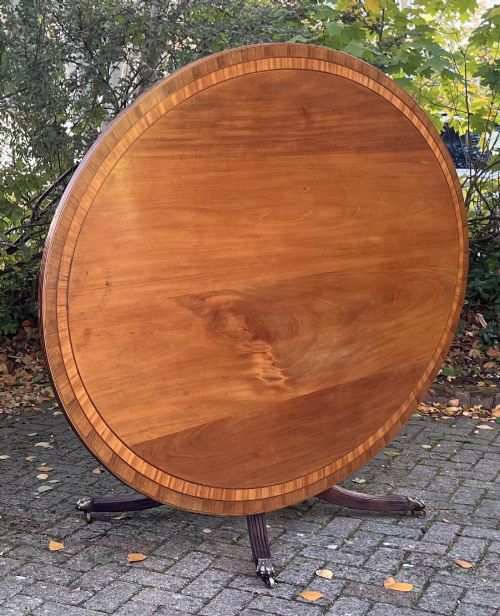
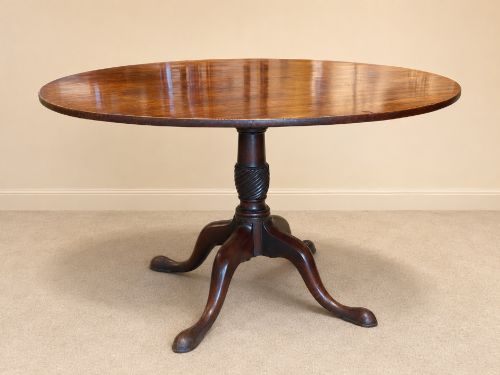
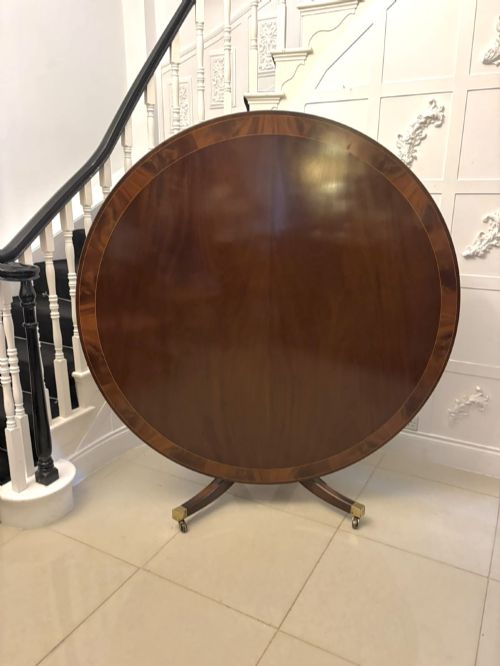
A georgian style breakfast table offers timeless versatility, combining a tilt-top mechanism or central pedestal with rich timber to anchor any traditional room.
Georgian Style Breakfast Table
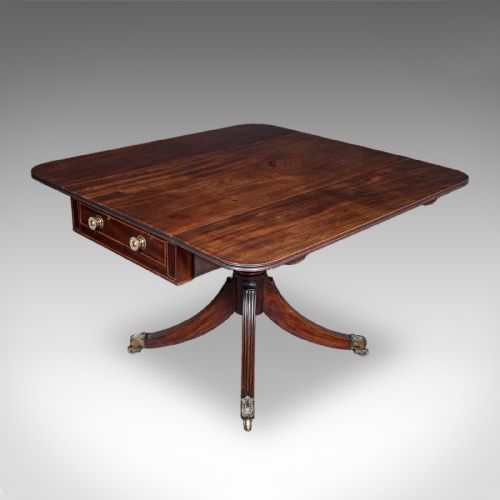
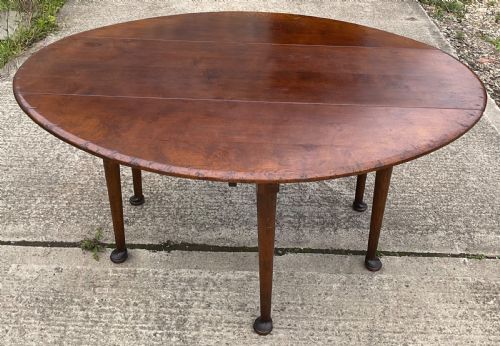
A georgian style breakfast table encompasses circular, oval, and drop-leaf forms designed for flexible dining and social use. Buyers search for these tables to bring antique character and practical surface area into modern or traditional interiors.
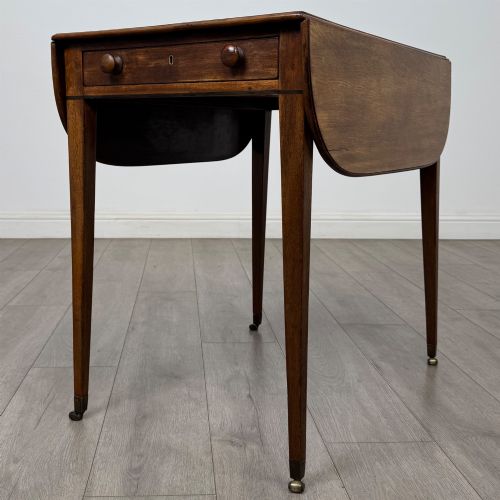
The pieces on this page span several periods including Georgian, Regency, William IV, and later revivals from the nineteenth and twentieth centuries. Formats range from pedestal centre tables to Pembroke tables and tilt-top designs.
Origins stretch across English workshops, utilising classic silhouettes influenced by makers such as Sheraton, George Bullock, and Gillows. Most examples present balanced proportions suited for central placement in a room or against a wall when folded.
Materials and construction
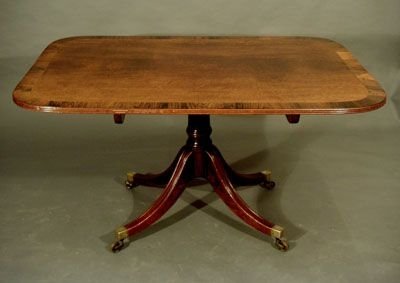
Makers relied heavily on mahogany as the primary timber, often enhanced by contrasting veneers and bandings of rosewood, satinwood, and lacewood. Secondary timbers like pine appear in internal or structural components.
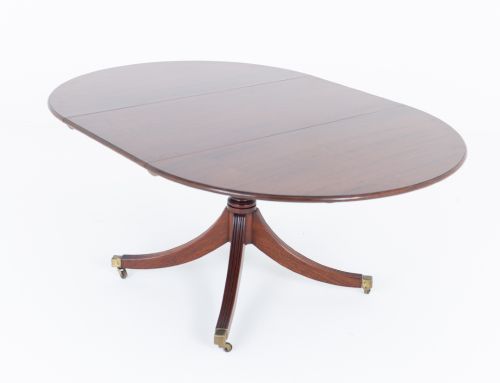
Construction techniques include stable pedestal bases with triform supports, tilt-top mechanisms pivoting on birdcage or block fixtures, and drop-leaf hinges fixed to dropleaf frames. Brass castors frequently finish the feet to aid movement across floorboards.
Georgian Style Breakfast Table Retail Price Guide 2026
Typical asking prices for georgian style breakfast table among the pieces listed under this phrase on Sellingantiques today, from the lower quarter to the upper quarter. They describe what is for sale here now, not the wider market.
Some tilt-top tables spent their idle hours hiding flat against the parlour wall like giant wooden dinner plates waiting for morning tea.
Assessing quality and execution
Quality rests on the selection of figured timbers, where rich grain patterns on mahogany or burr yew tops elevate a piece above plain boards. Crispness of inlay work and the harmonious integration of secondary woods demonstrate superior cabinetmaking skill.
Structural integrity of the tilt mechanism and the stability of the central column or leg assembly dictate everyday reliability. Fine proportions and well-turned pedestals separate ordinary production from distinguished workshop output.
Gillows·George Bullock·William Trotter of Edinburgh
The Georgian Style Breakfast Table Glossary
- Pembroke table
- A small rectangular table featuring two hinged drop leaves on opposing sides. It often includes one or two drawers and slender legs.
- Tilt top
- A table top hinged to the central pillar so it can pivot vertically to save space when not in use. This mechanism allows the table to stand flat against a wall.
- Triform base
- A three-sided pedestal base supporting the central column. It usually terminates in brass castors.
- Inlay
- Decorative wood or brass inserted into recesses carved into the primary timber surface. This technique creates geometric or contrasting borders.
- Centre table
- A freestanding table designed to be viewed from all sides rather than pushed against a wall. These pieces often feature finished backs and polished pedestals.
Georgian Style Breakfast Table: Frequently Asked Questions
How were breakfast tables used originally?
These tables served flexible daytime functions in private family rooms before formal dining became standard practice in dedicated spaces. Occupants used them for morning meals, writing, or reading near a window.
Between uses, tilt-top versions were tipped vertically and pushed against the perimeter of the room to reclaim floor space. Drop-leaf formats adapted easily when extra guests required a wider surface area.
How do I distinguish Regency from Georgian pieces?
Georgian pieces often display restrained classical lines, straight tapering legs, and subtle mahogany grain. They lean toward architectural symmetry and understated bracket or spade feet.
Regency examples introduce bolder architectural influences, incorporating heavier pedestal columns, brass paw feet, and elaborate rosewood or lacewood bandings. The proportions become more robust and theatrical as the nineteenth century progresses.
Can I use a tilt top table daily?
Daily use is entirely practical provided the block and catch mechanism securing the top in a horizontal position remains sound. Regular deployment adds to the functional charm of owning such furniture.
Care should be taken when lowering or raising the heavy timber top to protect the pivot pivot pins and surrounding veneer from sudden impact.
What is the difference between a Pembroke and a breakfast table?
A Pembroke table is defined by its two drop leaves and rectangular top, traditionally equipped with a drawer and slender legs. It functions well as a side table or small desk.
A breakfast table is typically larger and circular or oval, supported by a central pedestal column and triform or quadrimar base. It is designed specifically for central room placement and comfortable seating on multiple sides.