





Georgian Sporting Engravings
Georgian sporting engravings capture the energetic spirit of past pastimes through detailed printed imagery.
Georgian Sporting Engravings
When you search for georgian sporting engravings, you enter a visual world of eighteenth and nineteenth century leisure, horse racing, hunting, and rural pursuits. These printed works reflect the social history and field sports of the period through the eyes of contemporary artists and publishers.
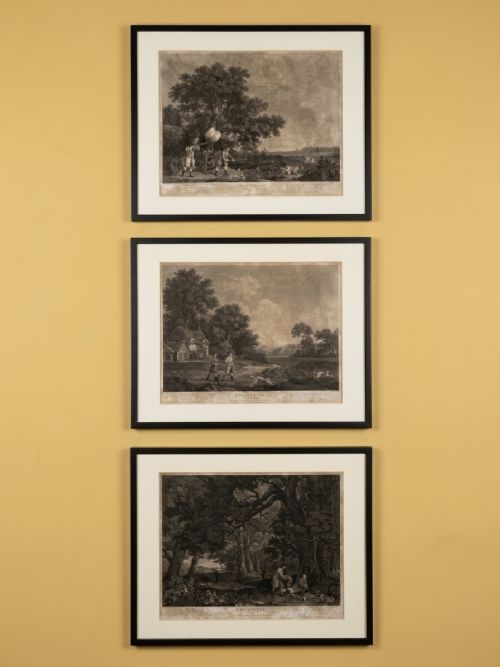
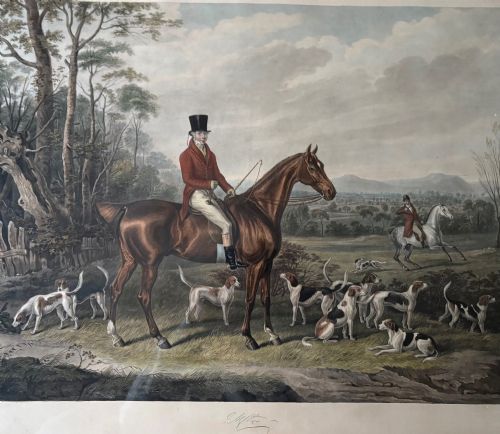
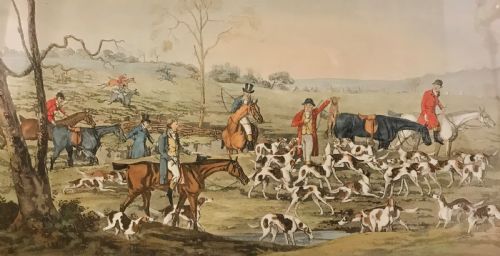
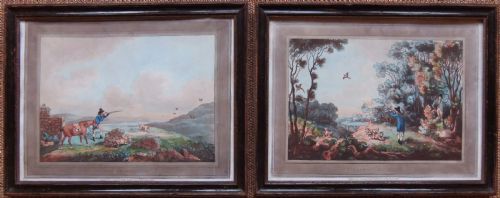
The pieces on this page appear as framed artwork, wall art, and individual prints on paper, often preserved behind glass within wood or gilt frames. You will encounter sets of hunting scenes, individual racehorses, and social satires that document the sporting interests of the era.
Originating largely from the Georgian, Regency, and nineteenth century periods, these works bridge fine art and historical documentation. They range from hand coloured copperplate engravings to lithographs and stipple engravings published across several decades.
Materials and methods of production
The foundational medium for these works is paper, upon which ink was applied through intaglio printing methods such as copperplate and stipple engraving. Master printmakers carved lines into metal plates to hold the ink, transferring fine details onto the sheet under pressure.
Many examples in the collection feature subsequent hand colouring using watercolour washes applied carefully over the printed ink lines. This manual enhancement brought vibrancy to subjects like fox hunting scenes and racehorses.
Framing materials commonly involve wood, gilt wood, and gold leaf highlights that complement the monochromatic or tinted imagery within. Glazing with glass protects the delicate paper surfaces from environmental damage over time.
Georgian Sporting Engravings Retail Price Guide 2026
Typical asking prices for georgian sporting engravings among the pieces listed under this phrase on Sellingantiques today, from the lower quarter to the upper quarter. They describe what is for sale here now, not the wider market.
Listings feature works from the eighteenth and nineteenth centuries, including the Georgian and Regency periods, utilising paper, ink, watercolour, and gilt wood frames.
Factors that distinguish individual pieces
Quality in these works rests heavily on the clarity of the printed line and the precision of the plate impression. Early impressions from fresh plates show crisp details in the subjects, whereas worn plates yield softer, less distinct imagery.
The application of hand colouring significantly influences the visual appeal of a print. Skilful watercolour work adds depth and natural tone without obscuring the underlying engraved lines, while hurried application lacks subtlety.
The preservation of the paper support and the authenticity of the associated framing materials contribute greatly to the standing of a piece. Clean paper free from heavy staining and housed in period wood or gilt frames represents the higher end of what is available.
The Georgian Sporting Engravings Glossary
- Engraving
- A printmaking technique where an artist cuts a design into a metal plate using a sharp tool called a burin. The resulting grooves hold the ink for the printing press.
- Stipple engraving
- A method of producing tonal gradations in prints by creating patterns of dots on the plate. This technique allows for softer shadows and flesh tones.
- Aquatint
- An intaglio printmaking process that uses acid to bite into the metal plate, producing areas that resemble watercolour washes. It was frequently combined with line engraving for sporting prints.
- Hand coloured
- A print finished with watercolour applied by hand after the printing process. This adds colour to specific elements within the scene.
- Copperplate
- A flat sheet of copper used by engravers to bear the incised design. These plates wore down over time during extensive printing runs.
Georgian Sporting Engravings: Frequently Asked Questions
What subjects do these prints show?
These works depict a wide array of historical pastimes, including fox hunting, horse racing, shooting, and traditional games. Artists captured both the action of the field and the social atmosphere surrounding rural sports.
Subjects extend to specific named racehorses, coaching scenes, and satirical interpretations of Georgian life and leisure activities.
How should I display them at home?
Display these framed pieces away from direct sunlight to protect the paper and any applied watercolour pigments from fading. Maintaining stable room temperatures prevents the wood frames and paper supports from warping.
Grouping sets of hunting or shooting scenes together creates a cohesive gallery wall that mirrors historic domestic display styles.
Are these works original period pieces?
The listings encompass works produced during the eighteenth and nineteenth centuries, alongside nineteenth century printings of earlier plates. Publishers often released series documenting rural sports and social satires across these eras.
Examining the paper characteristics and printing techniques helps identify the period of production for each individual item.
How do I care for antique paper prints?
Ensure the framing remains sealed to prevent dust, insects, and moisture from reaching the paper surface over the years. Professional framing using conservation grade materials safeguards the artwork against acid degradation.
Avoid hanging prints in areas with high humidity, such as kitchens or unventilated spaces, to protect the fragile medium.