


Georgian Soup Ladle
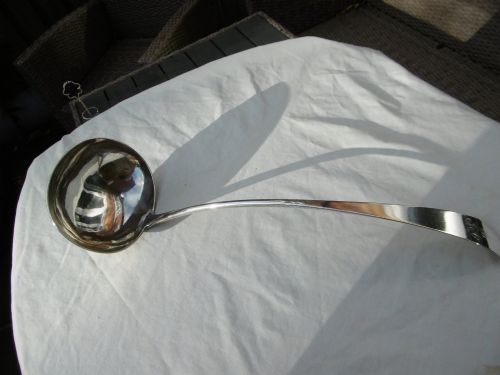
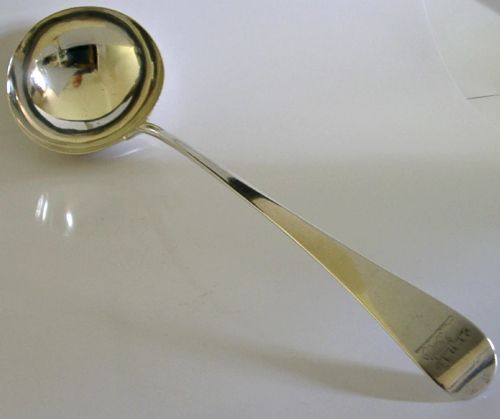
A georgian soup ladle brings heavy sterling silver and provincial horn or pewter to the dining table, offering deep bowls for formal service.
Georgian Soup Ladle
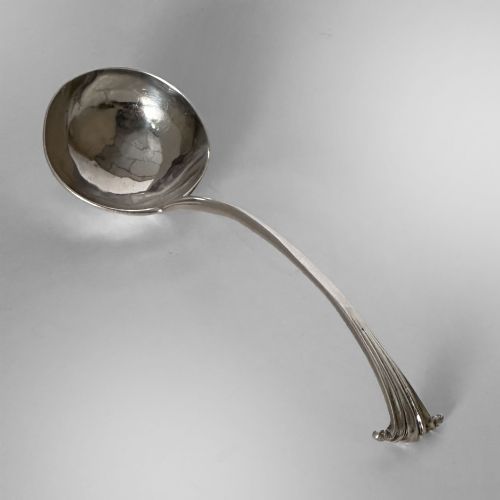
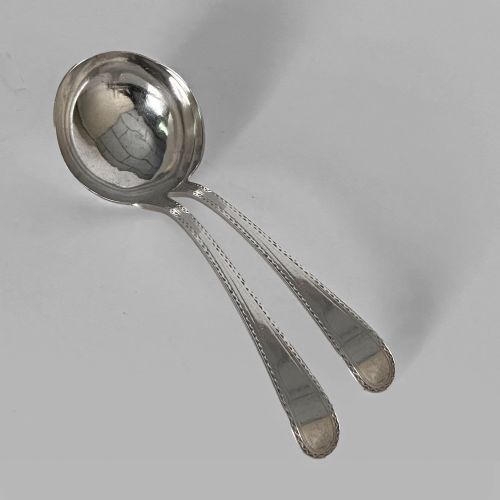
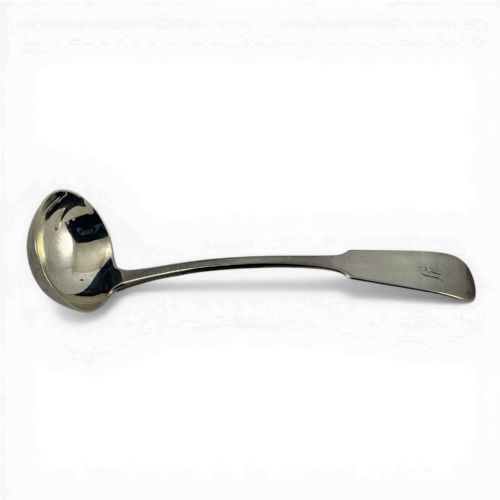
A georgian soup ladle is a large serving utensil designed for dipping broth and stews, appearing across the eighteenth and nineteenth centuries in sterling silver, pewter, brass and horn. The examples on this page span the Georgian period, the eighteenth century, and the Victorian era, alongside regional variations from English, Irish, and Scottish workshops.
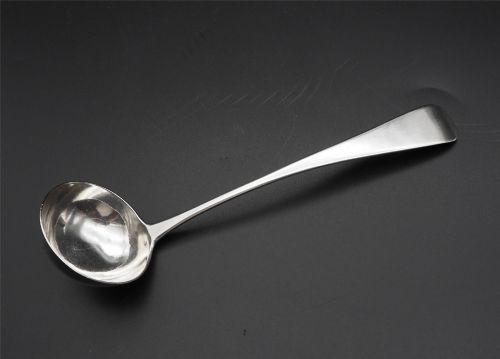
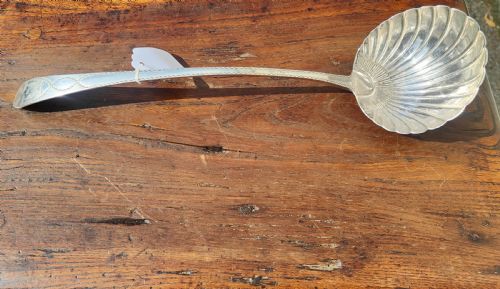
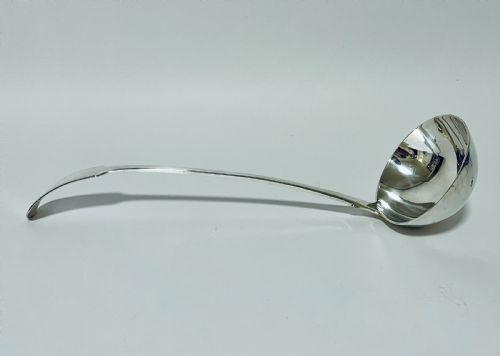
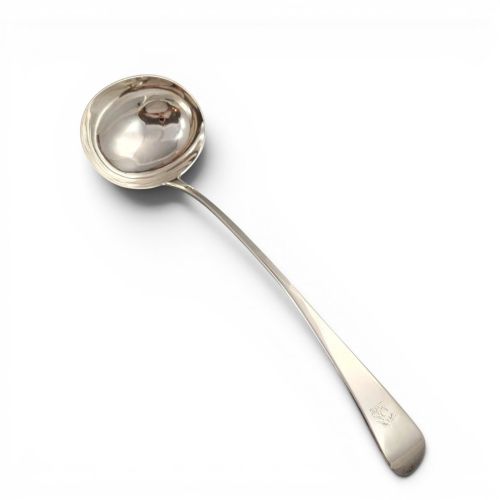
Most pieces take the form of long-handled serving ladles with deep circular or ovoid bowls, often rendered in sterling silver following traditional patterns like Old English or Fiddle and Thread. Alongside urban London and Dublin pieces, buyers encounter provincial silver from makers working in Banff, Elgin, Inverness, Glasgow, and York.
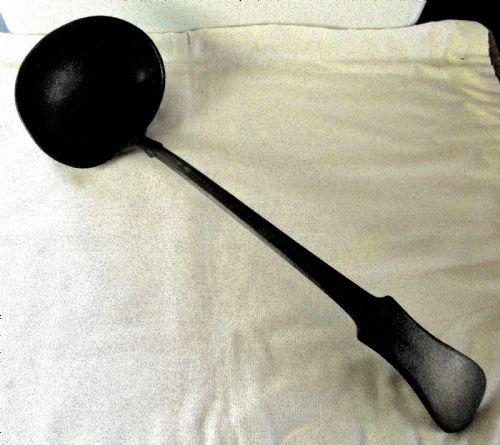
While many listings showcase refined sterling silver suitable for formal dining, the selection also includes durable utilitarian forms in pewter, brass, and horn. These domestic implements range from heavy eighteenth-century soup ladles to smaller punch and sauce ladles.
How they were made
Silversmiths hammered sterling silver ingots into substantial handles and raised deep bowls, frequently incorporating threaded borders or engraved family crests. Provincial makers in Scotland and Ireland struck pieces with local town marks, while pewterers cast their metal into moulds for everyday domestic service.
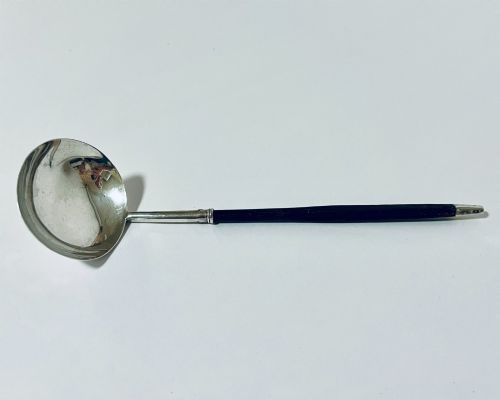
Makers utilised horn and turned wood for handles on certain punch and broth ladles, joining organic materials securely to metal bowls with pins or silver collars. Heavy brass variants were constructed for utilitarian kitchen tasks, prioritising structural durability over decorative engraving.
Scottish provincial items include pieces originating from Banff, Elgin, Inverness, and Glasgow makers.
What varies in quality
Quality rests primarily on weight, gauge of metal, and the crispness of the maker's marks or town marks stamped into the silver. Heavier silver ladles retain their structural integrity and balance, whereas thinner examples show wear around the bowl rim from decades of service.
Milne and Campbell·Hester Bateman·Dixon and Son·William Ferguson·Jamieson and Naughton·Michael Smith
The Georgian Soup Ladle Glossary
- Old English pattern
- A traditional flatware design with a tapered stem and a downward-curving terminal. This style appears frequently on late eighteenth-century sterling silver ladles.
- Provincial silver
- Items made outside major assay towns like London, bearing local maker marks and town stamps. Scottish and Irish provincial ladles often display distinctive regional characteristics.
- Punch ladle
- A smaller serving utensil typically utilised for dipping alcoholic punch from a bowl. These often feature twisted whalebone, horn, or wooden handles paired with silver bowls.
- Hallmark
- Official stamps struck into precious metals indicating the standard of silver, the assay office, and the date letter. English and Irish pieces carry these to verify authenticity.
- Fiddle and Thread
- A decorative cutlery style featuring a raised central ridge along the stem paired with threaded borders. It provides a heavier grip and formal appearance.
Georgian Soup Ladle: Frequently Asked Questions
How do I identify a Georgian soup ladle?
Examine the piece for official hallmarks, town marks, and traditional patterns such as Old English or Fiddle and Thread. The style of the handle and the shape of the deep bowl generally point to eighteenth or early nineteenth-century manufacturing.
Compare the weight and construction against known provincial or London silver standards. Maker marks stamped into the metal provide direct evidence of origin and date.
Were these ladles used only for soup?
While primary soup ladles served broth and stews at formal dining tables, smaller variants functioned as punch or sauce ladles. Utilitarian kitchen versions made from brass and pewter handled general food preparation.
Different bowl sizes and handle lengths determined their specific role in domestic service. Punch ladles often featured shorter, organic handles for deep bowls.
How should I care for antique silver ladles?
Clean sterling silver pieces gently with a soft cloth and approved silver polish to remove tarnish without wearing down hallmarks or engraved crests. Avoid abrasive cleaners that scratch the metal surface.
Store silver in a dry environment away from direct sunlight and humidity. Pewter and brass variants require maintenance suited to their specific metal composition to preserve their finish.
What is the difference between London and provincial ladles?
London pieces were submitted to the official assay office for standard leopard head and lion passant marks. Provincial makers working in Scotland and Ireland used local town marks alongside their personal maker stamps.
Provincial items often exhibit unique regional craftsmanship and lesser-seen decorative details. These variations make provincial silver particularly interesting to collectors.
Why do some ladles have wooden or horn handles?
Organic materials like wood and horn provided insulation when dipping hot liquids from communal bowls. They also offered a lighter grip compared to solid metal shafts.
These materials appear frequently on punch ladles where heat transfer was a concern. The combination of silver bowls and organic handles created a distinct visual contrast.