






Georgian Silver Service
A georgian silver service gathers hollowware and tea pieces forged in sterling silver, Sheffield plate, and gold gilt during the eighteenth and nineteenth centuries.
Georgian Silver Service
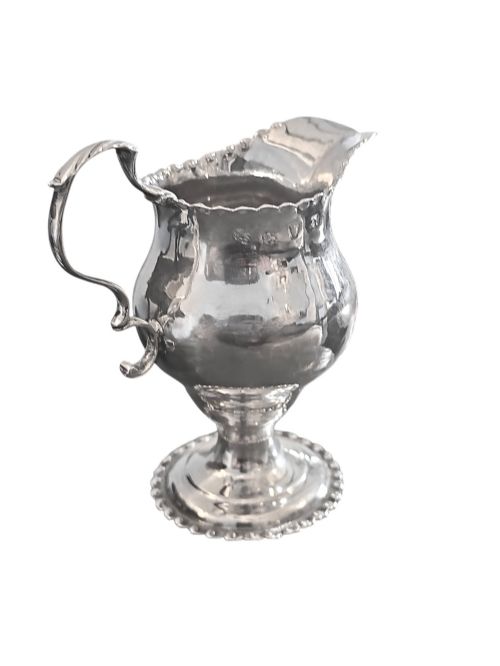
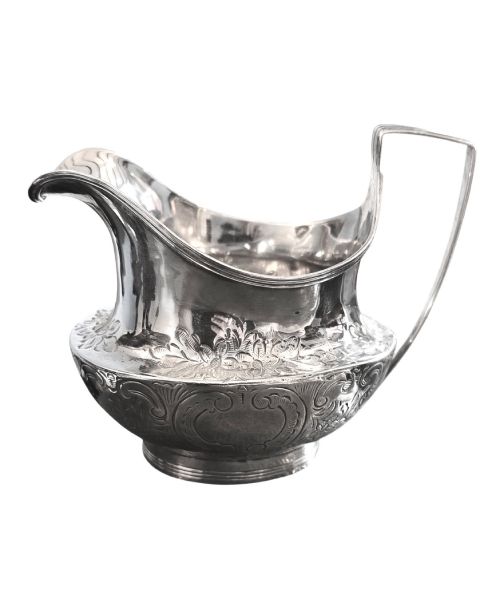
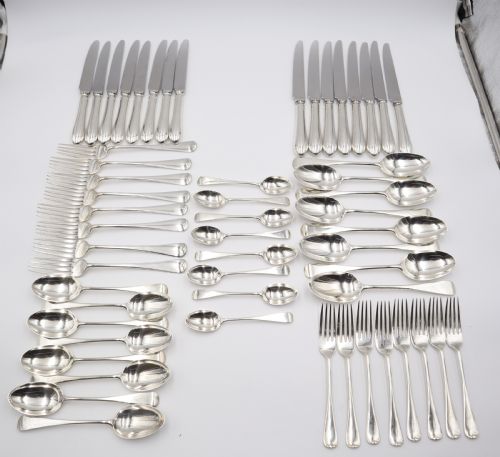
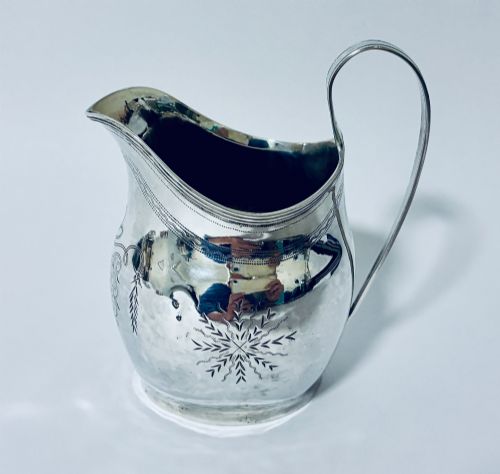
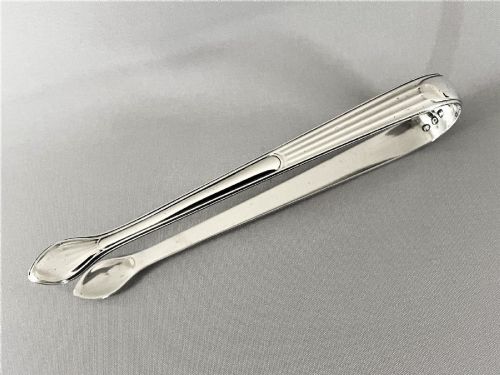
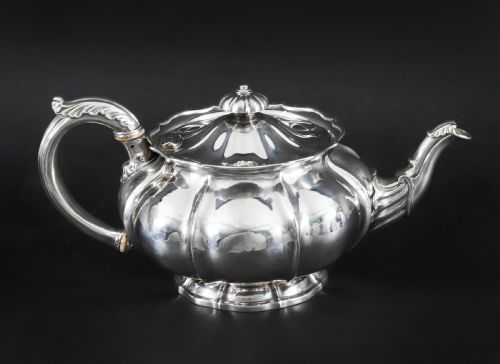
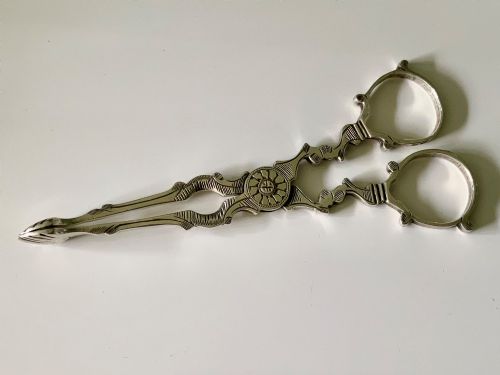
A georgian silver service comprises table items designed for tea, coffee, cream, and sugar, alongside matching cutlery sets and sauce boats. These forms span cream jugs, teapots, sugar tongs, and sauce boats originating in the Georgian, Regency, and Victorian periods.
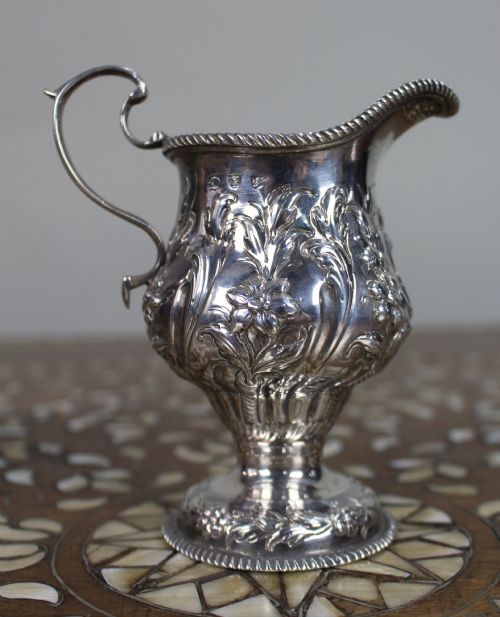
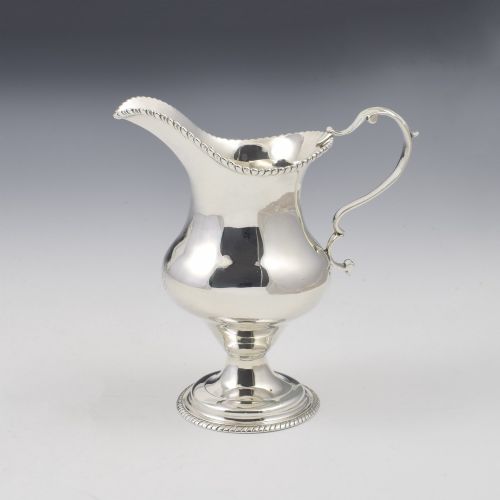
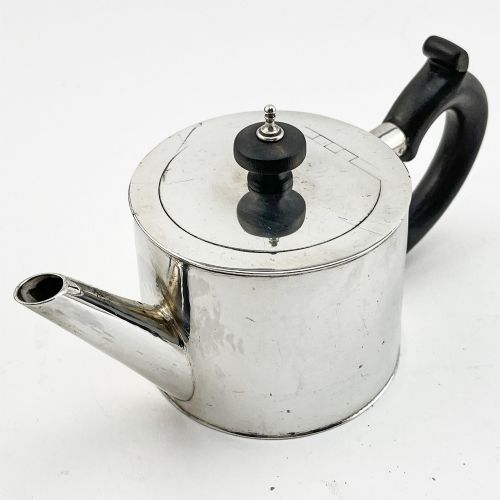
Buyers meet individual cream jugs, teapots, and sugar nips more often than complete tea and coffee services. Provincial and London assay offices both contribute to the surviving hollowware found in this category.
Materials and construction methods
Silversmiths utilised sterling silver, silver plate, and Old Sheffield Plate for these objects, sometimes adding bone handles or gold gilt highlights. Wood and copper also appear as base materials or structural components in specific pieces.
Makers shaped the hollowware through hammering, casting, and soldering, applying hallmarks to record assay locations, dates, and makers' marks. Engraving and applied borders define the decorative surface work on teapots and ewers.
Georgian Silver Service Retail Price Guide 2026
Typical asking prices for georgian silver service among the pieces listed under this phrase on Sellingantiques today, from the lower quarter to the upper quarter. They describe what is for sale here now, not the wider market.
Listings feature sterling silver, silver plate, copper, and gold gilt across Georgian, Regency, and Victorian periods.
Distinctions in quality and execution
Weight, gauge of metal, and crispness of hallmarks separate heavier cast pieces from lighter sheet-metal items. The definition of chased decoration and the integrity of applied handles indicate the skill of the original workshop.
Completeness within a set influences character, as matched services or paired items retain greater cohesion than assembled collections. The survival of original gilding and undamaged bone fittings preserves the intended finish.
Stalker & Mitchison·Paul Storr·Robert Hennell I·John Emes·Bateman Family·Thomas Tookey·Peter & Ann Bateman·Joseph Craddock·Jonathan Douglas·Benjamin Smith
The Georgian Silver Service Glossary
- Sterling silver
- A silver alloy containing 925 parts of pure silver per thousand parts by mass. This metal forms the primary body of standard Georgian hollowware and flatware.
- Old Sheffield plate
- A composite material made by fusing a thin sheet of silver to a thicker copper base. It appears on tea sets and coffee pots produced before the invention of electroplating.
- Hallmark
- An official stamp applied to precious metals indicating the standard of purity, the assay office, and the date letter. These marks identify London, Newcastle, Exeter, and provincial origins.
- Sauce boat
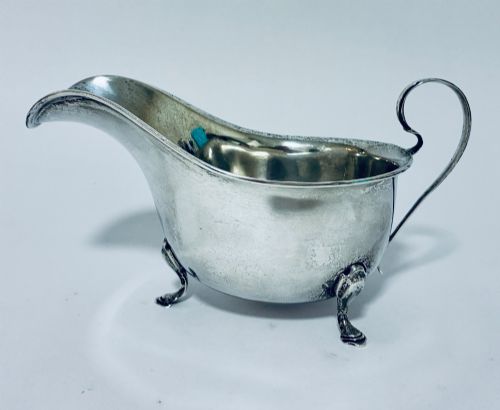
- A small open vessel with a lip and handle used for serving gravies or sauces. Examples from the eighteenth century often feature three footed supports.
- Sugar tongs
- Spring instruments designed for lifting sugar lumps into a teacup. They appear in diverse provincial and London silver patterns.
Georgian Silver Service: Frequently Asked Questions
What is a georgian silver service?
A georgian silver service groups matching or associated vessels made for serving tea, coffee, milk, and sugar during the Georgian era. These collections unite items like teapots, cream jugs, and sugar basins.
Many listings present individual items that formed part of larger domestic services, including sauce boats, egg cruets, and cutlery sets. Sterling silver and Sheffield plate dominate these functional dining pieces.
How do I date a silver teapot?
Dating relies upon the stamped hallmarks, which include date letters, assay office symbols, and maker marks. These punches reveal the exact year and town of manufacture.
Stylistic shifts also help establish periods, moving from neoclassical lines to later Victorian interpretations. Maker marks connect specific pieces to known workshops operating around eighteen hundred.
Were these pieces used daily?
Original domestic silver served active roles in wealthy households for tea, breakfast, and dinner service. Heavy hollowware handled boiling water and daily pouring.
Over generations, use created natural wear on handles, hinges, and interior surfaces. Surviving pieces demonstrate the durability of eighteenth-century and nineteenth-century metalwork.
How do I care for antique silver?
Regular dusting and minimal cleaning preserve the surface without removing historic hallmarks or thinning the metal. Gentle washing in warm soapy water removes dust and oils.
Harsh abrasive polishes cause damage to engraved details and applied crests. Proper storage in dry conditions prevents accelerated tarnishing.