



Georgian Silver Piece
A georgian silver piece is a functional or decorative object brought down from the eighteenth or nineteenth century, prized for its substantial metal and refined domestic utility.
Georgian Silver Piece
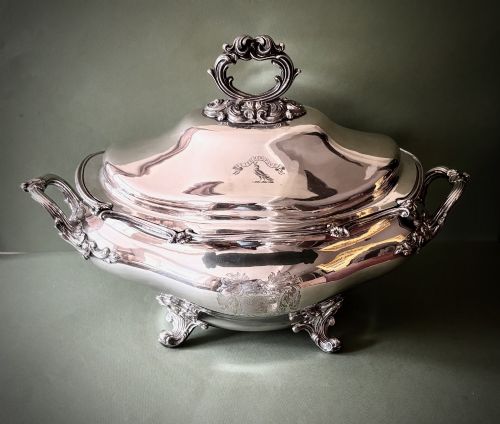
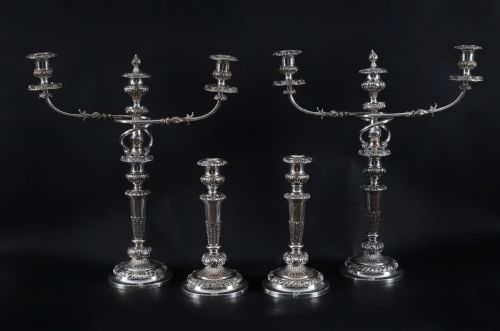
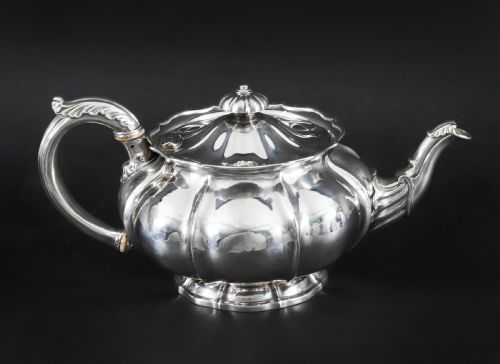
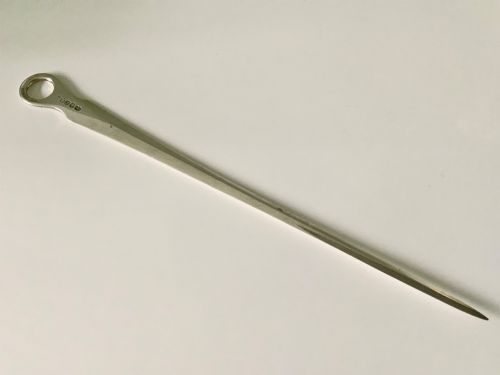
A georgian silver piece covers a diverse range of household silver and plated wares spanning tea services, tablewares, and desk items. The listings on this page include teapots, cream jugs, tureens, candelabra, meat skewers, sauce boats, tea caddy spoons, wine funnels, and dressing table sets.
The objects stem from various periods, including the Georgian era itself, alongside Victorian, George III, George II, William IV, Regency, and George V epochs. Makers represented range from renowned silversmiths to established plated-ware firms like Elkington and Co.
Buyers will encounter single serving items alongside multi-piece suites and cased condiment sets. Form and function remain closely tied to formal dining and domestic routines of past centuries.
How they were made
Items on this page are fashioned from sterling silver, silver plate, Old Sheffield plate, and copper, occasionally enhanced with gilt surfaces, velvet linings, or bone elements. Sterling silver provides solid metal construction, while plated alternatives utilise copper fused with silver layers.
Decorative techniques involve embossing to create raised ornamentation on hollowware forms like sauce boats and jugs. Makers also incorporated crests and detailed hallmarks to record origin, date, and maker.
Georgian Silver Piece Retail Price Guide 2026
Typical asking prices for georgian silver piece among the pieces listed under this phrase on Sellingantiques today, from the lower quarter to the upper quarter. They describe what is for sale here now, not the wider market.
Object types range from single tea caddy spoons to multi-piece tea services, candelabra, and dressing table sets.
What varies in quality
Quality rests upon the weight of the metal, the crispness of embossed or cast decoration, and the integrity of the original form. Pieces bearing clear maker marks and silversmith attributions command greater interest.
The survival of matching suites, such as tea services or multi-piece candelabra, elevates a piece above isolated items. The quality of the plating on Old Sheffield wares or the preservation of original gilding also dictates distinction.
Paul Storr·Marson & Jones·Elkington & Co·Robert Pringle & Sons·Joseph Craddock·Jonathan Douglas·Viners
The Georgian Silver Piece Glossary
- Sterling silver
- A silver alloy containing substantial pure silver content, traditionally marked to guarantee fineness and standard.
- Old Sheffield plate
- An early form of plating created by fusing a thin sheet of silver to a thicker copper core.
- Sauce boat
- A small vessel with a spout and handle designed for serving gravies or sauces at the dining table.
- Wine funnel
- A specialised funnel used in past centuries to decant wine from wood casks or bottles while catching sediment.
Georgian Silver Piece: Frequently Asked Questions
How do I clean a silver piece?
Clean silver gently with a specialist microfibre cloth and mild cleaning solutions formulated for antique metals to preserve the surface.
Avoid harsh abrasive dips that strip away patination and age, ensuring the metal retains its historical character over time.
Can I use these items daily?
Many items like cream jugs, condiment sets, and flatware can be integrated into modern dining settings with proper care.
Delicate items or silver-plated wares require hand washing rather than machine cleaning to protect the metallic surfaces.
How do I identify the date?
Examine the hallmarks and maker stamps impressed directly into the metal surface of the object.
These tiny symbols record the assay office, the specific year letter, and the silversmith responsible for the creation.
What is Old Sheffield plate?
Old Sheffield plate is an eighteenth-century composite material made by fusing silver and copper together under heat.
This technique produced durable domestic wares before modern electroplating methods were introduced in the nineteenth century.