




Georgian Silver Miniature
Georgian silver miniature pieces are tiny, finely worked examples of domestic silver and vertu that collectors prize for their exquisite proportion and intimate scale.
Georgian Silver Miniature
When you search for georgian silver miniature, you encounter small-scale objects spanning the eighteenth century and later revival periods. These pieces include functional table forms, personal accessories, and novelty items designed with remarkable precision.
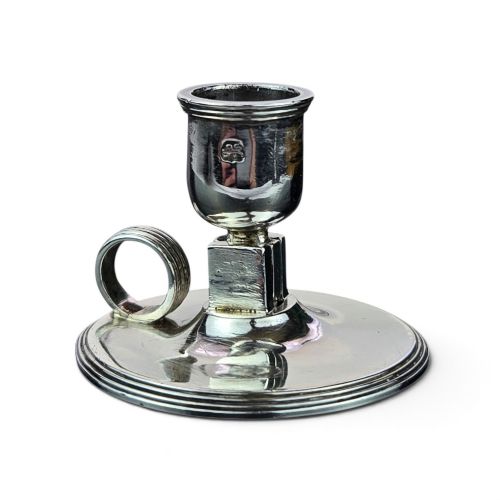
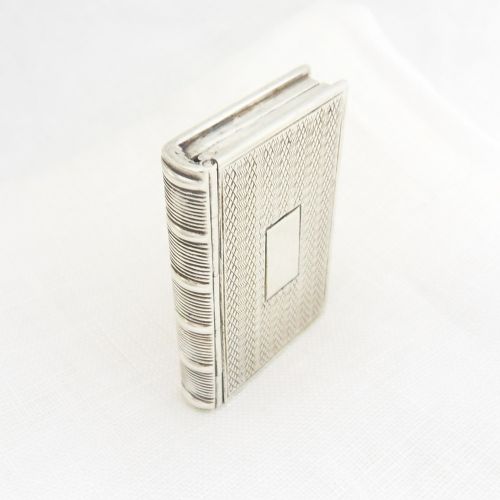
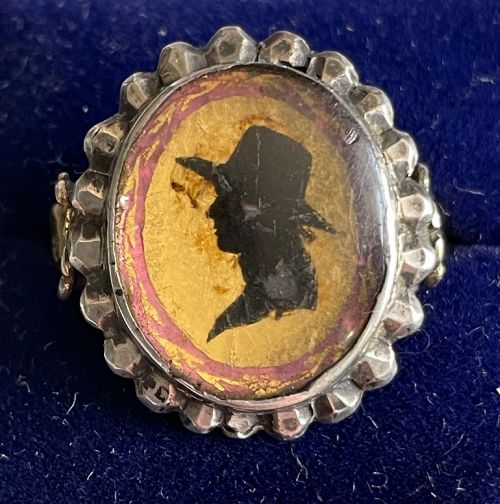
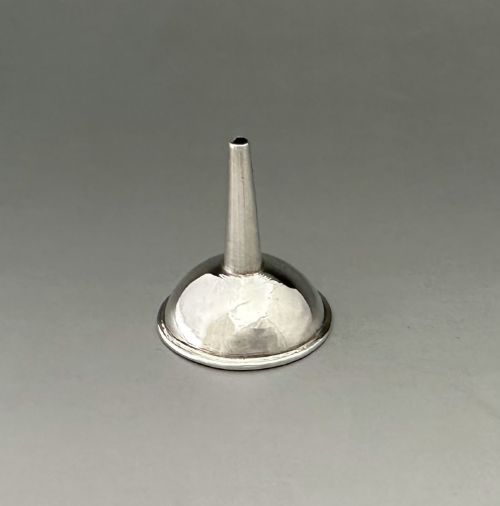
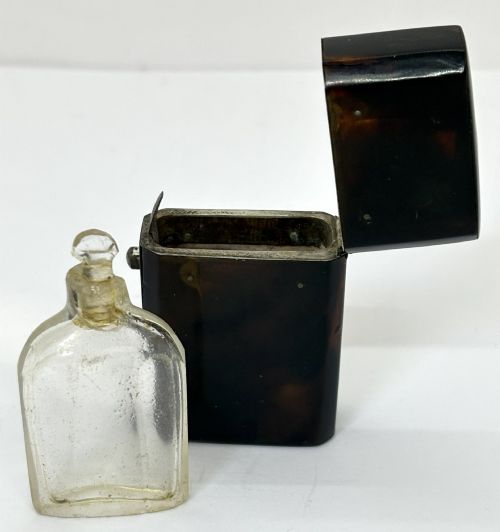
The objects most frequently met on this page range from small scent bottle holders and pill boxes to tiny warming pans, wine labels, and spice spoons. Many items combine silver with materials like tortoiseshell, glass, or wood to achieve their distinct cabinet scale.
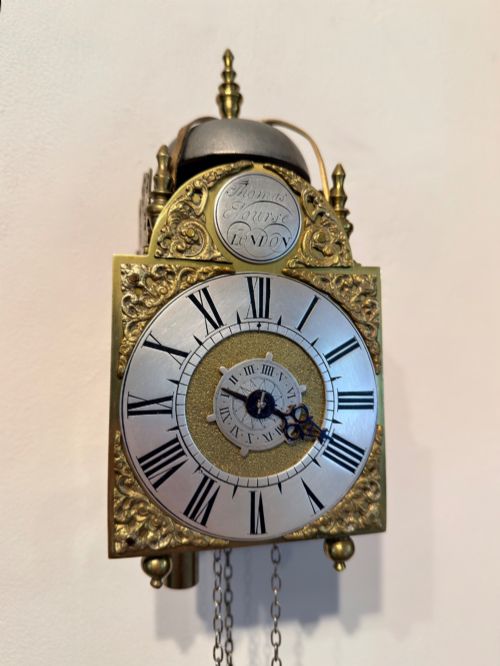
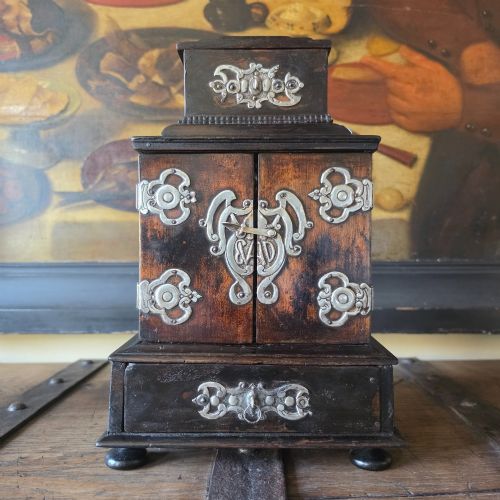
The selection encompasses pieces from the Georgian era alongside later revivals such as Edwardian interpretations and twentieth-century reproductions in the George II style. Collectors find everything from utilitarian sewing tools to miniature furniture and portraits.
Materials and construction
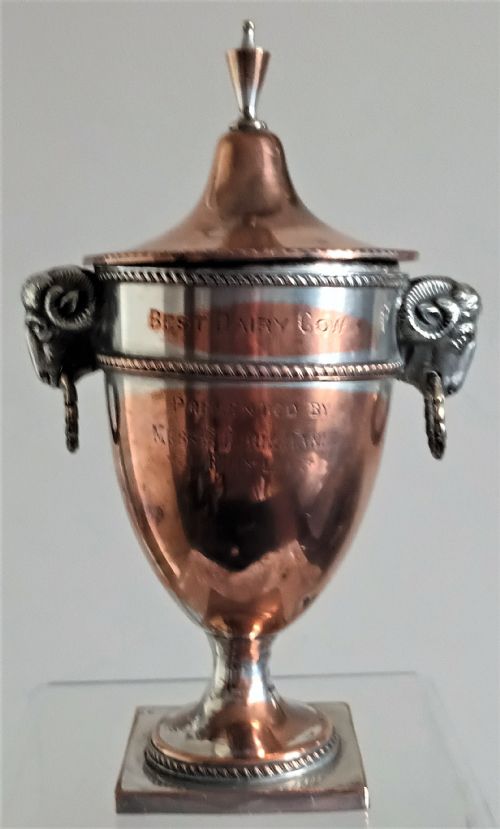
Silver forms the primary body of these miniature items, often paired with Old Sheffield plate, copper, or brass to create contrasting tones and textures. Artisans also integrated organic materials such as tortoiseshell, wood, and glass into scent bottle holders, etuis, and tea caddies.
Makers employed traditional silversmithing techniques adapted for microscopic scale, utilising bright cut engraving, piercing, and chasing to decorate surfaces. Items like vinaigrettes and pill boxes feature precise hinges and tiny internal grilles requiring exceptional manual dexterity.
Georgian Silver Miniature Retail Price Guide 2026
Typical asking prices for georgian silver miniature among the pieces listed under this phrase on Sellingantiques today, from the lower quarter to the upper quarter. They describe what is for sale here now, not the wider market.
Listings feature items incorporating silver, tortoiseshell, glass, and Old Sheffield plate across the Georgian, Regency, and Edwardian periods.
Judging quality in miniature silver
Quality rests in the fidelity of proportion and the crispness of detail achieved at such a minute scale. Pieces that maintain correct architectural or domestic ratios without appearing clumsy command greater appreciation.
The finesse of the engraving and the tightness of moving parts, such as lids, clasps, and tiny hinges, distinguish superior examples from standard work. Marks of maker attribution also elevate the standing of a piece significantly.
Mappin & Webb·Samuel Pemberton·Elizabeth Morley·John and Thomas Settle·Nathaniel Mills·Goldsmiths Co
The Georgian Silver Miniature Glossary
- Vinaigrette
- A small ornamental box featuring an internal pierced grille, designed to hold a sponge soaked in aromatic vinegar. These date predominantly from the Georgian period and often double as personal accessories.
- Etui
- A small case used to hold needles, tweezers, scissors, and other small toilet implements. They frequently appear in silver, tortoiseshell, or shagreen.
- Old Sheffield plate
- A composite material made by fusing a thin sheet of silver to a thicker base of copper. This technique predates modern electroplating and appears on several miniature urns and domestic vessels.
- Tazza
- A small, stemmed dish or saucer used for serving sweetmeats or presentation. Miniature versions display delicate pie crust borders and chased details.
Georgian Silver Miniature: Frequently Asked Questions
What are miniature silver toys?
Miniature silver toys are small-scale models of household items, furniture, and animals produced by silversmiths primarily during the seventeenth and eighteenth centuries. They were collected by adults rather than played with by children.
These pieces served as cabinet curiosities and demonstrations of a maker's technical skill at a diminutive scale.
How were silver vinaigrettes used?
Silver vinaigrettes held a small sponge soaked in scented vinegar or perfume to combat unpleasant odours in public spaces. Owners carried them in pockets or reticules during the Georgian period.
The hinged lid opened to reveal a decorative internal grille that protected the sponge while allowing the aroma to escape.
How do I spot a later reproduction?
Later reproductions often display modern hallmarks, casting flaws, or stylised proportions that differ from authentic eighteenth-century work. Examining the wear patterns and construction techniques helps determine age.
Revival pieces from the early twentieth century frequently emulate George II or Georgian styles with machine-finished precision rather than hand-wrought subtlety.
What is an etui used for?
An etui is a small decorative case designed to hold essential personal implements such as bodkins, tweezers, scissors, and toothpicks. They were carried by wealthy individuals for grooming and needlework.
Materials used for these cases include silver, tortoiseshell, and engraved brass, often lined with velvet or silk.