


Georgian Silver Ice Bucket
A georgian silver ice bucket brings the weight of the late eighteenth and early nineteenth centuries straight to the dining table.
Georgian Silver Ice Bucket
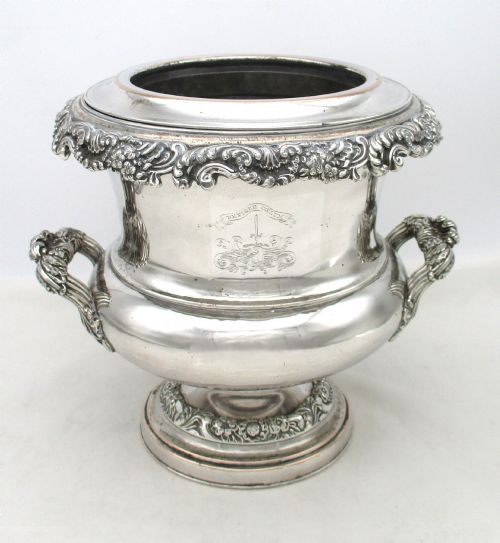
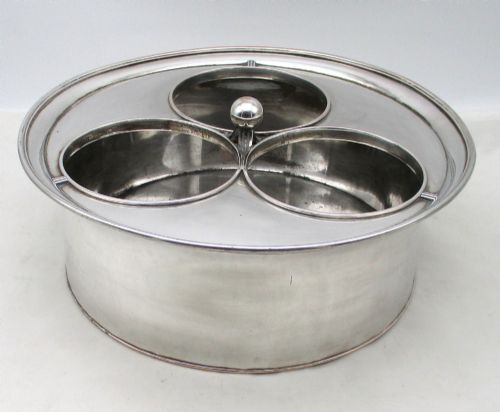
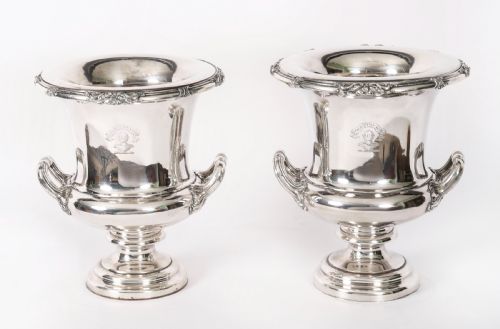
A georgian silver ice bucket is represented in these records primarily by wine coolers and champagne coolers dating from the Georgian, Regency, and William IV periods. These vessels take the form of substantial cooling pieces designed to chill wine for the table.
Buyers will most frequently encounter items fashioned from Old Sheffield Plate rather than solid silver, reflecting the dominant manufacturing methods of the era. The forms range from single vessels to multi-bottle coolers and campana shapes.
The periods span the late eighteenth century through the early nineteenth century, encompassing George III and Regency aesthetics. These vessels frequently feature engraved coats of arms or crests.
Materials and construction
The pieces listed rely heavily on Old Sheffield Plate, a material created by fusing a thin sheet of silver to a thicker copper base. This technique produced durable vessels that imitated solid silver while providing practical utility for cooling wine.
Manufacturing methods involved shaping the plated metal into classical forms such as the campana urn. Additional elements like crests and coats of arms were applied to personalise the vessels for aristocratic dining.
Materials across these listings include Old Sheffield Plate, copper, silver plate, and general metal.
Factors of quality
Quality in these cooling vessels rests upon the crispness of the applied crests, armorial engravings, and classical detailing. Better examples maintain the integrity of the fused silver layer over the copper core without excessive wear.
Proportion and form dictate the distinction between standard vessels and superior pieces. Balanced campana designs and multi-bottle configurations demonstrate greater ambition from the makers.
Matthew Boulton and Co
The Georgian Silver Ice Bucket Glossary
- Old Sheffield Plate
- A composite material made by fusing silver and copper together, used before modern electroplating was invented. This technique created durable tableware with the appearance of solid silver.
- Campana
- A bell-shaped vessel profile popular in classical design. These coolers often adopt this flared silhouette.
- Regency
- A style period spanning the early nineteenth century characterised by neoclassical influences. Pieces from this era often feature bold architectural lines.
- Crest
- A heraldic device engraved onto the metal surface. These additions signify the original owning family.
Georgian Silver Ice Bucket: Frequently Asked Questions
What is a georgian silver ice bucket?
These vessels are period cooling pieces designed to hold ice and chill wine bottles during formal dining. They function as both practical table equipment and decorative metalwork.
Most examples found in this category are actually constructed from Old Sheffield Plate rather than solid silver. They date from the Georgian and Regency eras.
How were these ice buckets used?
Hostesses and butters utilised them to keep wine and champagne at the correct temperature throughout long dining courses. Bottles rested inside the chilled vessel surrounded by ice.
They stood upon the dining table or sideboard as centrepieces of hospitality. Their substantial weight helped maintain low temperatures.
How do I identify Old Sheffield Plate?
Old Sheffield Plate shows subtle traces of copper where the thin silver layer has worn away over centuries of use, particularly on high points and edges. This fused layering method differs entirely from nineteenth-century electroplating.
The weight and construction also reveal the copper core beneath the silver surface. Examining the seams and borders often exposes the underlying base metal.
How do I style a wine cooler today?
These historical pieces work effectively as decorative focal points on sideboards or dining tables. Their classical forms complement both traditional and modern interiors.
Beyond chilling wine, they serve well as vases for floral arrangements or simply as standalone display objects. Their metallic surfaces catch natural light in a room.