



Georgian Silver Collectible
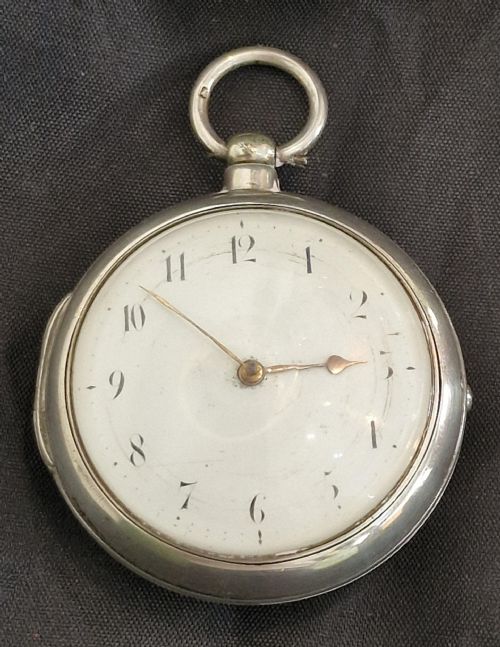
These georgian silver collectible items bring small-scale silverwork, cutlery and personal accessories from the eighteenth and nineteenth centuries into modern hands.
Georgian Silver Collectible
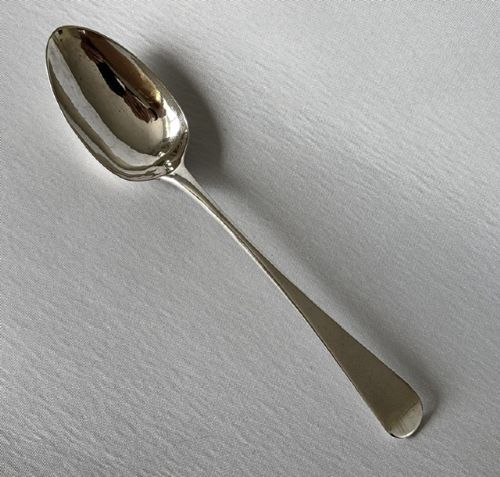
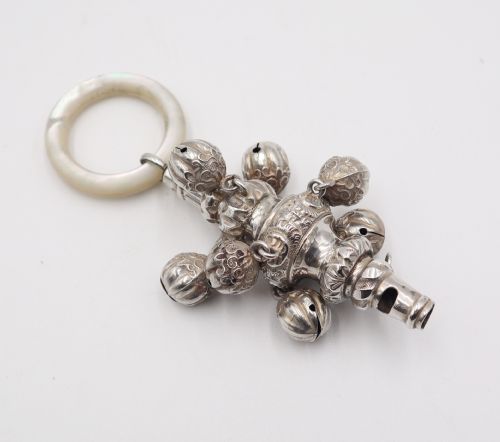
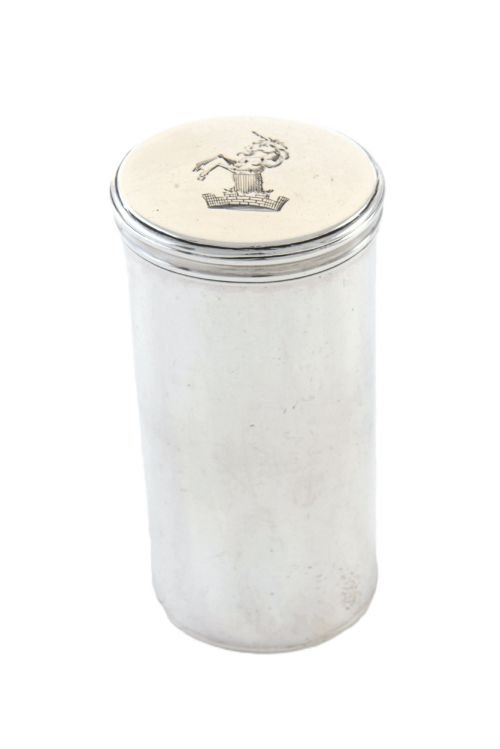
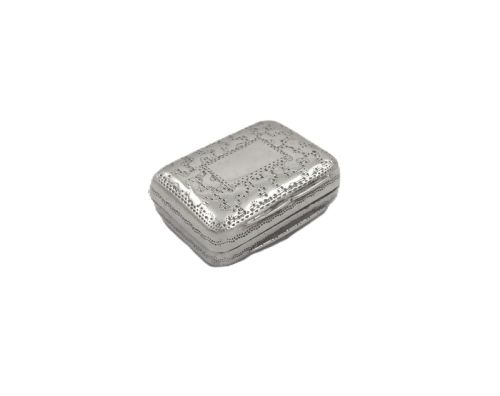
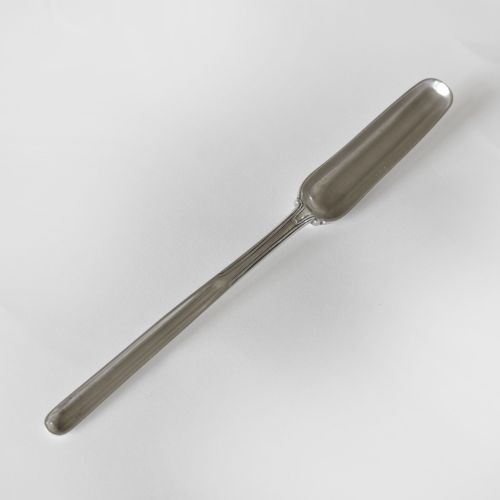
The objects take many forms, appearing as pocket-sized tobacco boxes, snuff boxes, vinaigrettes, caddy spoons, nutmeg graters and baby rattles alongside flintlock pocket pistols mounted in silver. Cutlery such as tablespoons and marrow scoops also surface frequently.
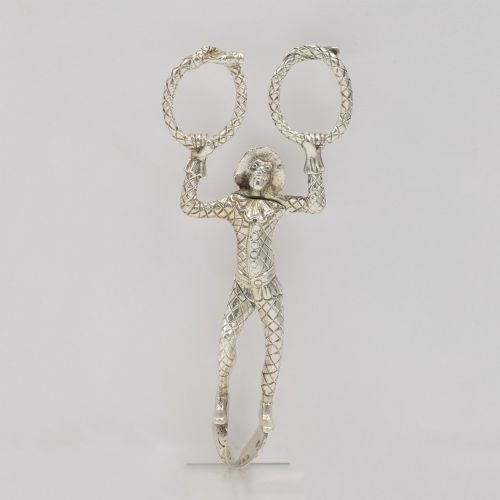
Most items align with the Georgian and Victorian eras, carrying stylistic traits from the reigns of George I through to William IV. Makers utilise traditional techniques to shape silver into functional and novelty forms like harlequin monkeys, baskets and artists' palettes.
How they were made
Silversmiths shaped sterling silver and silver alloys using hand-raising, casting and embossing techniques to create intricate crests, shell shapes and decorative panels. Many pieces integrate contrasting materials, pairing silver wire inlay, glass, mother of pearl and enamel with walnut, oak or horn.
Makers applied specialised methods for specific objects, such as piercing grater inserts for nutmeg graters, constructing hinged compartments for vinaigrettes, and engraving detailed decoration on snuff boxes and decanter labels. Flintlock pistols combined forged steel barrels and mechanisms with silver-mounted wooden stocks.
Keep an eye out for the harlequin monkey sugar tongs, proving that Georgian tea tables welcomed a touch of theatrical mischief.
What varies in quality
Quality rests on the crispness of the chasing and engraving, where sharply defined crests, figures and floral motifs distinguish superior silversmith work from worn or softer castings. The complexity of the form also dictates standard, with novelty items and specialised pieces demanding greater technical skill than plain surfaces.
The integrity of the construction and the preservation of original components separate standard examples from finer items. Well-fitted hinges on vinaigrettes and tobacco boxes, secure mountings on pistols, and legible hallmarks contribute to an object's overall standing.
Peter & Jonathan Bateman·Dee & Fargus·Isaac Davenport·James Barber·Timothy Hughes·Meyer & Mortimer·E Cornock·James Phipps I·Joseph Taylor·Reily And Storer
The Georgian Silver Collectible Glossary
- Vinaigrette
- A small decorative box containing a perforated grille, originally holding a sponge soaked in aromatic vinegar. These portable containers date predominantly from the Georgian and Regency periods.
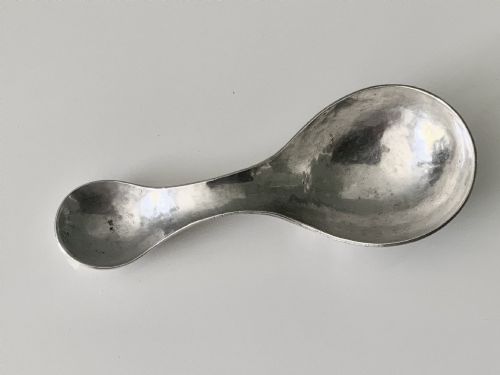
- Caddy spoon
- A short-handled spoon designed for measuring tea leaves from a caddy into a teapot. They appear in diverse figural and shell-like shapes.
- Snuff box
- A small hinged container used for holding dry snuff tobacco. Makers frequently decorated the lids with crests, repoussé scenes or engraving.
- Dognose tablespoon
- An early form of spoon featuring a rounded, notched terminal pointing upward, popular around the late seventeenth and early eighteenth centuries.
- Marrow scoop
- A narrow, elongated silver utensil with a trough at each end, used for extracting marrow from bones during formal dining.
Georgian Silver Collectible: Frequently Asked Questions
What is a vinaigrette used for?
A vinaigrette served as a personal accessory for carrying scented vinegar during the Georgian and Victorian eras. The pierced internal grill allowed aromatic vapours to escape when opened.
Owners carried them in pockets or reticules to ward off unpleasant odours in public spaces.
Were pocket pistols made of silver?
Pocket pistols were constructed primarily from steel and wood, but incorporated silver through wire inlay, decorated sideplates, cast side-barrels or full silver mounts. Makers used these precious metals to enhance the visual appeal of defensive weapons.
These pieces combined functional flintlock mechanisms with ornamental craftsmanship.
How should I clean antique silver boxes?
Antique silver boxes require gentle dusting with a soft cloth to preserve the underlying metal and any patination accumulated over centuries. Avoid harsh chemical dips that strip away historical character and wear down engraved details.
Professional conservation advice is recommended for pieces with delicate tortoiseshell or enamel inserts.