
Georgian Shelf Unit
A georgian shelf unit brings functional display space into a room, uniting timber grain with proportion in open bookcases, whatnots, and wall shelves.
Georgian Shelf Unit
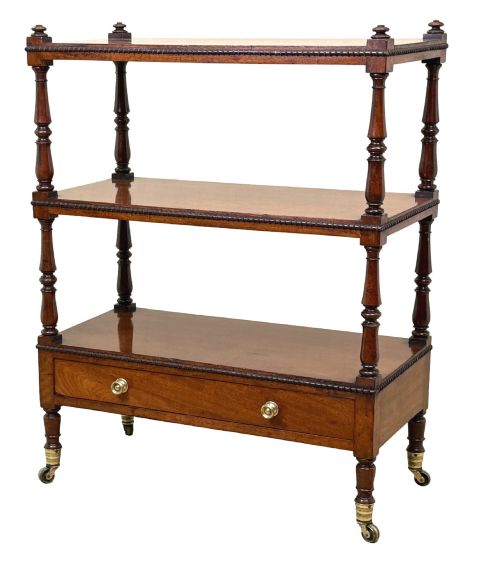
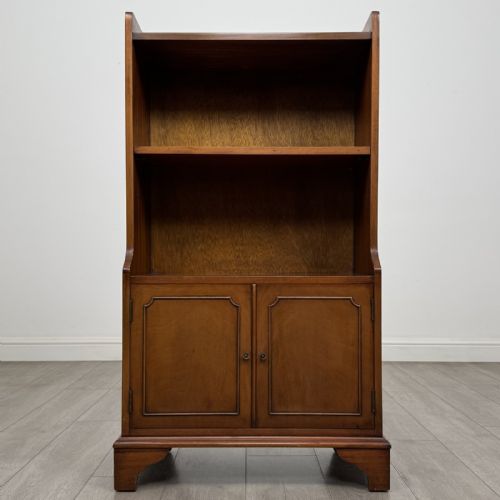
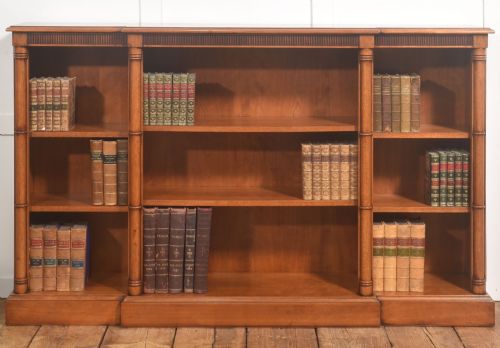
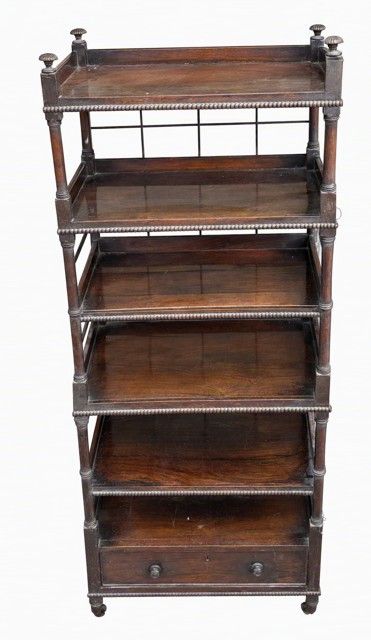
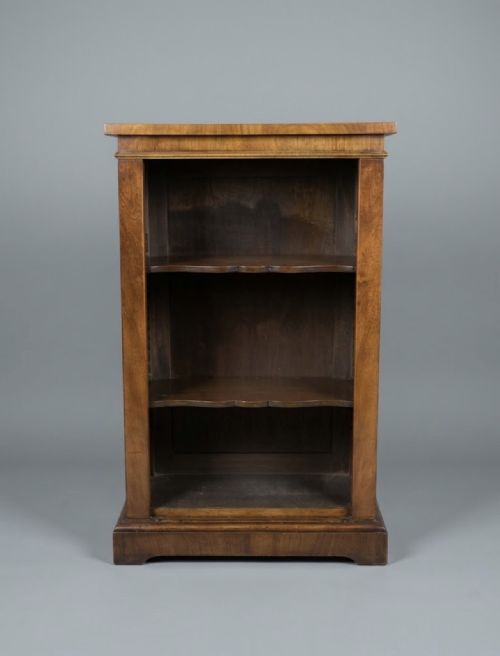
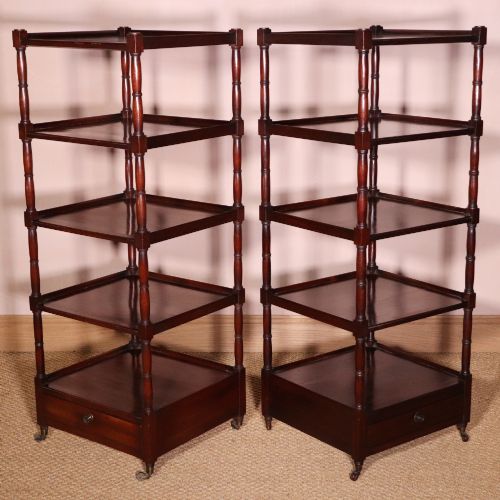
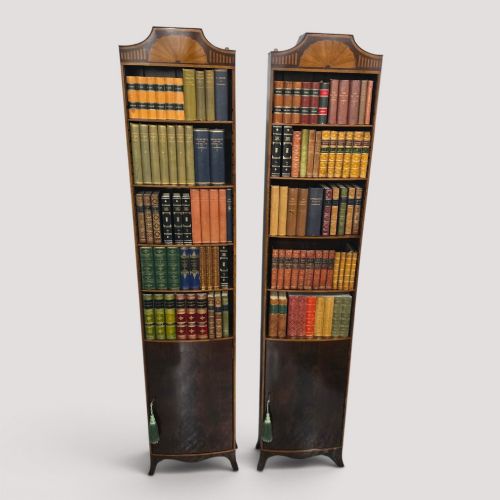
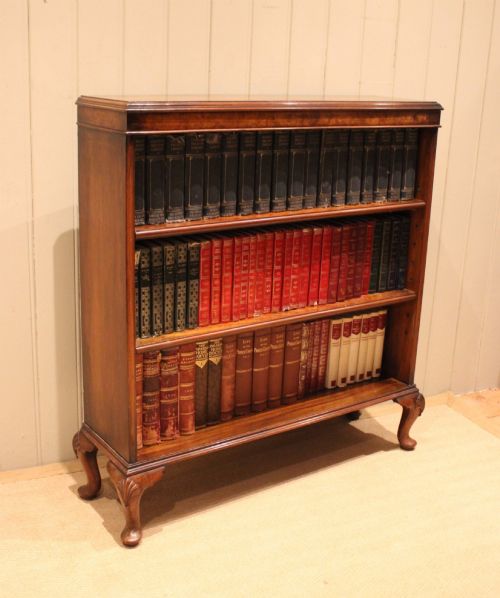
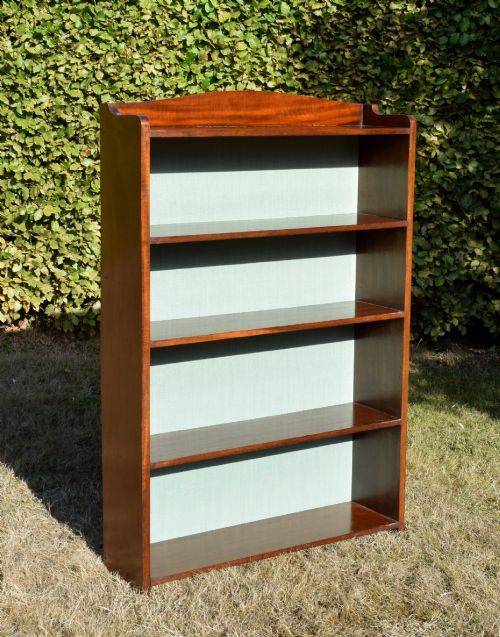
A georgian shelf unit encompasses open bookcases, tier-based whatnots, wall-mounted hanging shelves, and corner cabinets originating from the 18th century through to later revival periods. Buyers searching for a georgian shelf unit most frequently encounter mahogany open-front bookcases and multi-tiered shelving stands constructed during the Georgian, Regency, or subsequent revival eras.
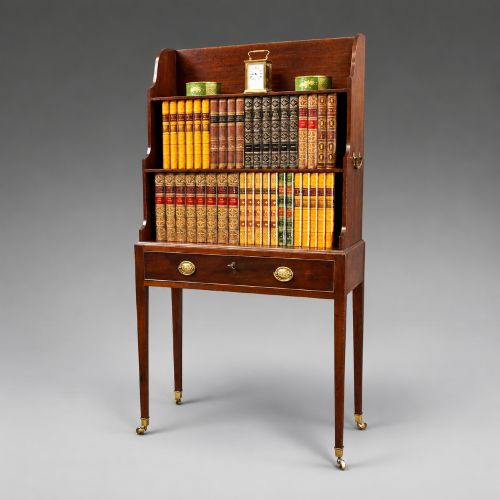
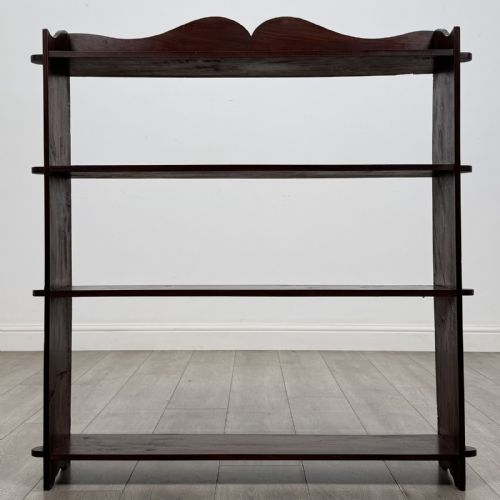
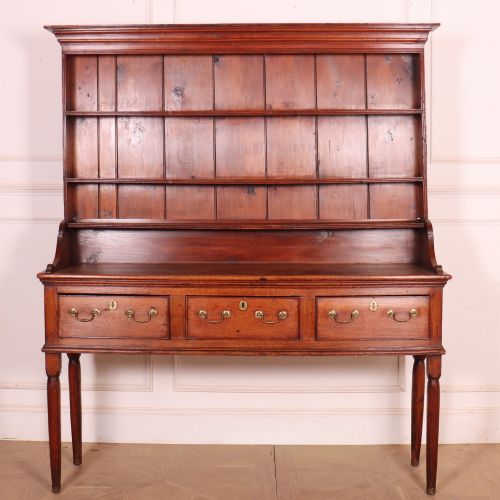
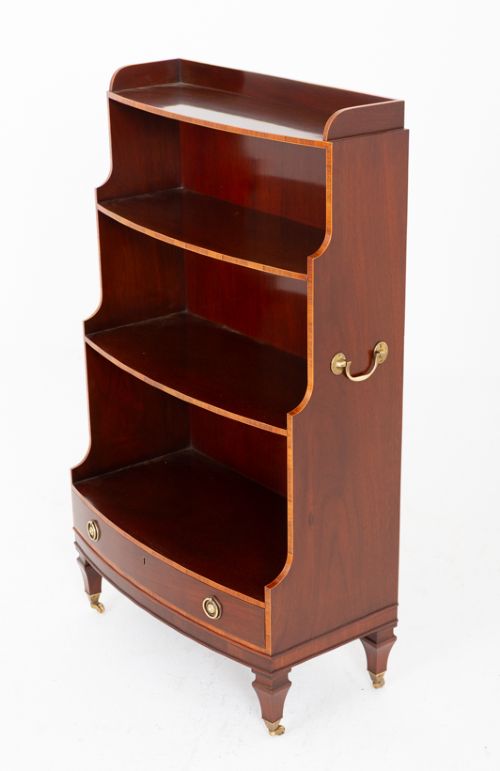
The category spans tall library bookcases, dwarf bookcases, and petite waterfall designs fitted with graduated tiers. Examples range from simple pine dressers and oak wall racks to elaborate rosewood pieces featuring brass inlay and integrated cupboards.
Materials and construction methods
Makers utilised dense hardwoods primarily, selecting figured mahogany, walnut, rosewood, and satinwood for visible surfaces, alongside secondary timbers like pine and oak for internal structures and backs. Grain matching and timber selection dictated the visual weight of each bookcase or whatnot.
Joinery techniques relied on traditional framing, dovetailed joints for drawers, and adjustable shelf mechanisms such as ratchets or wooden supports. Decorative detailing incorporates brass inlay, painted finishes, turned upright supports, and raised galleries.
Several pieces include tiny drawers tucked beneath waterfall tiers, presumably for hiding love letters or misplaced bookmarks.
Assessing quality in shelf units
Quality rests upon the selection of timber veneers and solid stock, where rich figure in the mahogany or rosewood elevates the piece. The crispness of turned columns, the refinement of brass inlay work, and the structural integrity of tiered joints distinguish finer examples.
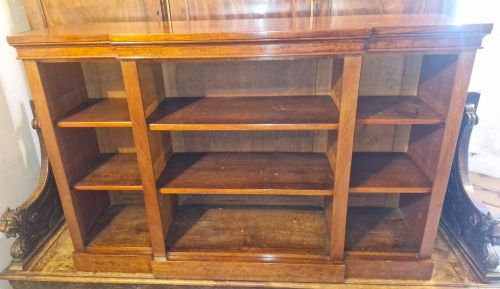
Proportion and utility define the upper tier of pieces, seen in balanced breakfront configurations, well-executed waterfall curves, and original adjustable shelving systems that operate smoothly.
Waring and Gillows
The Georgian Shelf Unit Glossary
- Whatnot
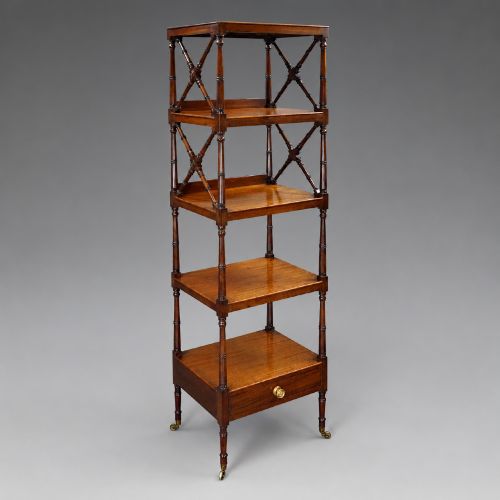
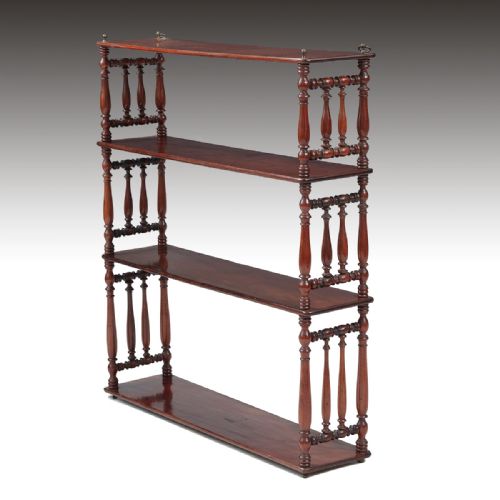
- A movable open-shelved piece of furniture with three or more tiers, used for displaying ornaments or books. Originating in the late 18th century, these stands often feature slender turned supports.
- Waterfall bookcase
- A shelving unit where each successive shelf is set back and narrower than the one below, creating a cascading profile. These pieces often incorporate small drawers at the base.
- Breakfront
- A piece of furniture whose central section projects forward from the flanking wings. This architectural arrangement creates depth and visual interest in large bookcases.
- Dwarf bookcase
- A low open bookcase designed to sit beneath window height or picture rails. These compact units maintain accessible shelf levels while preserving wall space.
- Hanging shelves
- Wall-mounted shelving units constructed to hold books or small decorative objects without occupying floor space. They frequently feature shaped sides or graduated tiers.
Georgian Shelf Unit: Frequently Asked Questions
What is a whatnot shelf unit?
A whatnot is a multi-tiered open shelving unit designed for displaying decorative objects or books. These pieces use slender vertical supports to separate each horizontal level.
First appearing during the late 18th century, they evolved into practical display furniture in various woods like mahogany and rosewood.
How do I style a waterfall bookcase?
Waterfall bookcases feature graduated shelves that step back toward the top, creating a distinct descending profile. This stepped design suits smaller volumes and ornaments arranged by height.
Their open construction allows light to pass through, making them suitable for tighter corners or placement against panelled walls.
What is the difference between an open bookcase and a cabinet?
Open bookcases provide immediate access to shelves without doors, whereas cabinets enclose the storage space behind timber or glazed panels. Open versions prioritise display and quick retrieval of books.
Many period examples combine both formats by incorporating small cupboards beneath the open shelving tiers.
How do I care for antique mahogany shelves?
Maintain mahogany surfaces by applying appropriate furniture wax sparingly and buffing with a soft cloth. Keep timber away from direct heat sources and strong sunlight to prevent fading and splitting.
Check adjustable shelf supports periodically to ensure structural stability without forcing tight timber components.