





Georgian Sculpture Stand
A georgian sculpture stand elevates art with architectural gravity, offering a solid stage for bronze, marble or carved timber.
Georgian Sculpture Stand
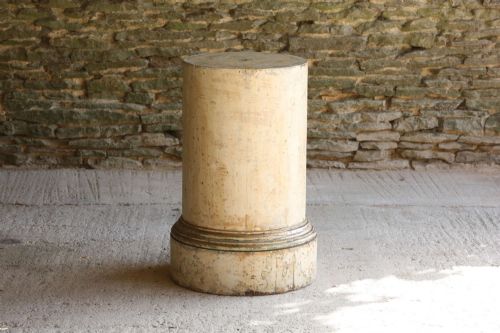
When you search for a georgian sculpture stand, you enter a domain of sturdy pedestals, tall torcheres and triform columns designed to elevate art. These pieces provide a dedicated platform that raises busts and statues to eye level, framing the object within the room.
The versions you are most likely to meet on this page span from substantial mahogany columns to painted timber torchere stands. Makers built these forms to command corners and focal points, drawing the eye upward through disciplined proportions and classical silhouettes.
Materials and construction
Makers relied heavily on solid timber and rich veneers, turning to dense mahogany and walnut for structural integrity. Carvers shaped these woods by hand, adding fluting, triform bases and bold neoclassical detailing.
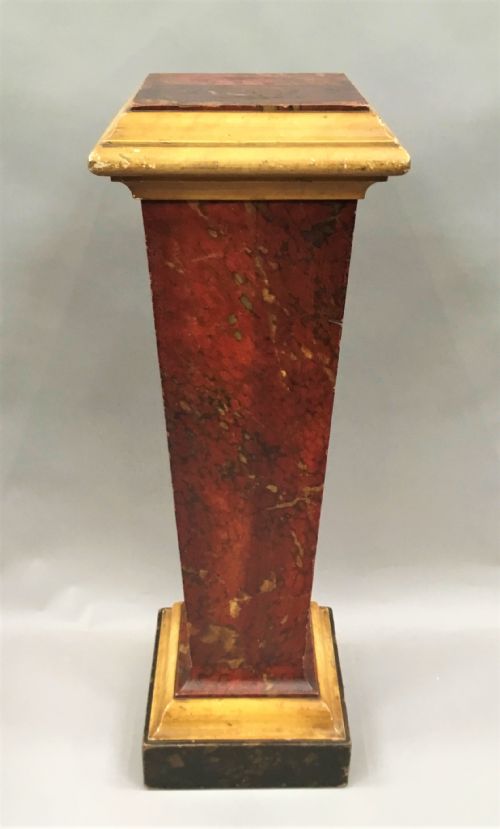
Alternative finishes appear where timber is painted or treated with a simulated faux marble surface to mimic stone. Brass accents and carved bone occasionally surface as decorative highlights on these upright forms.
Georgian Sculpture Stand Retail Price Guide 2026
Typical asking prices for georgian sculpture stand among the pieces listed under this phrase on Sellingantiques today, from the lower quarter to the upper quarter. They describe what is for sale here now, not the wider market.
Judging quality in sculpture stands
Quality rests in the crispness of the carving and the architectural weight of the design. A superior stand demonstrates confident turning, stable joints and timber selected for rich grain rather than hurried construction.
Surface preservation dictates the standing of a piece over time. Original painted finishes, genuine simulated marble treatments and undisturbed patination on mahogany elevate a stand far above later imitations.
Humphrey Hopper
The Georgian Sculpture Stand Glossary
- Pedestal
- A tall upright support used to elevate a sculpture, vase or bust. These structures often feature square or round tops with stepped bases.
- Torchere
- A tall stand or candlestick holder adapted for display use. In this context, it functions as a slender pedestal for lighter sculptural pieces.
- Triform
- A base or column supported by three distinct sides or feet. This configuration provides substantial balance to tall display furniture.
- Neoclassical
- A style drawing inspiration from classical antiquity. It introduces clean lines, symmetry and restrained ornamentation to furniture design.
Georgian Sculpture Stand: Frequently Asked Questions
What is a sculpture stand used for?
A sculpture stand elevates heavy decorative items, busts and vases to optimal viewing height. It places the artwork into the vertical space of a room rather than leaving it on low tables or sideboards.
By lifting the object, the stand frames the piece as a primary focal point. This creates deliberate sightlines and protects vulnerable items from floor-level foot traffic.
How do I style a pedestal at home?
Position a pedestal in an empty corner, beside a fireplace, or at the end of a hallway to anchor dead space. Place a single strong object on top, such as a bronze bust or ceramic urn, to let the silhouette of the stand breathe.
Keep surrounding furniture low so the vertical line of the pedestal remains uninterrupted. Avoid cluttering the base with smaller items that compete with the main display.
How can I tell the period of a stand?
Examine the timber species, construction joints and decorative vocabulary to date the piece. Eighteenth and nineteenth-century examples often employ dense mahogany, hand-turned columns and traditional joinery methods.
Compare the ornamentation against known design movements like the Regency neoclassical style or Baroque carving. Tool marks and surface wear accumulated over generations also offer clues to age.