




Georgian Revival Dresser
These pieces are georgian revival dressers, bringing cabinet-maker form and storage to the home.
Georgian Revival Dresser
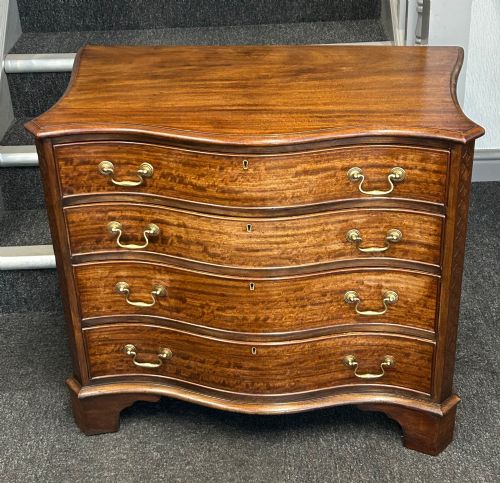
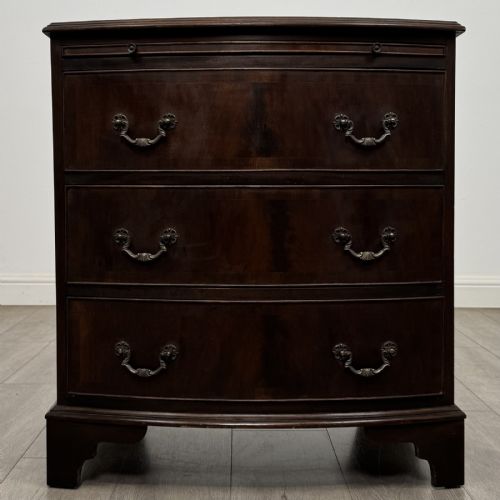
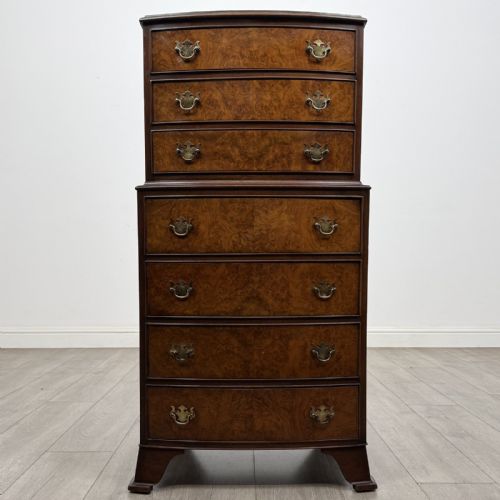
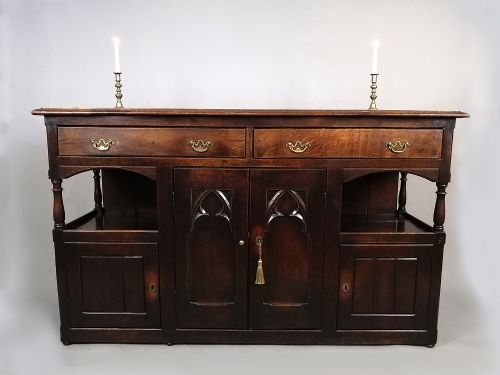
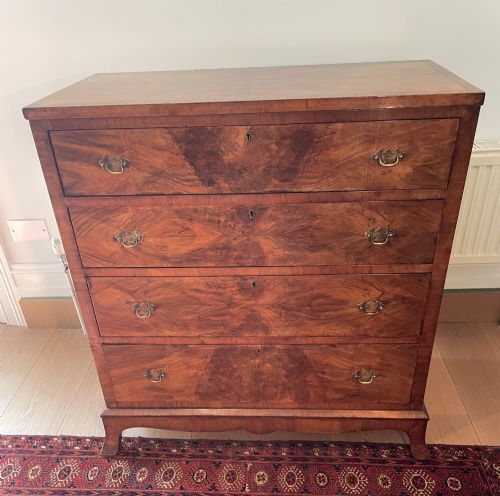
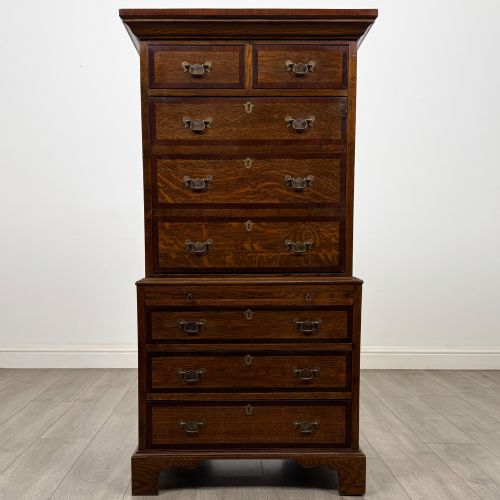
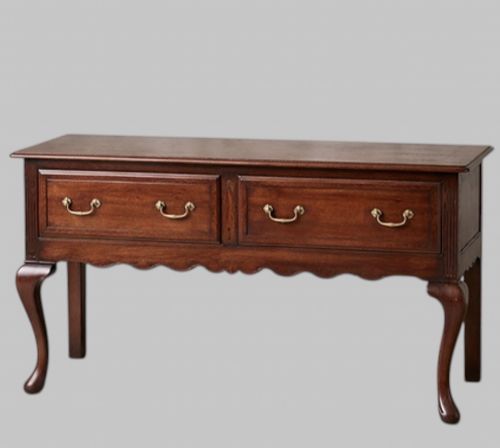
A georgian revival dresser offers the proportion and ornamental vocabulary of earlier centuries adapted for later houses. These forms include chest of drawers, sideboards, console tables, and dresser bases.
The evidence shows periods spanning the late 19th century through the 1930s, alongside Edwardian and George V eras. Pieces often incorporate styles like Chippendale Revival, Queen Anne Revival, and Gothic Revival.
Oak and mahogany dominate the selection, accompanied by walnut, burr walnut, and pine. Common details include serpentine fronts, caddy tops, and block fronts.
How they were made
Cabinet-makers built these items using solid timbers and veneers such as mahogany, oak, burr walnut, and walnut. Secondary woods like pine frequently appear in drawer linings and internal framing.
Decorative elements involve brass hardware alongside inlaid boxwood lines. Painted wood finishes and figured walnut grains also occur across the furniture types.
Georgian Revival Dresser Retail Price Guide 2026
Typical asking prices for georgian revival dresser among the pieces listed under this phrase on Sellingantiques today, from the lower quarter to the upper quarter. They describe what is for sale here now, not the wider market.
Periods represented span from 1890 through the Edwardian era up to the 1930s.
What varies in quality
Construction standards depend on timber selection and cabinet-making execution. Figured veneers and matched grain patterns elevate the visual presence of a piece.
Refined surface carving, crisp boxwood stringing, and well-cast brass handles distinguish finer examples from simpler utilitarian storage furniture.
Whytock & Reid
The Georgian Revival Dresser Glossary
- Caddy top
- A moulded tabletop with a raised central panel or stepped edge. This detail mimics the lids seen on tea caddies of the 18th century.
- Serpentine front
- A furniture front curving outward at the centre and inward at the ends. It requires considerable skill from the woodworker to shape accurately.
- Block front
- A thick cabinet front divided vertically into three sections, with the outer sections raised and the central section recessed. This form provides a robust, sculptural facade.
- Stringing
- Thin inlaid lines of contrasting wood used to outline drawers or tabletops. Boxwood is frequently utilised for this decorative contrast.
- Dresser base
- A low sideboard or cabinet featuring cupboards and drawers without upper shelving. These items function as serving surfaces or storage units.
Georgian Revival Dresser: Frequently Asked Questions
What is a georgian revival dresser?
A georgian revival dresser is a piece of furniture styled after 18th-century designs but manufactured during later periods such as the Edwardian era or the 1920s. These items replicate the proportions, woods, and decorative motifs of earlier decades.
They provide period character while fulfilling modern storage and display needs in domestic spaces.
How are these pieces used today?
These items function primarily as storage furniture or serving surfaces in dining rooms, hallways, and living areas. Chests of drawers hold clothing or linens, while sideboard variants serve dining rooms.
Their substantial timber construction allows them to endure daily domestic use while displaying decorative objects.
Which woods appear most often?
Mahogany and oak form the foundation of the material selection in these listings. Walnut and burr walnut also appear frequently for figured grain effects.
Secondary timbers like pine support internal construction, while boxwood supplies contrasting inlay work.
How do I identify the period?
Period identification relies on examining construction methods, hardware styles, and timber preparation. Edwardian and 1920s pieces often combine revival styling with machine-planed internal timbers.
Stylistic labels in the evidence point towards specific revivals like Chippendale, Queen Anne, or Gothic tastes.