


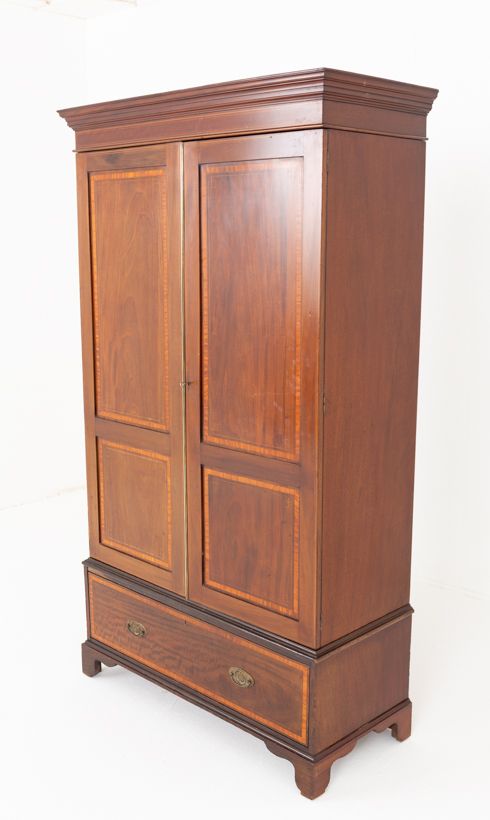
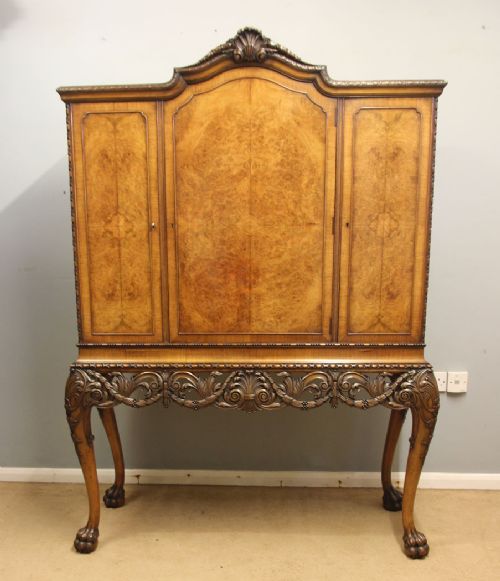
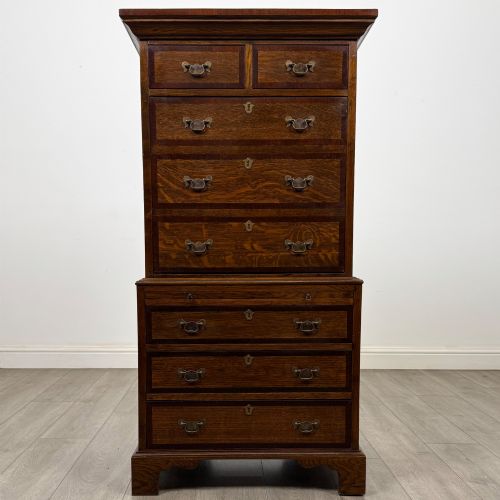
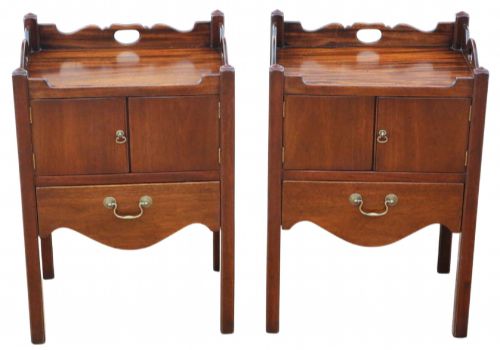
Georgian Revival Cupboard
A georgian revival cupboard brings the classical symmetry and refined timber work of the eighteenth century into later domestic interiors.
Georgian Revival Cupboard
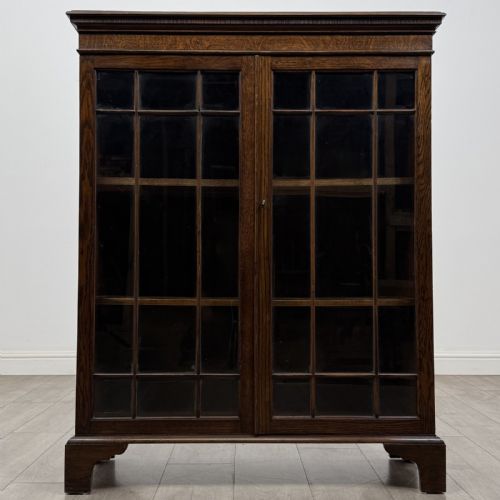
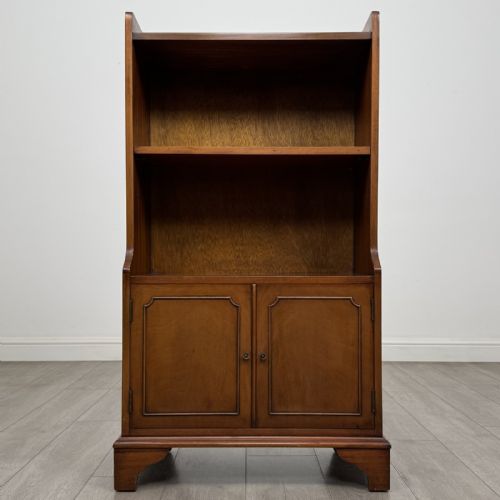
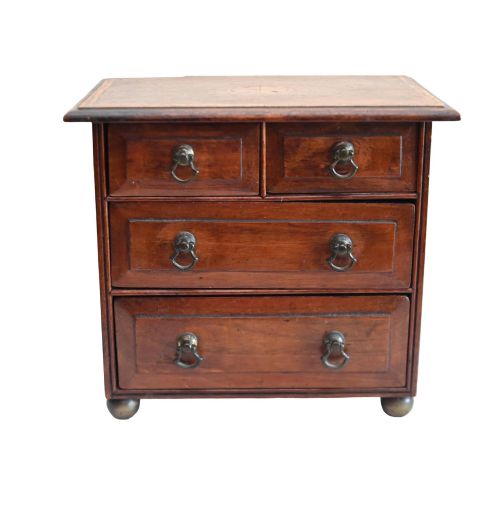
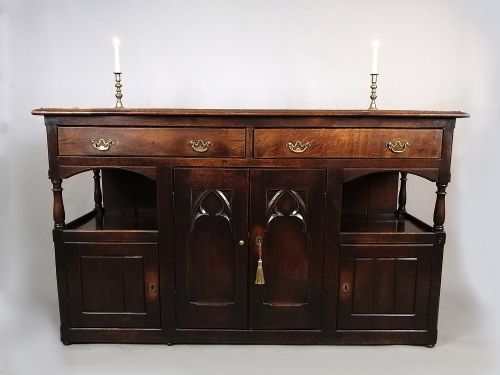
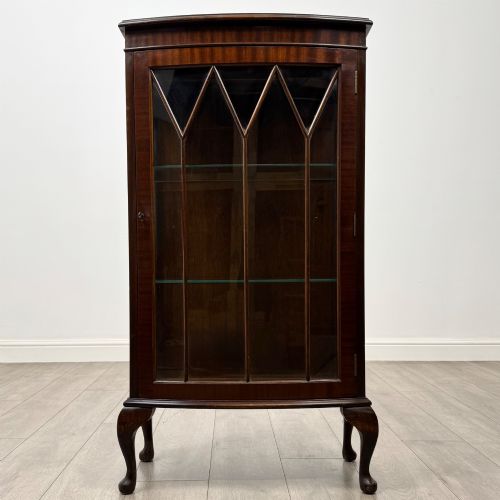
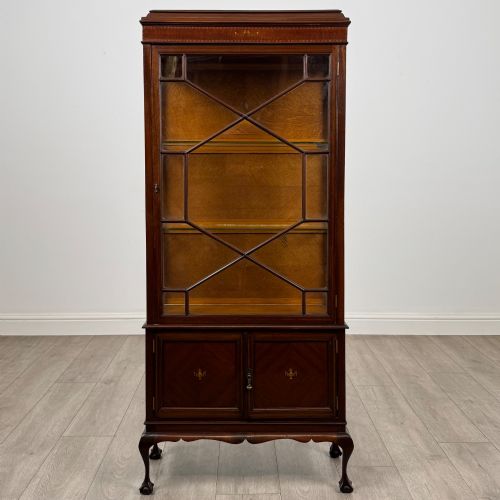
A georgian revival cupboard spans several decades of reinterpretations, drawing upon eighteenth-century proportions while taking the form of display cabinets, bookcases, bedside cupboards, corner cabinets, and wardrobes. Makers working across the nineteenth century, the Edwardian era, and into the nineteen-thirties revisit these earlier vocabulary forms with varying degrees of fidelity to the original aesthetics.
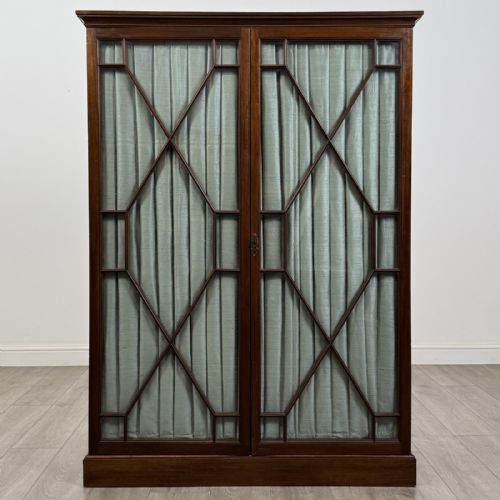
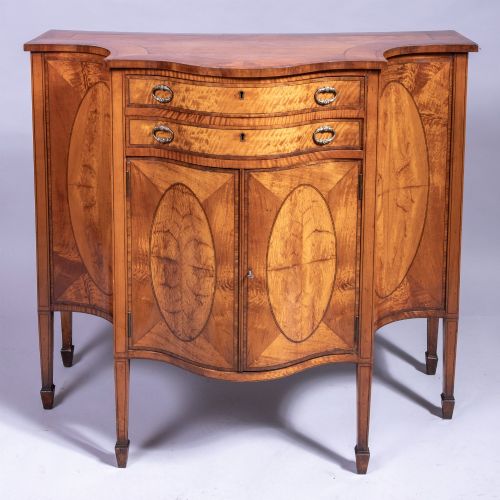
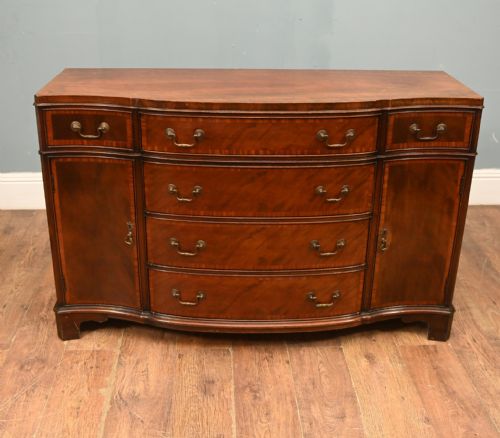
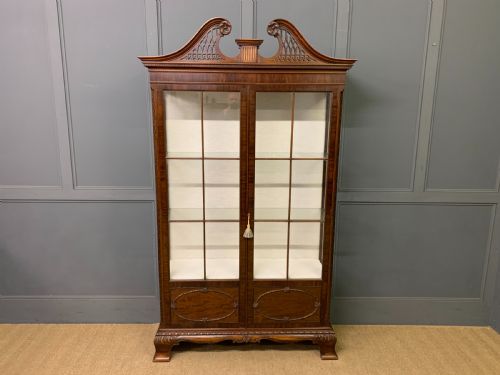
The pieces appearing on this page range from compact bedside tables and corner cabinets to large breakfront bookcases and wardrobes. Display cabinets and bookcases dominate the selection, frequently featuring glazed doors and fine internal shelving designed to showcase collections of china or leather-bound volumes.
Dating evidence places these items primarily in the late nineteenth and early twentieth centuries, alongside occasional pieces attributed directly to the eighteenth century. Styles branch into specific revivals such as Sheraton, Chippendale, Queen Anne, and Gothic, each borrowing particular decorative motifs from the past.
Materials and Technique
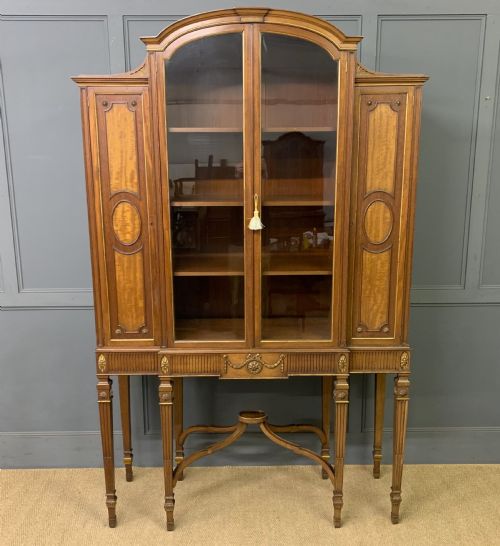
Construction relies heavily on solid mahogany, oak, and walnut, often enhanced with burr walnut veneers, satinwood, and brass hardware. Cabinetmakers select these timbers for their grain patterns and structural stability, applying traditional joinery techniques to frame panels, doors, and drawers securely.
Surface ornament involves intricate marquetry, parquetry, inlay, and painted details, particularly on satinwood pieces reflecting Sheraton influence. Glazing bars organise glass panels in geometric or astragal patterns across doors, while carved details such as claw feet and cabriole legs articulate the stylistic lineage.
Georgian Revival Cupboard Retail Price Guide 2026
Typical asking prices for georgian revival cupboard among the pieces listed under this phrase on Sellingantiques today, from the lower quarter to the upper quarter. They describe what is for sale here now, not the wider market.
Materials recur across the inventory in mahogany, oak, and walnut, frequently paired with contrasting satinwood and burr walnut veneers.
The Spectrum of Quality
Quality rests upon the precision of the cabinetwork, the selection of timber veneers, and the sophistication of the decorative program. Superior examples demonstrate meticulous matching of burr walnut or satinwood grains across primary surfaces, alongside crisp, hand-cut marquetry and well-fitted internal components.
Construction details distinguish standard production from exceptional workshop output. Finer pieces incorporate solid secondary timbers, substantial brass mounts, and integrated architectural elements like raised galleries, hidden compartments, or finely carved mouldings that reflect the capability of documented makers.
Waring and Gillow·Wylie and Lochhead·Edwards and Roberts
The Georgian Revival Cupboard Glossary
- Astragal
- A moulding profile used to divide glass panes within a door. These thin wooden bars create decorative lattice effects typical of display cabinets and bookcases.
- Breakfront
- A piece of furniture where the central section projects forward from the flanking wings. This architectural arrangement creates depth and visual rhythm on large bookcases and sideboards.
- Marquetry
- Decorative veneer work forming pictorial or geometric patterns using various coloured woods. Artisans assemble thin slices of timber into complex designs on cabinet doors and panels.
- Tallboy
- A tall chest of drawers standing upon another chest or a support frame. This vertical storage form maximises capacity while maintaining a compact footprint.
- Parquetry
- Geometric mosaic woodwork used for repeating patterns on tabletops and cabinet fronts. This technique relies on precisely cut tiles of contrasting timber species.
Georgian Revival Cupboard: Frequently Asked Questions
What is a georgian revival cupboard?
A georgian revival cupboard is a piece of furniture made during the nineteenth or twentieth century that copies the proportions, timbers, and decorative styles of eighteenth-century English furniture.
These pieces capture the elegance of earlier eras while serving contemporary domestic storage and display needs.
How do I date a revival cabinet?
Dating relies on examining the secondary timbers, construction methods, screw types, and specific revival style indicators present in the piece. Edwardian and later twentieth-century pieces often combine machine precision with traditional hand-finishing.
Cross-referencing stylistic traits such as satinwood inlay or specific foot forms helps narrow the decade of production.
Where were these cabinets placed?
These cabinets functioned in libraries, drawing rooms, and bedrooms depending on their specific form. Bookcases and display cabinets occupied formal reception rooms to hold books and collections.
Smaller bedside cupboards and corner cabinets provided practical storage in private quarters.
What is satinwood revival furniture?
Satinwood revival furniture uses a pale, exotic timber known for its chatoyant grain, frequently embellished with marquetry and painted motifs. This aesthetic looks back to the late eighteenth-century Sheraton style.
Such pieces are recognised by their light colour and delicate decorative flourishes.