



Georgian Repousse Silver
Georgian repousse silver brings together raised metalwork and functional forms, offering collectors tactile domestic objects shaped by hammers and punches.
Georgian Repousse Silver
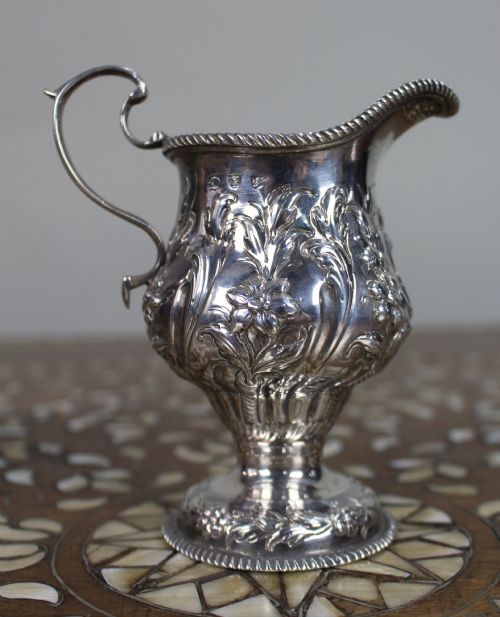
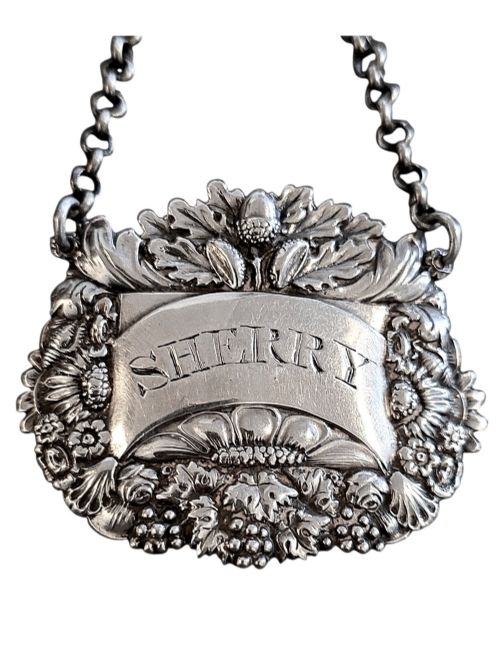
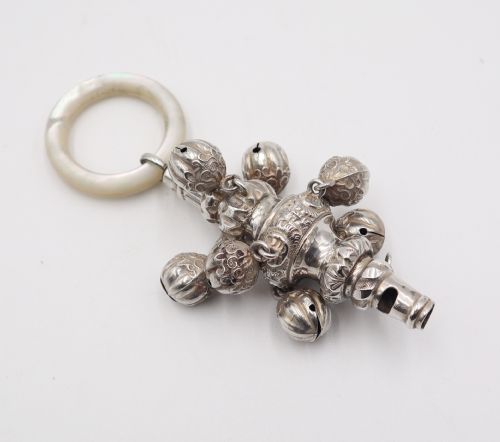
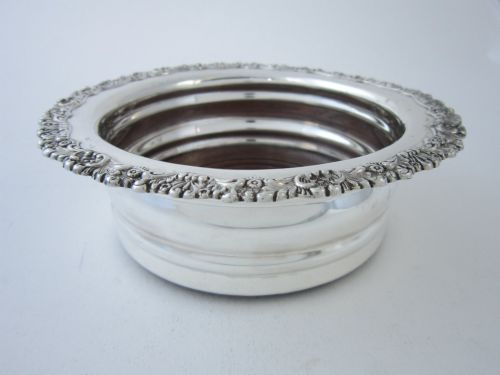
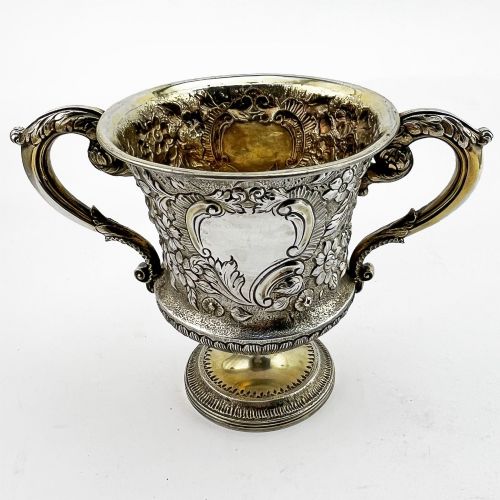
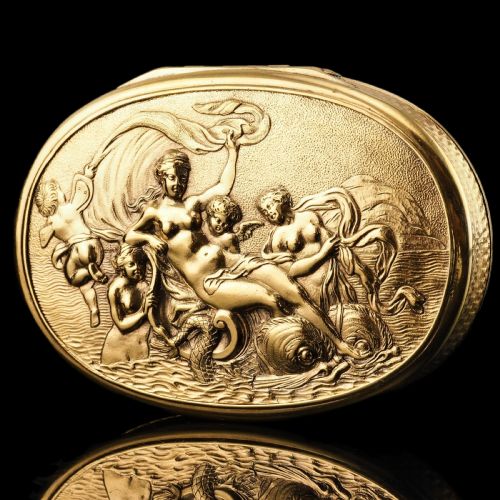
When you search for georgian repousse silver, you encounter functional tableware and personal items produced during the eighteenth and early nineteenth centuries. The selection on this page centres on domestic forms such as cream jugs, snuff boxes, tea caddies, wine coasters, and serving spoons.
The objects span periods from the reign of George II through to William IV, alongside related pieces in Old Sheffield plate. Many items incorporate chased or embossed ornament that pushes the metal outward to form decorative scenes, fruit motifs, or scrolling foliage.
How they were made
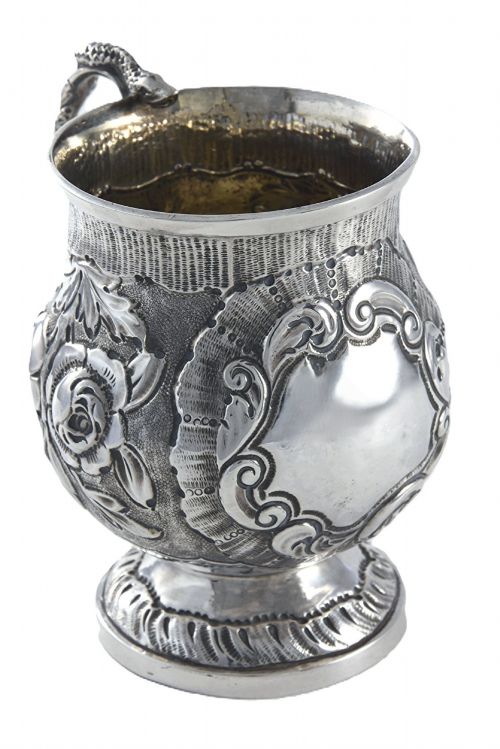
Silversmiths worked sheet metal from the reverse side using hammers and punches to raise the design, a technique known as repousse. They then refined the details from the front by chasing, pressing the metal inward to sharpen contours and add texture.
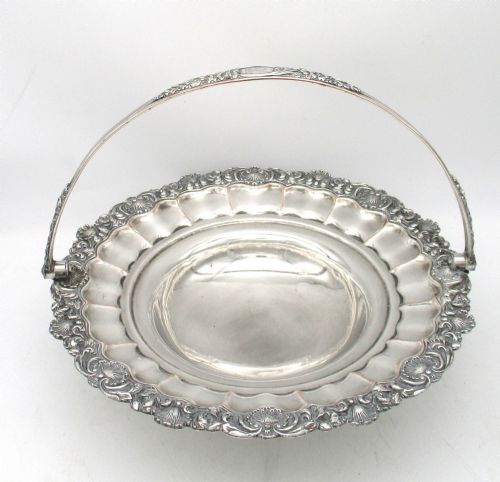
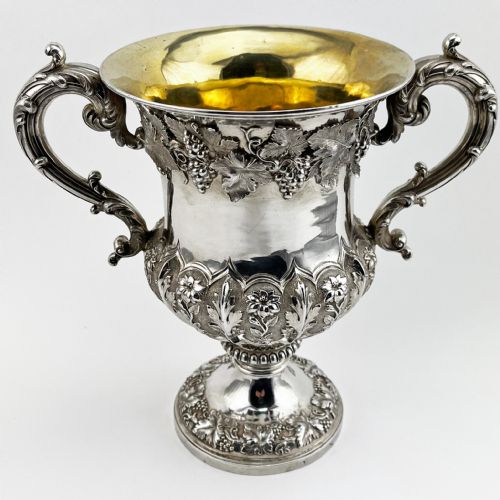
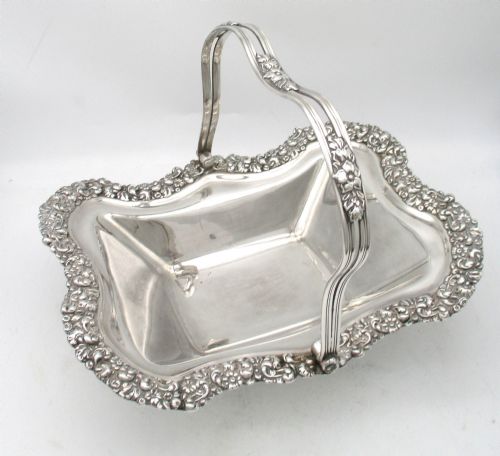
Makers utilised sterling silver and silver gilt, while some domestic items like baskets and tea caddies employed Old Sheffield plate over a copper base. Artisans applied gilding to the interior surfaces of boxes and cups to prevent tarnishing from acidic contents.
Georgian Repousse Silver Retail Price Guide 2026
Typical asking prices for georgian repousse silver among the pieces listed under this phrase on Sellingantiques today, from the lower quarter to the upper quarter. They describe what is for sale here now, not the wider market.
Listings for georgian repousse silver include sterling silver, silver gilt, and Old Sheffield plate across forms like snuff boxes and tea caddies.
What varies in quality
The definition and depth of the raised ornamentation distinguish superior examples from plain work. Skilled silversmiths maintained crisp relief and balanced proportions without thinning the metal walls excessively during the hammering process.
The integration of figural scenes, family crests, or architectural motifs influences the character of each piece. Superior items display careful hand-chasing that preserves sharpness in small details like facial expressions or foliage veins.
William Barrett II·Peter And Anne Bateman·William Chawner II·Edward Power·John Kincard·John Caw·Edward Smith
The Georgian Repousse Silver Glossary
- Repousse
- A metalworking technique where the artisan hammers the design from the reverse side to create a raised motif in relief on the front. This method gives decorative silver surfaces their characteristic three-dimensional depth.
- Chasing
- The process of refining metalwork from the front by sinking lines and adding texture with punches after the initial repousse work. It sharpens the details of leaves, figures, and scrolls.
- Silver Gilt
- Sterling silver that has been coated with a thin layer of gold through a chemical or electrochemical process. It provides a rich golden interior finish for snuff boxes and drinking vessels.
- Old Sheffield Plate
- A composite material made by fusing a thin sheet of silver to a thicker copper core. It was widely used for domestic items like baskets, coffee pots, and tea caddies before electroplating was invented.
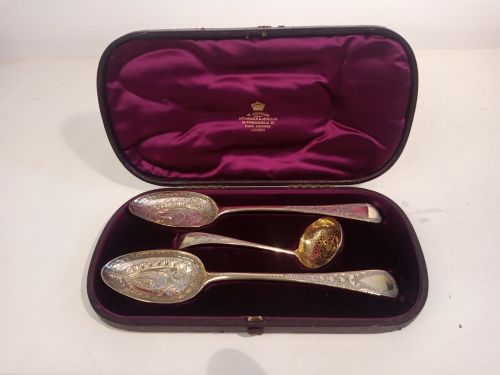
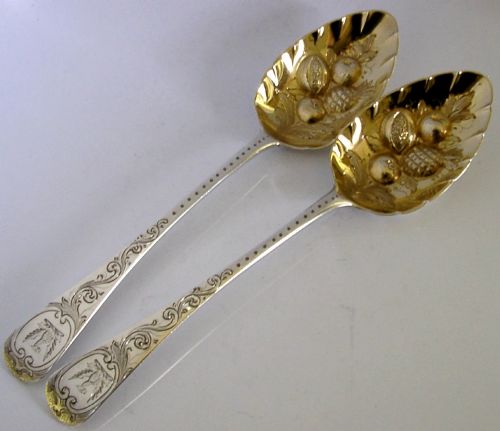
- Berry Spoon
- A serving spoon with fruit and foliage embossed or chased onto the bowl, often added to older spoons during the Victorian era. Sets frequently include a matching sifter.
Georgian Repousse Silver: Frequently Asked Questions
What is georgian repousse silver?
Georgian repousse silver comprises items made between the mid-eighteenth and early nineteenth centuries featuring raised ornamentation hammered from the reverse side.
These pieces include functional tableware, tea caddies, and small personal accessories decorated with floral motifs or figural scenes.
How do I care for silver gilt items?
Silver gilt requires gentle cleaning with a soft cloth and warm soapy water to protect the delicate gold layer on the surface.
Avoid abrasive polishes that can wear away the gilding and expose the silver underneath.
How are berry spoons used?
Berry spoons were traditionally used for serving soft fruits and desserts at the dining table during the Georgian and Victorian periods.
Many examples feature bowls embellished with fruit and leaf motifs added long after the original spoon was forged.
What distinguishes Old Sheffield plate?
Old Sheffield plate is formed by fusing silver and copper together before shaping the metal into items like baskets and coffee pots.
Examining the edges often reveals a thin line of copper where the two metals meet.