


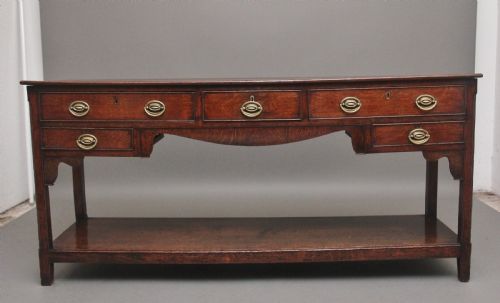
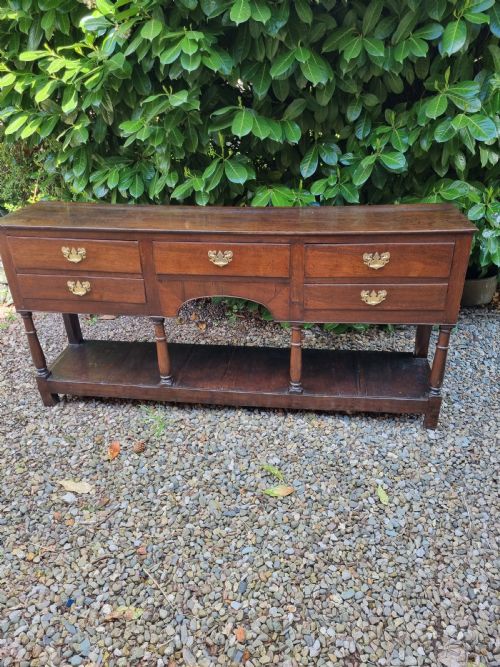


Georgian Pot Board
A georgian pot board offers a robust open shelf beneath the main counter, bringing authentic country utility and warm timber grain into modern kitchens and living spaces.
Georgian Pot Board
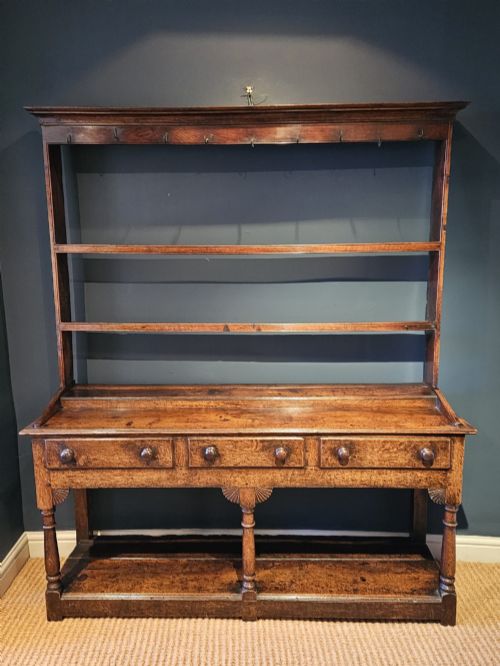
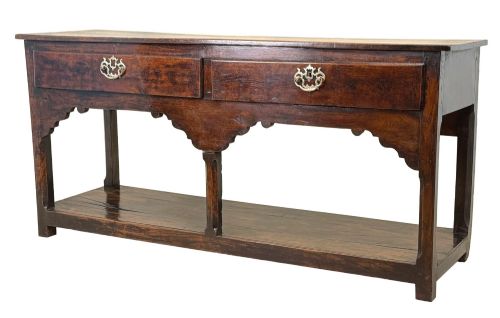
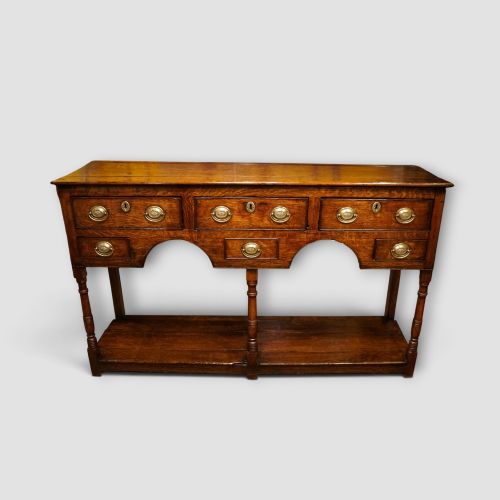
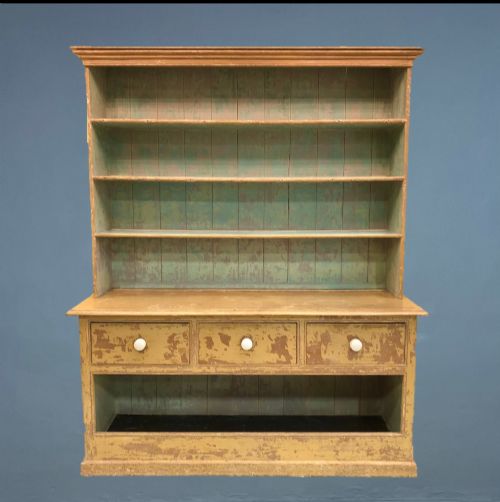
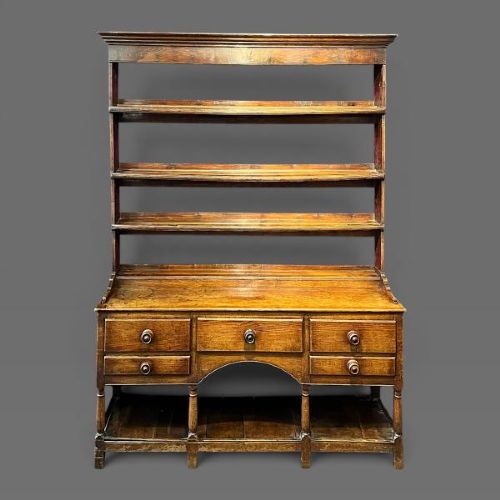
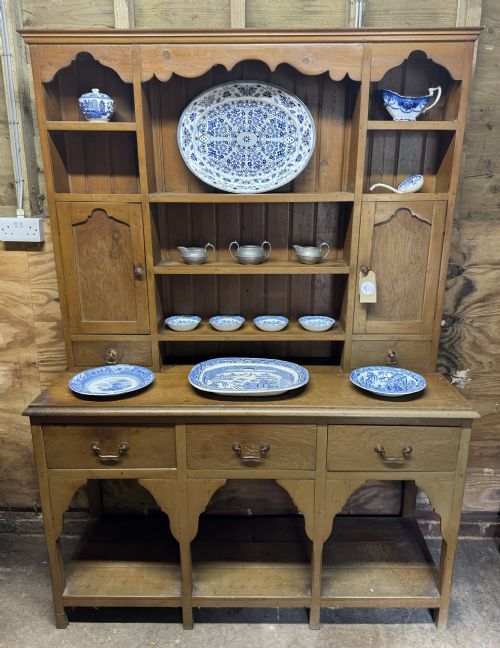
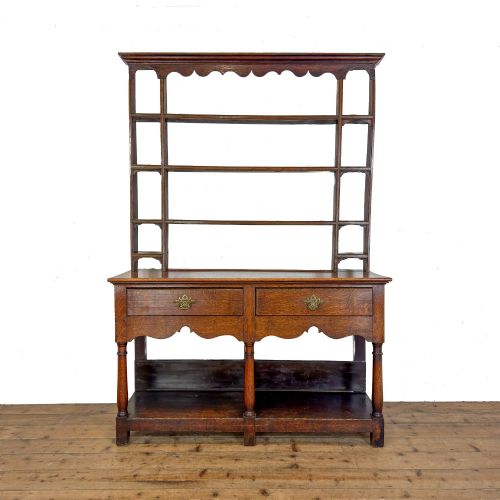
When searching for a georgian pot board, buyers encounter sturdy kitchen dressers, dresser bases, and buffets originating from the eighteenth and nineteenth centuries. These pieces typically feature an open lower shelf, known as the pot board, positioned just above the floor to store domestic cookware and crockery.
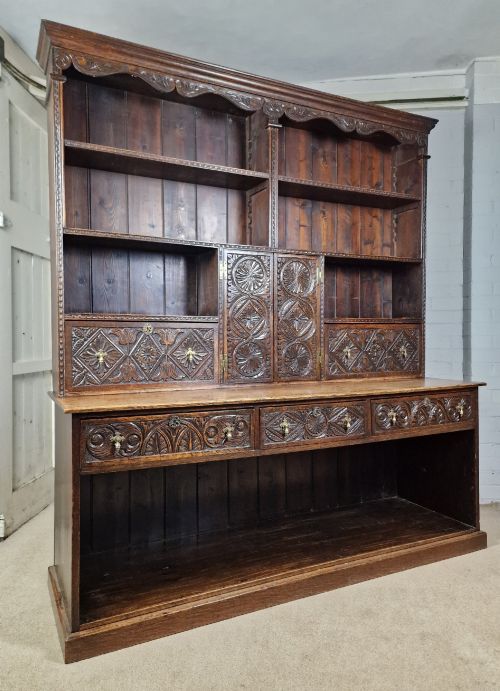
The versions most commonly met on this page span the Georgian and Victorian periods, with significant representation from Welsh vernacular and English country workshops. They range from small cottage dresser bases with original racks to large country house sideboards built for heavy everyday use.
What varies in quality
The distinction between standard utility furniture and superior examples lies in the proportion of the proportions, the depth of the timber's grain, and the preservation of original surfaces. Pieces retaining an untouched honey oak colour or early painted finish command greater interest from collectors.
Structural integrity of the low pot board shelf and the presence of the original plate rack significantly influence the character of a dresser. Refined regional details, such as distinctive drawer arrangements or shaped aprons, elevate pieces beyond plain utilitarian items.
Georgian Pot Board Retail Price Guide 2026
Typical asking prices for georgian pot board among the pieces listed under this phrase on Sellingantiques today, from the lower quarter to the upper quarter. They describe what is for sale here now, not the wider market.
Early makers ensured pots stayed off damp floors by raising them on these sturdy shelves.
The Georgian Pot Board Glossary
- Pot board
- The low open shelf positioned near the floor beneath a dresser base. It provided practical storage for heavy pots, pans, and ceramic vessels in country kitchens.
- Welsh dresser
- A traditional regional form featuring storage drawers and cupboards beneath an optional plate rack. They are typically constructed from local oak or pine.
- Dresser base
- The lower section of a dresser comprising a working counter and storage compartments without the upper shelving rack. Many survive independently today.
- Vernacular
- Furniture built by regional craftsmen following local traditions rather than metropolitan academic designs. These pieces emphasise practical utility and available materials.
- Patina
- The surface sheen and colour acquired by timber through decades of handling, polishing, and exposure to light. Original patination is valued for its authentic appearance.
Georgian Pot Board: Frequently Asked Questions
What is a pot board?
A pot board is the low, open shelf fixed between the lower legs of a dresser. It was designed to keep heavy cookware off damp flagstone floors.
Today, this lower shelf provides an ideal platform for displaying large decorative ceramics or baskets in a dining room or kitchen.
How do I style a dresser?
Living with these pieces involves embracing their rustic origins as working kitchen furniture. They suit modern farmhouse kitchens and traditional living spaces alike.
The deep counter surface accommodates food preparation or appliance storage, while open racks display everyday tableware.
Are these pieces Welsh or English?
Regional attribution depends on construction traits and timber choices. Welsh pieces often display distinct vernacular characteristics and local woods.
English country workshops produced similar forms, frequently incorporating local pine or oak with regional variations in drawer layouts.
How old are these dressers?
The pieces available date primarily from the eighteenth and nineteenth centuries, spanning the Georgian and Victorian eras. Exact dating relies on construction methods and timber characteristics.
Earlier examples from the seventeen-fifties and seventeen-sixties often exhibit hand-carved details and pegged joinery typical of the period.