
Georgian Portrait Frame
Discover a Georgian portrait frame housing period oil paintings, silhouettes, and mezzotints that capture historical likenesses.
Georgian Portrait Frame
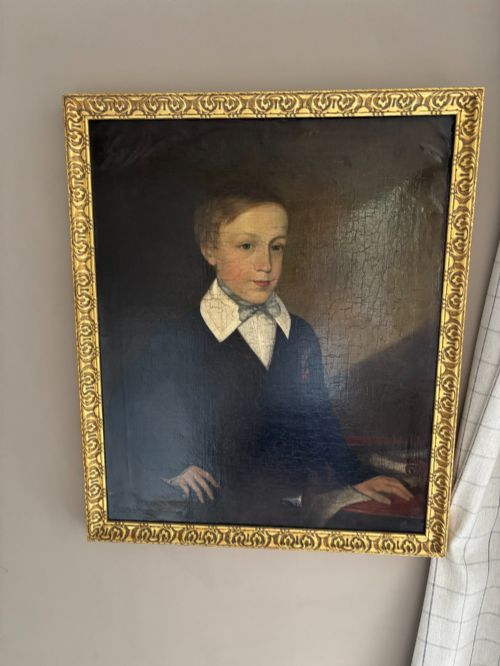
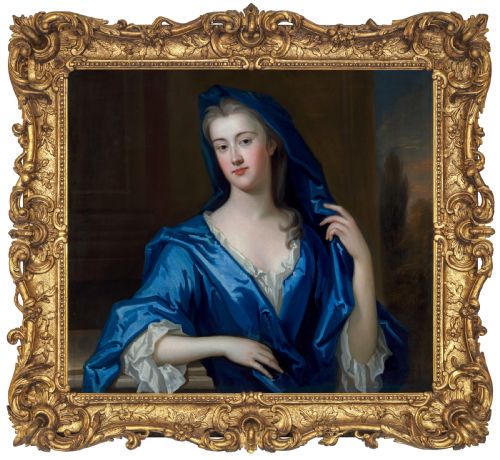
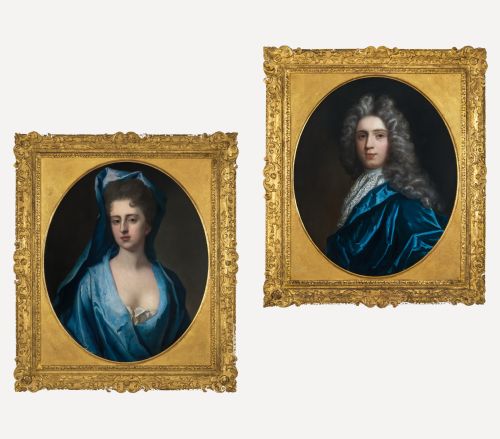
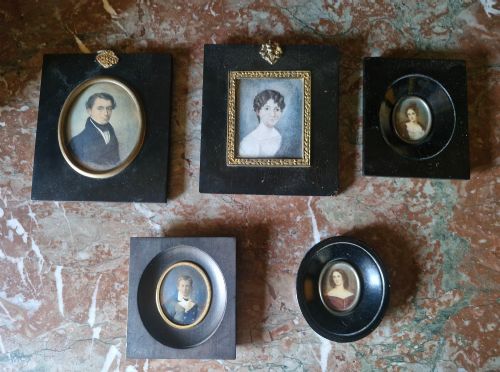
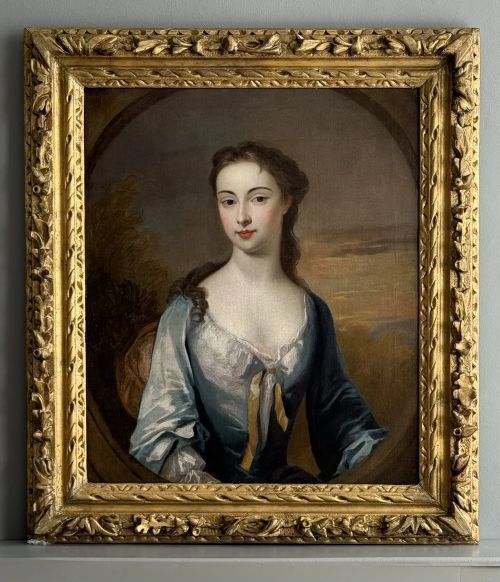
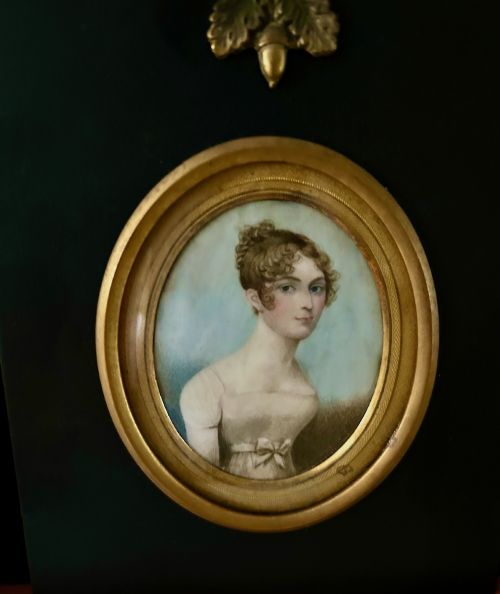
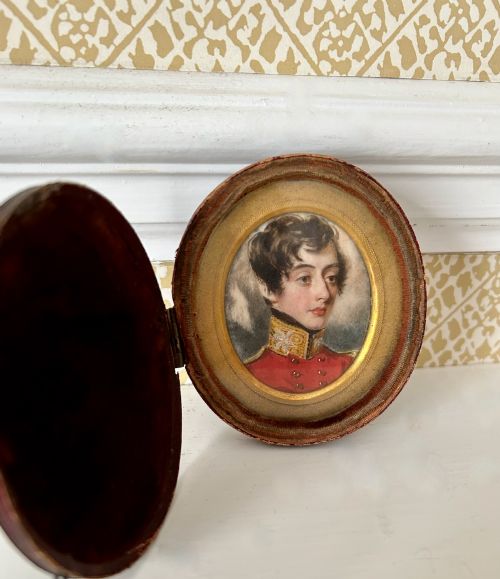
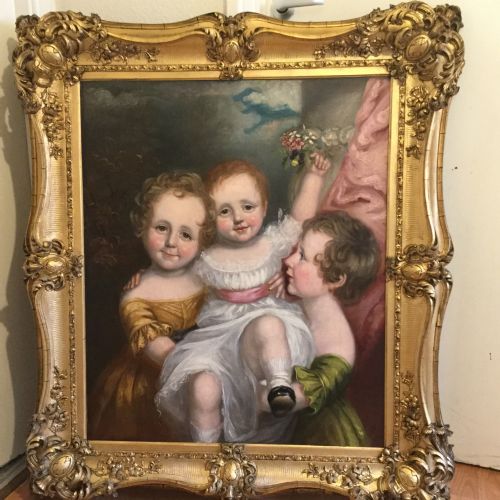
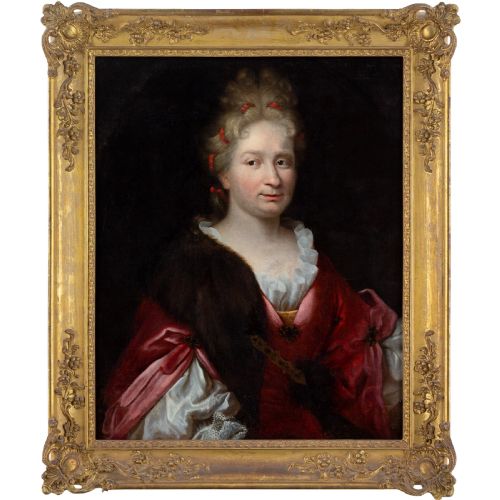
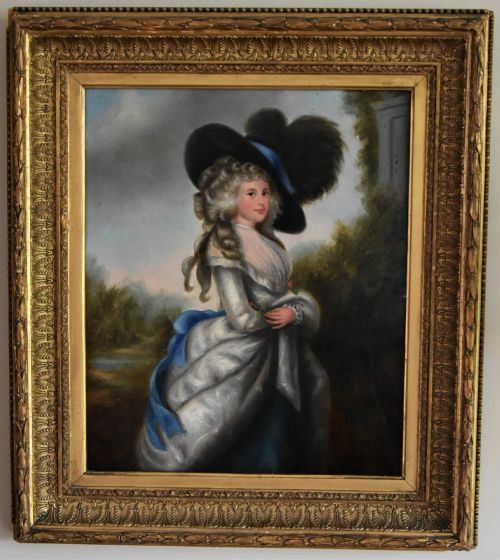
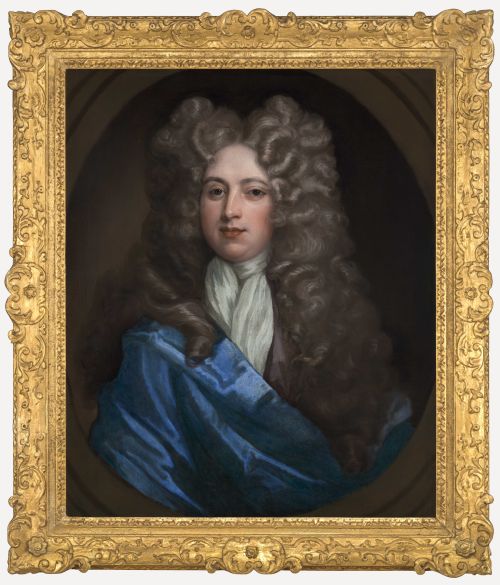
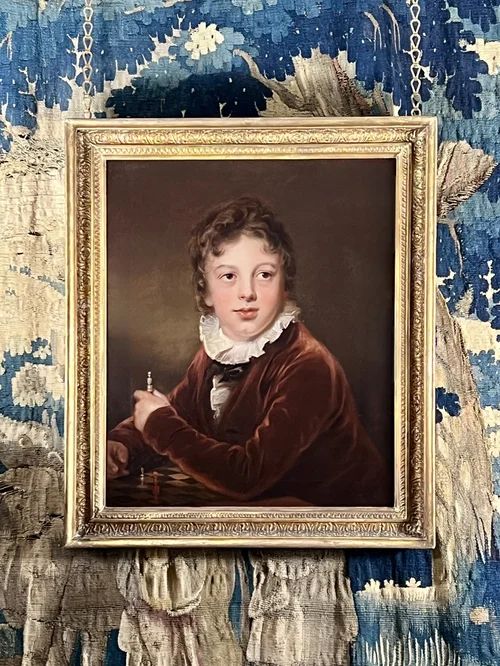
A georgian portrait frame encompasses historic enclosures for painted oils, watercolours, silhouettes, and prints from the eighteenth and nineteenth centuries. These pieces present likenesses of sitters ranging from aristocracy to children, preserved in wood, glass, and metal.
Origins span British and Northern European schools, reflecting the decorative tastes of the Georgian and Regency eras. Buyers encounter everything from grand aristocratic canvases to intimate domestic ink drawings.
How They Were Made
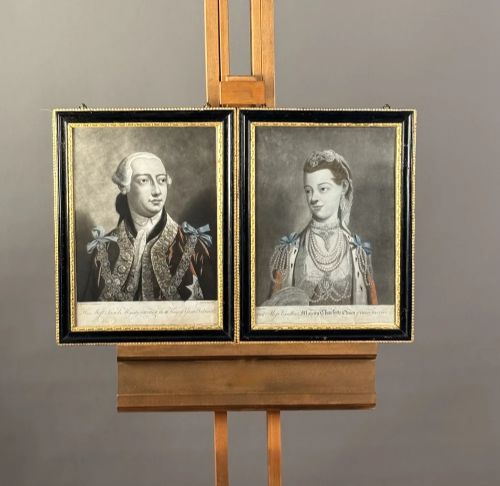
Makers constructed these enclosures using seasoned hardwoods such as ebony, pear wood, and rosewood, alongside carved giltwood moulding. Glass protected delicate paper works like watercolours, silhouettes, and stipple engravings from atmospheric damage.
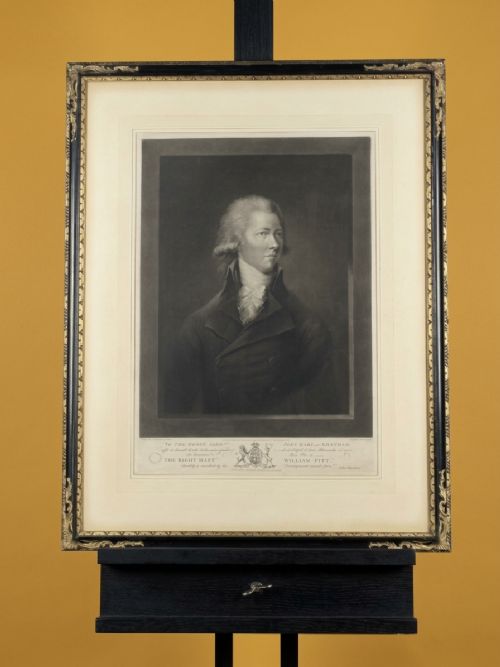
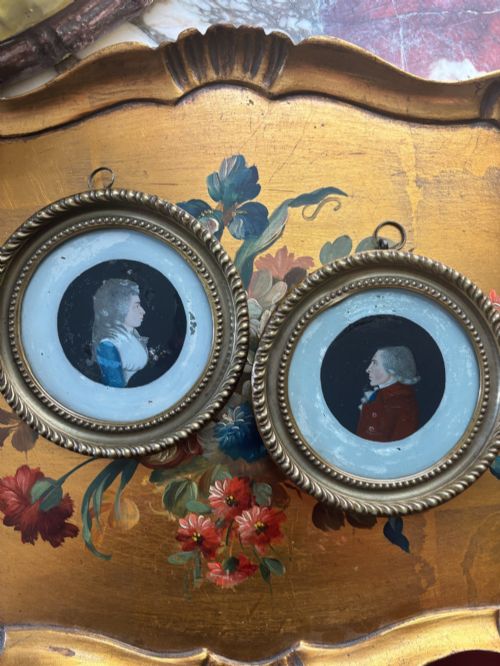
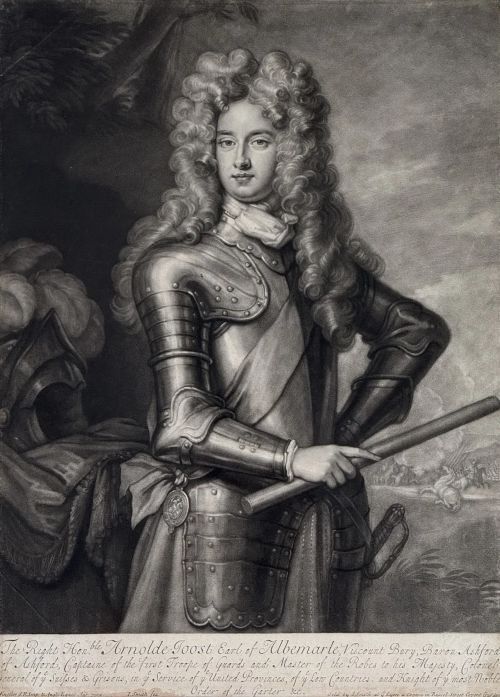
Artists applied oil paints to canvas or panel, while printmakers utilised mezzotint and stipple engraving techniques on paper. Silhouettes involved precise hand-cutting of paper, occasionally enhanced with watercolour, ink, or reverse painting on glass.
Several silhouettes capture domestic companions, including a girl with her dog and another holding a pet bird.
What Varies In Quality
Originality of the surround matters greatly, with period-matching giltwood or ebonised frames holding higher regard than later replacements. The preservation of the glass, paper, or canvas surface without extensive modern restoration preserves historical integrity.
Sir Godfrey Kneller·Charles Jervas·Michael Dahl·Sir Joshua Reynolds·William James Hubard·John Boydell·James Watson·Jean-Baptiste Van Loo·Joseph Clover·Francesco Bartolozzi·Sir Martin Archer Shee·John Smith·James Sharples·Henry Bone·George Willison·John Opie·Jeremiah Davison·Thomas Murray·Lemuel Francis Abbott
The Georgian Portrait Frame Glossary
- Mezzotint
- A printmaking process where the copper plate is roughened to achieve rich tonal gradations and dark backgrounds. This technique was widely utilised for reproducing grand oil portraits in the eighteenth century.
- Silhouette
- A profile portrait cut from black paper or painted onto card, glass, or plaster. Regency examples often display fine hand-cut detail heightened with gold watercolour.
- Giltwood
- Wood carved and coated with a thin layer of gold leaf over a prepared gesso ground. It provided a bright, reflective border popular for formal portraiture.
- Stipple engraving
- A method of producing prints by means of dots rather than continuous lines, allowing subtle transitions of light and shade. Francesco Bartolozzi popularised this method for portraiture during the period.
- Reverse painting on glass
- An image applied directly to the rear side of a glass panel so the finished work is viewed through the transparent front. This fragile technique protected delicate pigments from dust and moisture.
Georgian Portrait Frame: Frequently Asked Questions
Are these frames original to the portraits?
Many portraits retain their original surrounds, such as carved giltwood or ebonised pear wood fitted during the eighteenth or nineteenth century. Collectors value pieces that have remained together since creation.
Over the centuries, some works were reframed to suit changing domestic interiors. Inspecting the rebate and fixings helps determine if the pairing is period-correct.
How do I care for antique paper silhouettes?
Paper silhouettes and watercolours require protection from direct sunlight to prevent fading of the ink and paper stock. Stable indoor humidity stops the organic materials from warping.
Glazed pieces should remain sealed to keep out dust and atmospheric pollutants. Professional framing conservators use acid-free backing boards for long-term preservation.
What is the difference between an oil and a mezzotint?
An oil painting is a unique, hand-painted artwork created with pigmented oils on stretched canvas or wooden panel. Each brushstroke is singular to the artist.
A mezzotint is an intaglio print created from a copper plate, allowing multiple impressions to be published after an original painted portrait. Prints brought famous likenesses into broader domestic circulation.
How can I date a portrait frame?
Dating relies on the construction methods, wood types, and decorative motifs characteristic of periods like the Georgian or Regency eras. Hand-cut mitres, original gilding layers, and backboards offer strong chronological clues.
The style of the portrait inside often corresponds to the fashion of the frame's production date.