




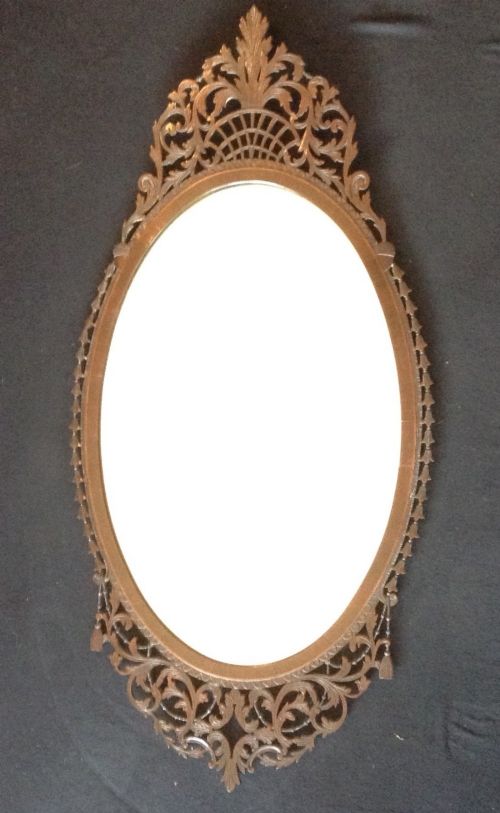
Georgian Pierced Mirror
A georgian pierced mirror brings fluid architectural rhythm and carved depth to any room through masterly fretwork and gilded detail.
Georgian Pierced Mirror
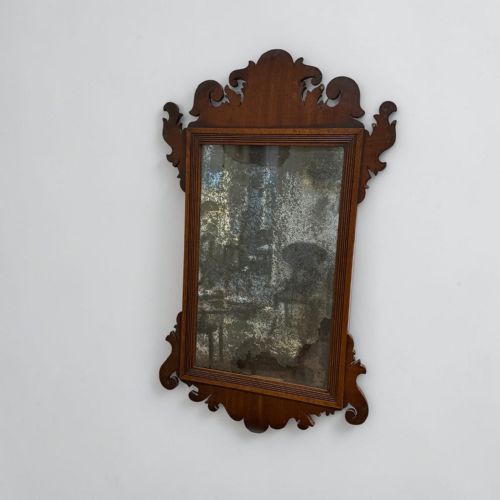
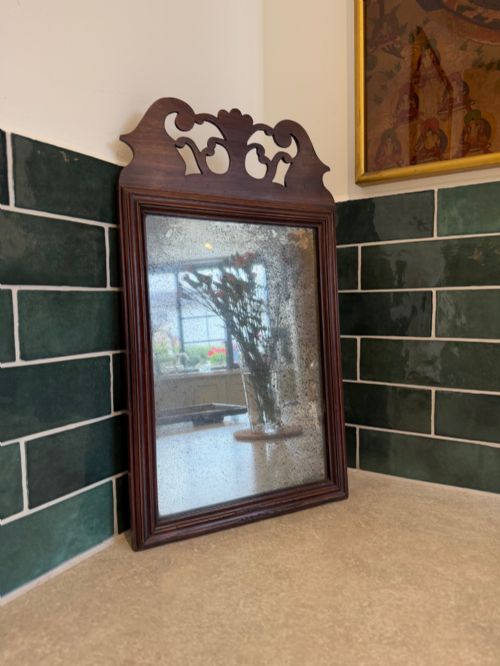
When you search for a georgian pierced mirror, you encounter wall mirrors shaped by the 18th Century aesthetic of pierced fretwork and carved frames. These pieces originate across the Georgian and George III eras, alongside later revivals from the 19th Century and around 1900.
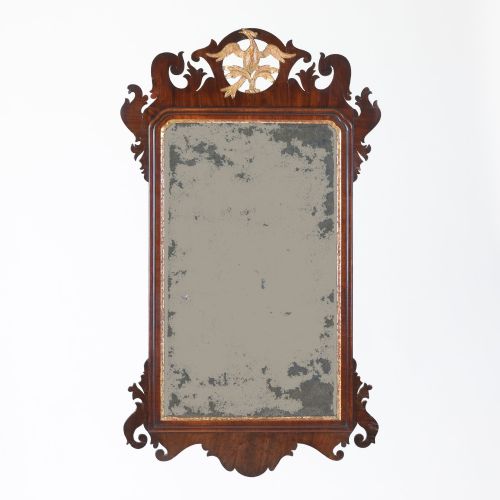
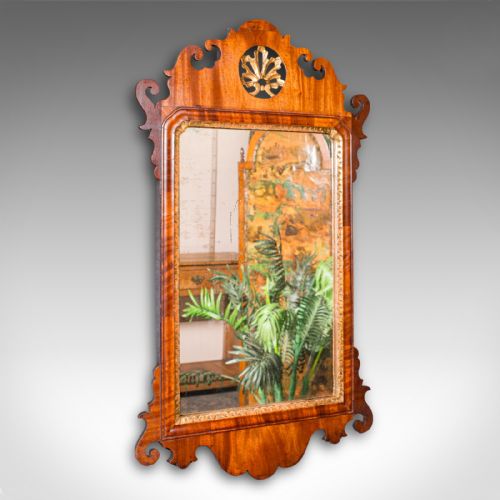
The form primarily appears as a wall mirror with a distinctive pierced silhouette, often incorporating mahogany or giltwood. Mahogany examples frequently display intricate fret-cut borders, while giltwood versions lean into elaborate Rococo and Chippendale styling.
You are most likely to meet mahogany fretwork designs alongside carved giltwood pieces on this page. These wall mirrors served traditional roles in reception halls, morning rooms, and bedrooms.
How they were made
Makers fashioned these frames using solid mahogany, carved wood, and gesso applied to a wooden base before applying gold leaf. Artisans utilised hand-carving techniques to shape complex openwork fret patterns and organic motifs directly into the timber.
Giltwood versions relied on delicate layers of gesso to capture sharp relief detail beneath the gold leaf finish. Bleached wood examples present a lighter natural timber tone achieved through careful surface preparation of the carved wood.
Listings feature wall mirrors spanning the 18th Century, 1880, and around 1900, constructed from mahogany, giltwood, and bleached wood.
What varies in quality
The distinction between tiers of quality rests upon the crispness of the hand-carved detail within the pierced fretwork. Superior examples exhibit deep, fluid carving where the open spaces maintain precise geometry and clean interior edges.
Surface finishing further separates the standard of the piece, particularly in the application of gold leaf over gesso or the natural grain selection in mahogany. Refined execution in the scrolling elements and figurative additions, such as the Ho-ho bird, defines the upper range.
The Georgian Pierced Mirror Glossary
- Fret-cut
- Woodwork pierced or cut through with a fretsaw to create decorative openwork patterns. This technique defines the characteristic silhouette of many mahogany wall mirrors.
- Giltwood
- Timber coated with gold leaf over a prepared gesso ground. This finish provides the bright reflective surface seen on Rococo and Chippendale frames.
- Gesso
- A plaster-like mixture applied to wood surfaces as a base for gilding. It allows craftsmen to model sharp decorative details before applying gold leaf.
- Chippendale
- An 18th Century design style associated with Thomas Chippendale, featuring asymmetrical scrollwork, naturalistic motifs, and intricate fretwork. It heavily influences the carved giltwood and mahogany pieces in this group.
- Rococo
- An ornate artistic style characterised by shellwork, C-scrolls, and asymmetrical organic forms. This style shapes the elaborate frames found in mid 18th Century mirrors.
Georgian Pierced Mirror: Frequently Asked Questions
Where were these mirrors hung?
These mirrors traditionally hung in reception halls, morning rooms, and bedrooms of period homes. They served as both decorative centerpieces and functional items for grooming and reflecting light.
Their substantial presence made them suitable focal points above mantelpieces or console tables. Today, they occupy similar prominent wall spaces in domestic interiors.
What is a Ho-ho bird?
A Ho-ho bird is a stylized phoenix motif frequently carved into the crest of mid 18th Century mirrors. It draws from Chinese decorative arts popular during the height of the Chinoiserie taste.
This mythical creature appears perched at the top of fretwork frames, adding height and narrative detail to the silhouette.
How do mahogany and giltwood differ?
Mahogany mirrors showcase the deep, dark grain of natural hardwood, often shaped with precise fret-cut outlines. They reflect a classic architectural aesthetic tied to Georgian cabinet-making.
Giltwood mirrors feature carved wooden frames covered in gold leaf, providing a brilliant metallic finish. They generally display more flamboyant Rococo scrolling and organic motifs.
Are later revivals common?
Later revivals from the 19th Century and around 1900 frequently replicate earlier 18th Century forms. Makers during these periods adopted classic Chippendale and George III styles using traditional materials like carved wood and mirror glass.
These pieces maintain the aesthetic vocabulary of the Georgian era while reflecting the craftsmanship of their actual date of production.