

Georgian Pewter
Georgian pewter brings tangible 18th-century domestic and ecclesiastical history into your home through durable metalware objects.
Georgian Pewter
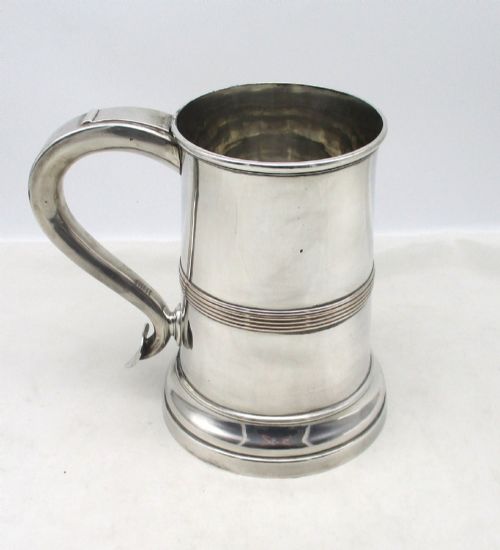
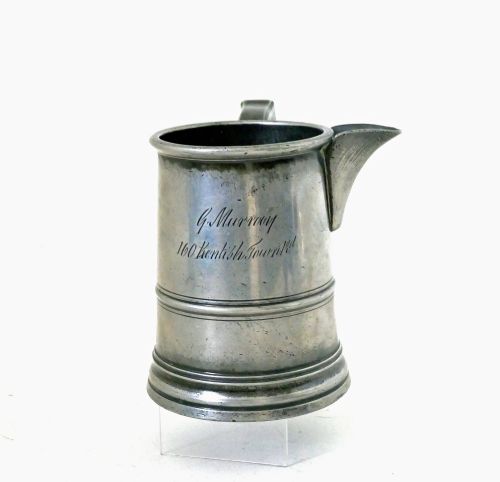
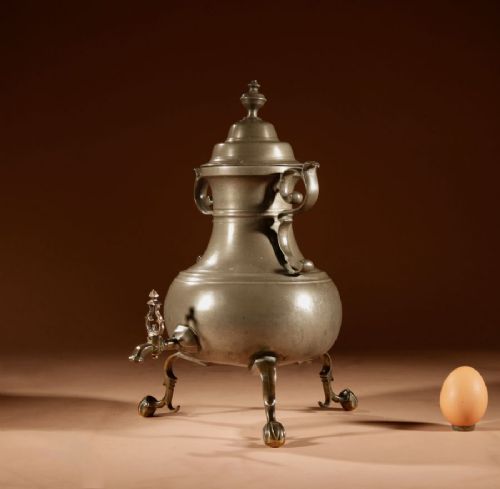
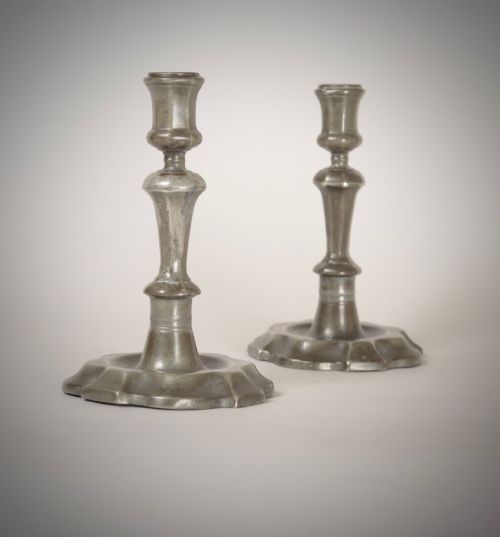
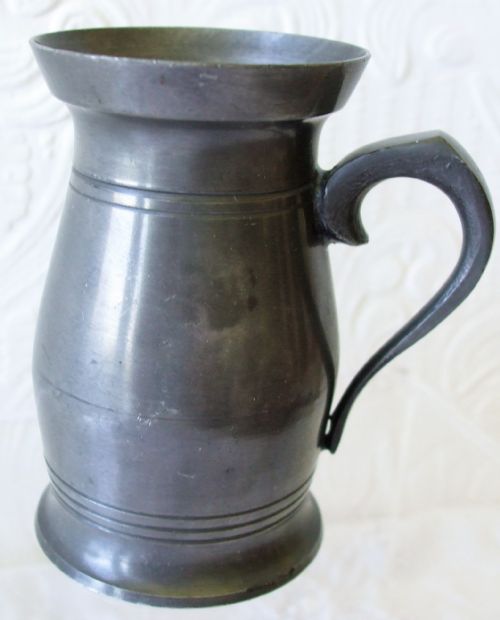
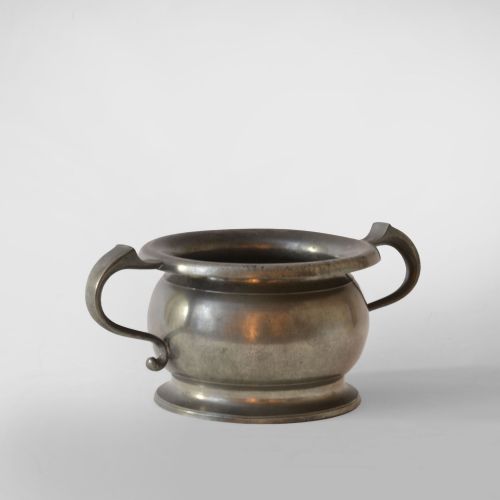
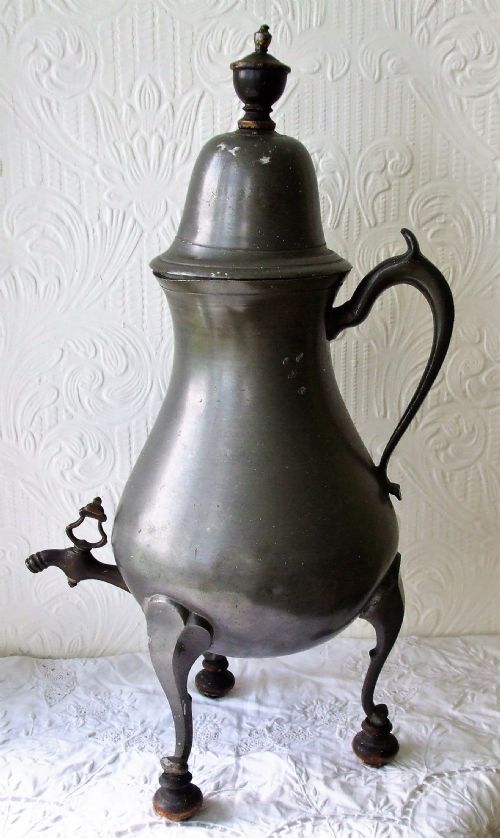
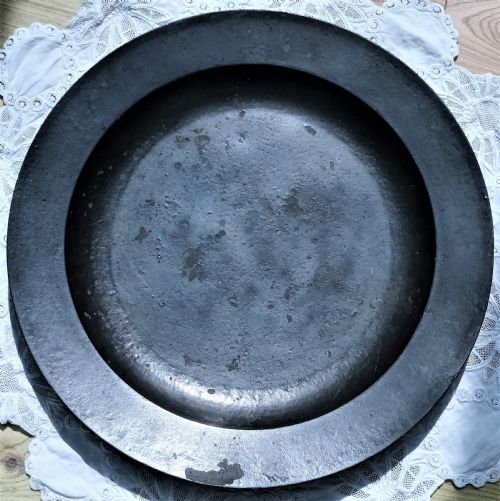
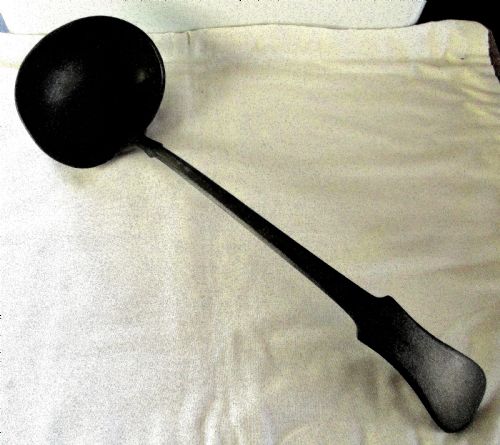
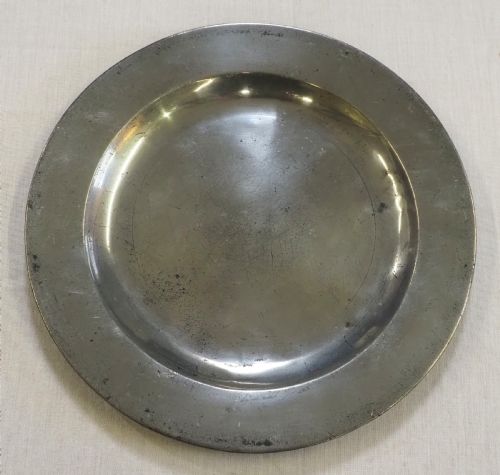
When you search for georgian pewter, you encounter a varied selection of domestic and institutional metalware originating primarily from the eighteenth century. The offerings on this page encompass everyday functional forms such as plates, chargers, measures, tankards, and flagons alongside domestic accessories like candlesticks and inkwells.
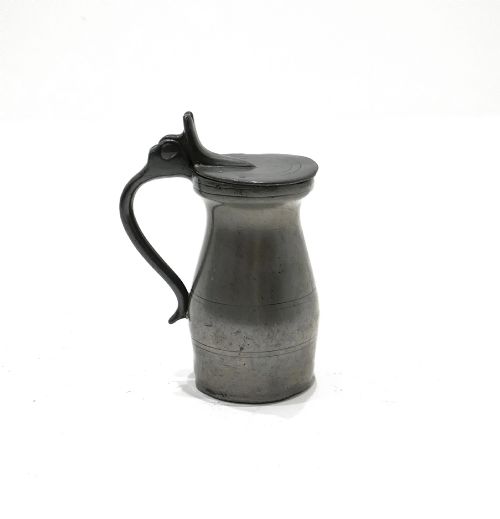
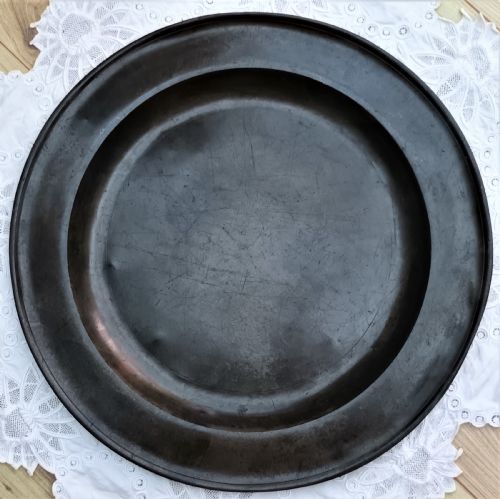
Makers shaped these utilitarian items for dining, drinking, and household organisation. You are likely to meet chargers with plain rims, lidded spirit measures of specific capacities, and church flagons bearing regional hallmarks or heraldic engravings.
Originating largely from English, Irish, Scottish, and Dutch workshops, these pieces reflect the domestic habits and tavern life of the period. Their survival in varied states of preservation demonstrates both their robust original construction and their enduring utility over centuries.
Alloys and casting techniques
Makers formed georgian pewter primarily through the casting of an alloy composed chiefly of tin combined with lead, copper, or bismuth to achieve durability. Artisans poured molten metal into brass, stone, or iron moulds, then turned the cooled pieces on a lathe to refine the thickness and smooth the surfaces.
Makers assembled larger vessels, such as flagons and tankards, by soldering together individually cast body sections, handles, and spouts using lower-melting-point solder. They frequently applied touchmarks, hallmarks, and ownership crests using steel punches and hand-engraving tools directly onto the finished metal.
Georgian Pewter Retail Price Guide 2026
Typical asking prices for georgian pewter among the pieces listed under this phrase on Sellingantiques today, from the lower quarter to the upper quarter. They describe what is for sale here now, not the wider market.
Listings feature items spanning the eighteenth and nineteenth centuries, incorporating materials such as pewter, copper, Old Sheffield Plate, and oak.
Subtleties of standard and preservation
The standard of georgian pewter depends upon the integrity of the original form and the crispness of any touchmarks or armorial engravings. Pieces that retain their correct weight, original touchmarks from recorded makers, and minimal surface pitting command greater regard.
Alterations, heavy scouring, or the loss of fitted lids detract from the integrity of a vessel. The clarity of cast details, such as crests and maker stamps, separates ordinary utility items from those produced by skilled urban workshops.
John Duncomb·Samuel Smith·W.Scott·T & H Compton·James Spackman·Richard King·Wood & Michell·John Heaney·Humphrey Evans II·Robert Iles·Burgum & Catcott
The Georgian Pewter Glossary
- Touchmark
- The stamped signature or emblem applied by a pewterer to guarantee the alloy standard and identify the workshop. These marks serve as the primary tool for dating and attributing pieces.
- Charger
- A large circular plate utilised for serving meat or displaying wealth at the dining table. They form some of the heaviest surviving domestic pewter items.
- Flagon
- A tall drinking vessel with a handle and lid, frequently utilised for ecclesiastical or tavern service. Examples often feature spouts and thumbpieces.
- Tappit Hen
- A traditional Scottish form of lidded drinking measure with a distinctive knob on the lid resembling a nesting hen. Capacities correspond to specific regional volume standards.
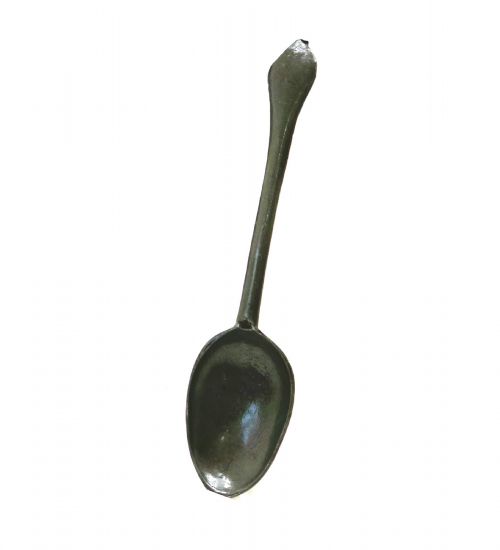
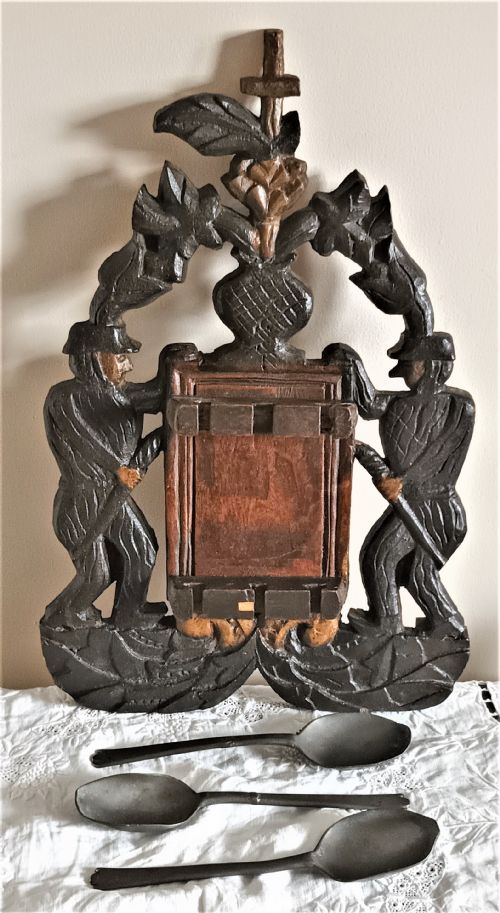
- Trefid spoon
- An early dining implement featuring a flat, three-lobed terminal handle popular during the late seventeenth and early eighteenth centuries. They occasionally appear mounted in wooden display racks.
Georgian Pewter: Frequently Asked Questions
What is georgian pewter made of?
Georgian pewter is a metal alloy composed predominantly of tin, mixed historically with varying proportions of lead, copper, or antimony to increase strength and malleability.
Makers adjusted these metal ratios depending on whether the vessel was intended for food service or general household use.
How do I clean antique pewter?
Antique pewter requires minimal intervention and should generally be cleaned only with warm water and mild soap, followed by thorough drying with a soft cloth.
Avoid modern metal polishes, as abrasive compounds remove the aged surface patina and can obliterate faint touchmarks.
How can I date a pewter piece?
You can date pewter by examining the style of the handle, the rim profile, and any touchmarks stamped directly into the metal surface.
Matching these marks against historical maker records provides the most reliable window of production.
Were these items used for dining?
Plates, chargers, and dishes formed the standard tableware for wealthy households and taverns before the widespread adoption of porcelain and creamware.
Over time, softer metal tableware accumulated knife scratches and wear from daily washing and use.