



Georgian Period Standing Cupboard
These georgian period standing cupboard pieces range from corner cabinets to bookcases, offering timber storage shaped by 18th century and Regency hands.
Georgian Period Standing Cupboard
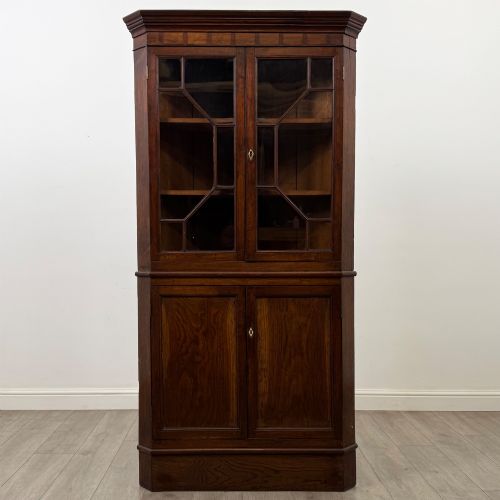
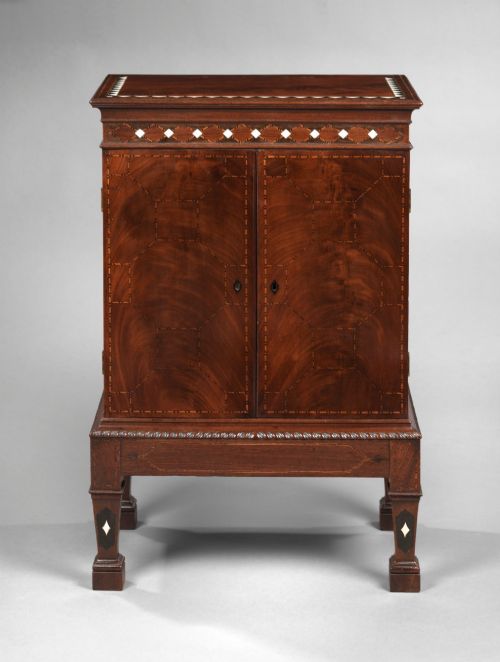
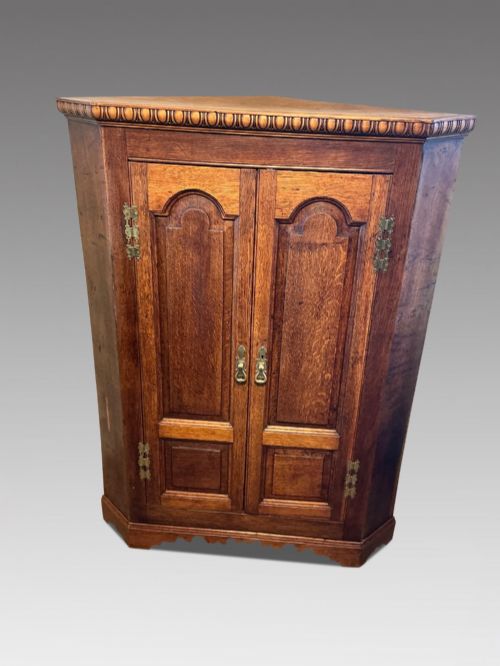
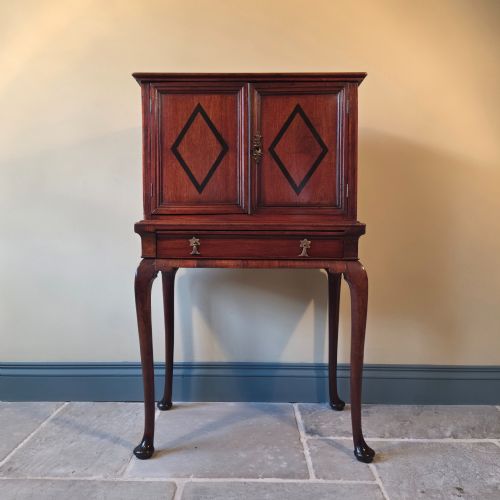
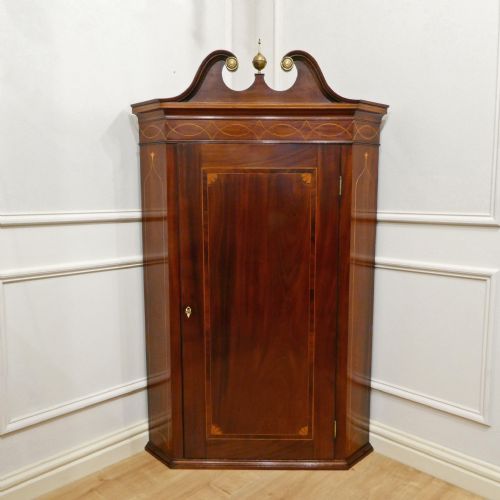
A georgian period standing cupboard provides upright storage across various forms, including corner cabinets, bookcases, and cabinets on stands. These pieces establish a physical presence in a room, designed to utilise vertical space efficiently.
The selections here span the Georgian era, George III period, Regency, and into the 19th century. Oak and mahogany dominate the offerings, occasionally accompanied by satinwood, harewood, or softwood.
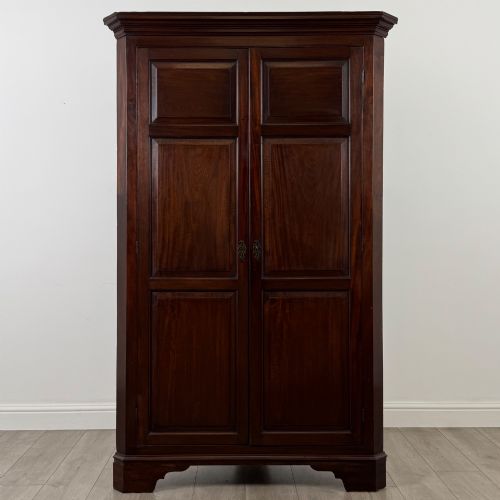
Corner units and floor standing cupboards appear frequently, reflecting domestic storage needs of the period. Buyers encounter both oak country pieces and refined mahogany iterations.
Materials and Construction
Makers utilised solid mahogany and oak for structural carcass work, applying softer woods like softwood for secondary framing. Panels are frequently panelled or fielded to accommodate timber movement over time.
Brass fittings such as hinges, escutcheons, and handles secure doors and drawers. Glass is incorporated into bookcase and cabinet doors where display was intended.
Surface treatments include original paint, polished mahogany, and inlaid satinwood or harewood details. Joinery techniques involve traditional dovetailing and pegged framing.
Georgian Period Standing Cupboard Retail Price Guide 2026
Typical asking prices for georgian period standing cupboard among the pieces listed under this phrase on Sellingantiques today, from the lower quarter to the upper quarter. They describe what is for sale here now, not the wider market.
Listings span the 18th century, Georgian era, Regency period, and 19th century, featuring oak, mahogany, satinwood, and harewood.
Judging Quality
Timber selection dictates the distinction between standard and superior pieces, with figured mahogany and dense oak marking better workshops. The presence of secondary timbers like oak in primary drawer linings signals sound construction.
Refinement of detail separates basic provincial items from sophisticated urban work. Crisp carving, balanced proportions, and original brass hardware elevate a cabinet's standing.
Surface preservation matters significantly, whether dealing with untouched original paint or a polished mahogany patina. Alterations to feet, cornices, or interior shelving influence the integrity of the piece.
Gillows
The Georgian Period Standing Cupboard Glossary
- Corner cupboard
- A cabinet specifically constructed to fit into the internal corner of a room. These units maximise otherwise unused spatial angles.
- Waterfall bookcase
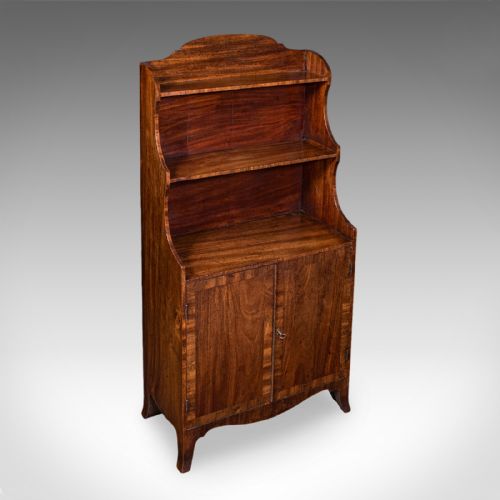
- A set of graduated open shelves where the sides step back progressively from bottom to top. This form appeared during the Regency period.
- Cabinet on stand
- A raised storage enclosure supported by an open leg framework or stand. This elevated format keeps contents away from damp floors.
- Escutcheon
- A protective plate surrounding a keyhole. It shields the surrounding timber from wear caused by the key.
- Bracket foot
- A structural foot supporting the base of a cabinet, shaped from the corner up. It lifts the carcass slightly off the floor.
Georgian Period Standing Cupboard: Frequently Asked Questions
What is a standing corner cupboard?
A standing corner cupboard is a floor-resting unit built with an angled back to fit neatly into a room junction. It provides enclosed shelving while occupying minimal floor space.
These pieces typically feature panelled doors or glazed upper sections. They served historically to store china, glassware, or household provisions.
How do I identify a Regency bookcase?
Regency bookcases often display lighter woods like satinwood or harewood, alongside traditional mahogany. Forms such as the waterfall bookcase emerge strongly during this phase.
Look for neoclassical restraint and refined proportions compared to earlier heavy cabinetwork. Details frequently include subtle brass mounts and open stepped shelving.
Where were these cupboards placed?
Cupboards and corner cabinets found placement in parlours, dining rooms, and hallways. Floor standing models required dedicated wall space, unlike small wall-hanging versions.
Tall cabinets on stands and pedestal cupboards offered versatile surfaces for display or sculpture. Their placement depended on the room's primary function and traffic flow.
What wood was used most often?
Oak and mahogany serve as the primary timbers across the listed inventory. Oak appears frequently in country pieces, while mahogany dominates formal Georgian and Regency furniture.
Secondary woods like softwood often support internal framing and drawer bottoms. Decorative accents introduce satinwood and harewood for contrast.