
Georgian Pedestal Wine Table
A georgian pedestal wine table offers compact elegance, combining a sturdy central pillar with a portable top designed for intimate evening hospitality.
Georgian Pedestal Wine Table
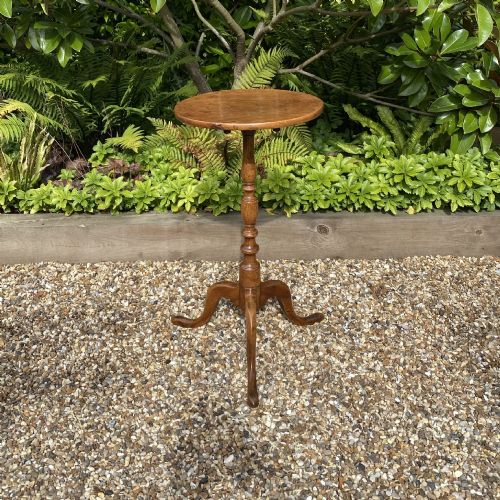
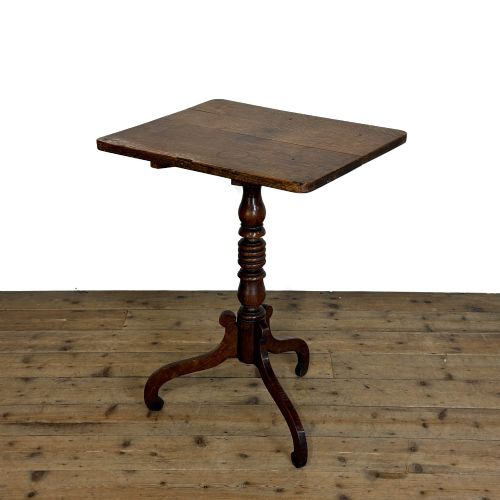
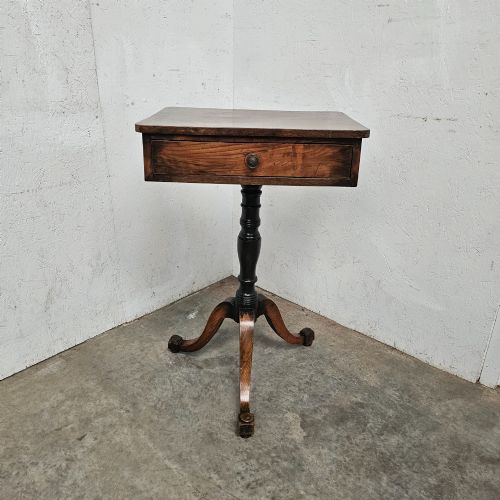
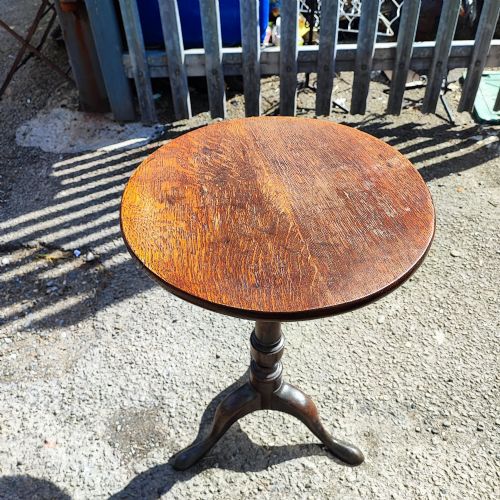
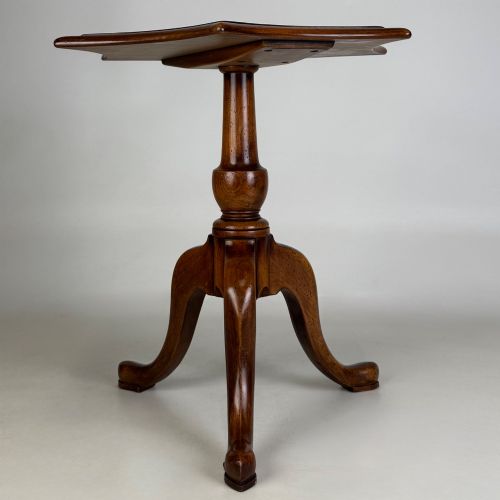
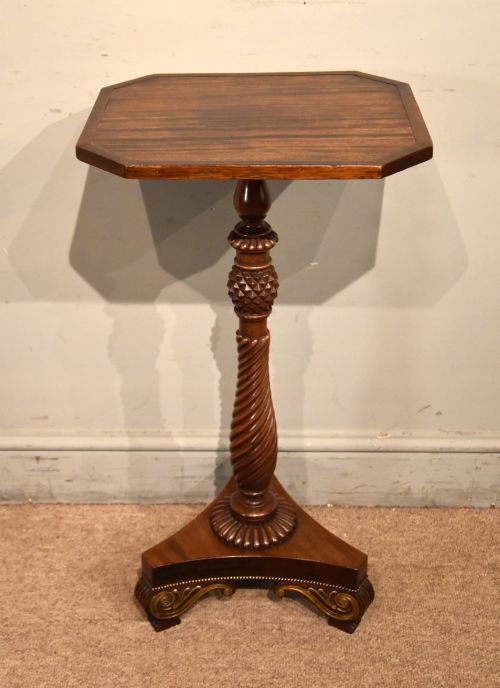
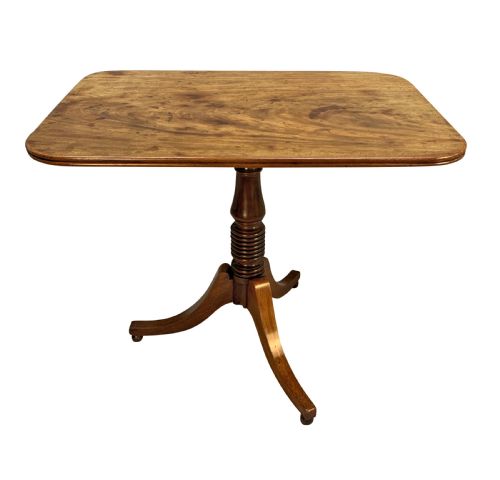
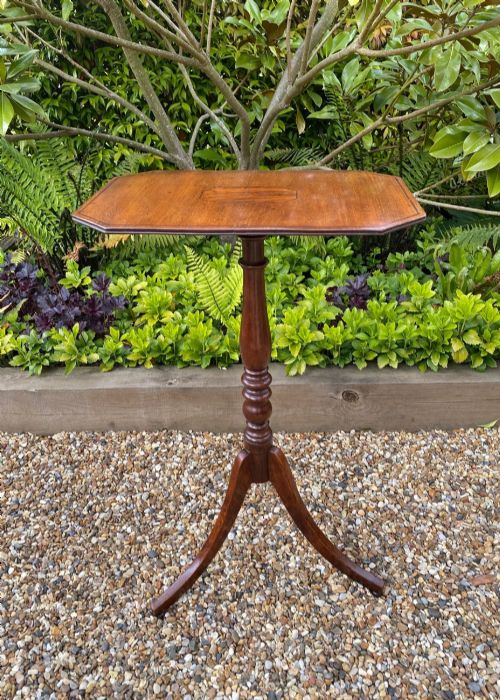
A georgian pedestal wine table is a small, portable piece designed to hold glasses or candles beside seating, resting on a central column supported by three legs. When searching this phrase, a buyer encounters pieces primarily from the Georgian, Regency, and 19th-century periods, alongside later revival examples.
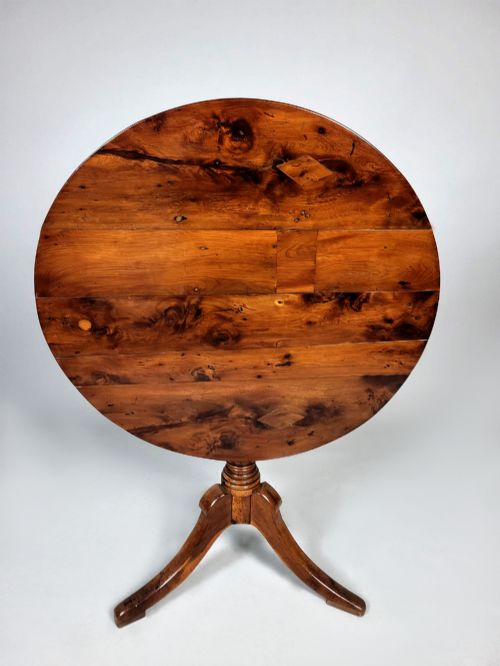
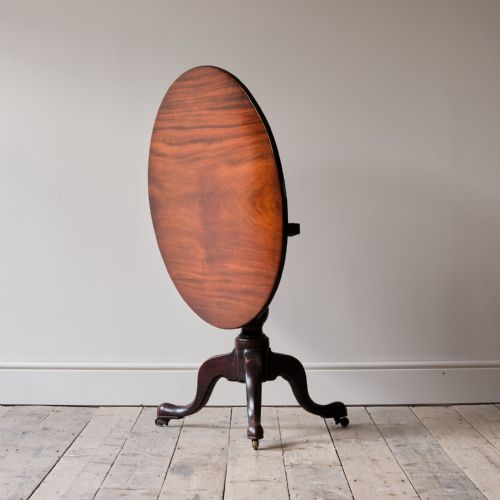
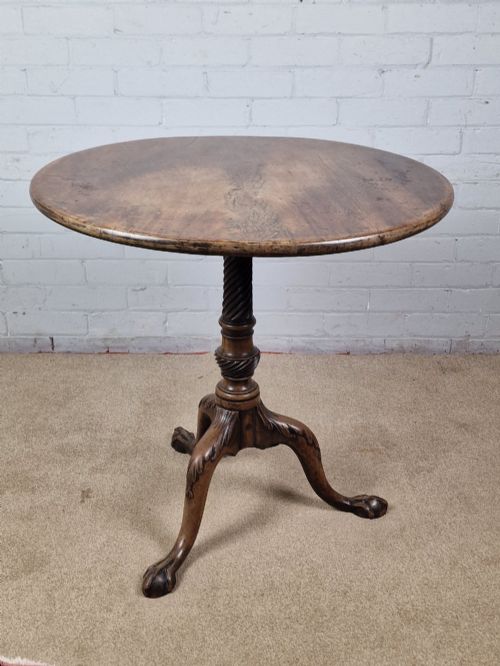
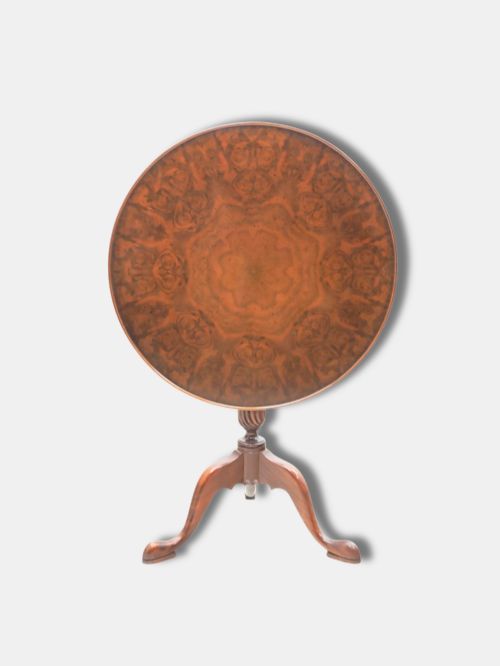
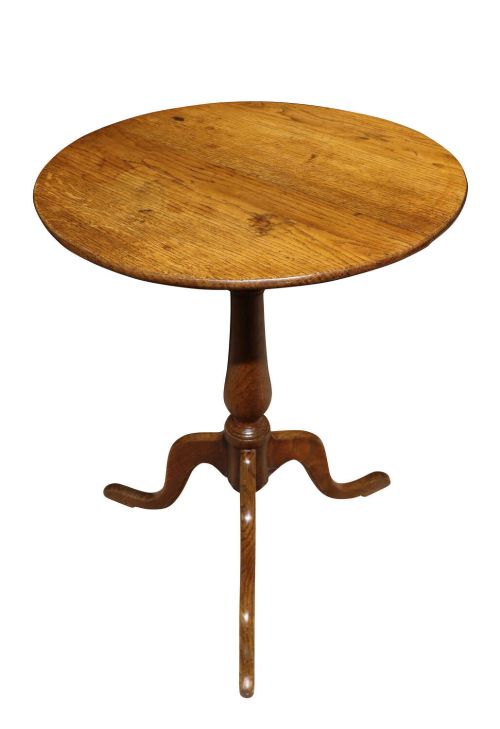
The most common formats on this page feature circular tops, frequently mounted on a tilt-top mechanism that allows the surface to fold vertical when not in use. Oak and mahogany dominate these forms, appearing alongside walnut, elm, and fruitwood across tripod bases.
Materials and Construction
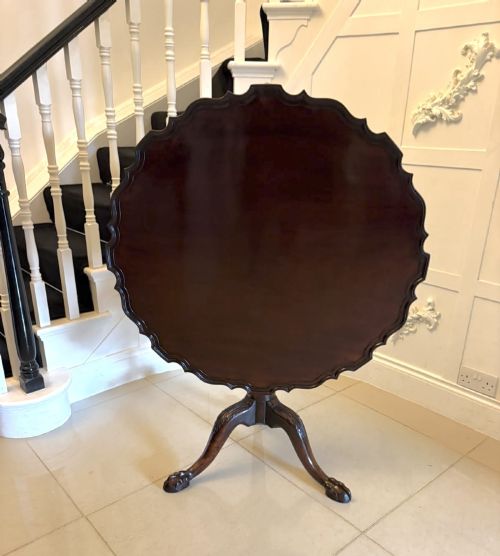
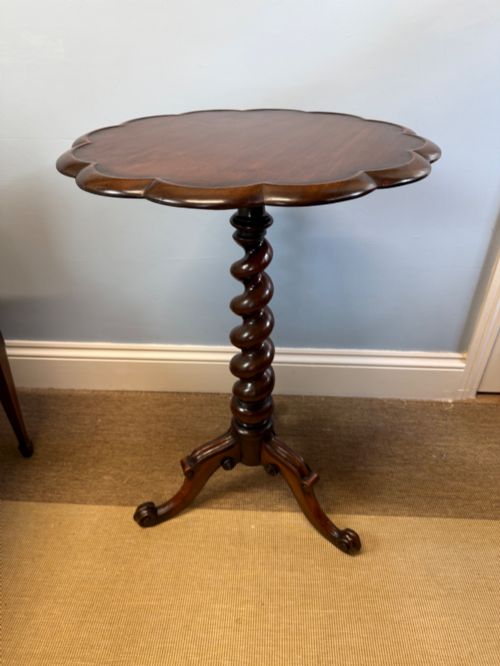
Cabinetmakers utilised dense timbers like mahogany, oak, and walnut to construct the pillars and legs, ensuring sufficient weight at the base to prevent tipping. Tops were frequently turned from single boards or joined timbers, sometimes shaped with raised pie-crust rims or tray edges.
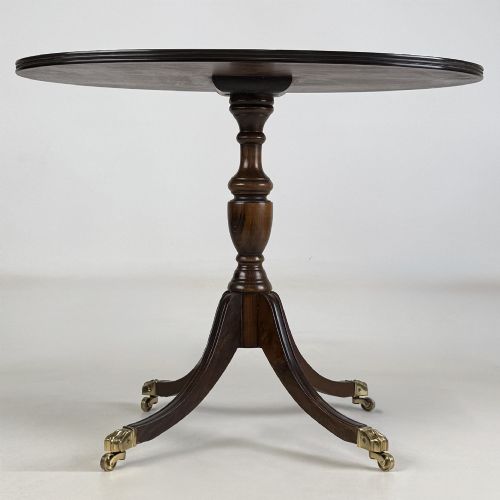
Many examples incorporate a birdcage mechanism beneath the top, allowing the surface to both rotate and tilt on its central shaft. Tripod legs terminate in pad feet, spade feet, or occasional brass castors, joined to the pedestal shaft by dovetail or tenon joints.
Craftsmanship and Proportion
Quality rests in the balance of proportions between the slender central column and the splay of the tripod legs, ensuring stable support for the top. Superior examples display refined turning on the pedestal shaft and finely carved knees or feet rather than plain, heavy sections.
The precision of the tilt mechanism and the fit of the joints determine mechanical longevity, distinguishing everyday utility pieces from finer parlour furniture. Timber selection also dictates grade, with figured mahogany and rich red walnut marking the higher tier of production.
Gillow
The Georgian Pedestal Wine Table Glossary
- Tilt-top
- A hinged table surface that tips into a vertical position for compact storage against a wall when not in use.
- Tripod base
- A pedestal support dividing into three spreading legs that provide balance on uneven floors.
- Birdcage
- A wooden framework beneath the table top that permits both rotation and tipping movements.
- Pie crust edge
- A raised, carved border shaped in undulating curves resembling pastry work.
- Snap top
- An alternative term for a tilt-top table secured by a wooden catch or spring latch.
Georgian Pedestal Wine Table: Frequently Asked Questions
What was a wine table used for?
These small tables held decanters and glasses close to guests during evening gatherings in Georgian drawing rooms. Their portability allowed servants to reposition them easily around the seating area.
Over time, owners also utilised them as candle stands or lamp tables in smaller parlours and bedrooms.
What is a birdcage mechanism?
The birdcage is a small revolving wooden frame fitted between the table top and the central pedestal column. It enables the surface to rotate independently of the base.
This intricate assembly marks better quality construction in round occasional tables from the eighteenth century onwards.
Are these tables sturdy enough for daily use?
Tripod tables offer surprising stability on even surfaces due to the three-point contact of their spreading legs. However, the central pillar design means heavy downward pressure on the edge should be avoided.
Placing them in low-traffic corners protects both the tilt mechanism and the slender wooden legs from accidental knocks.