





Georgian Pedestal Wine Box
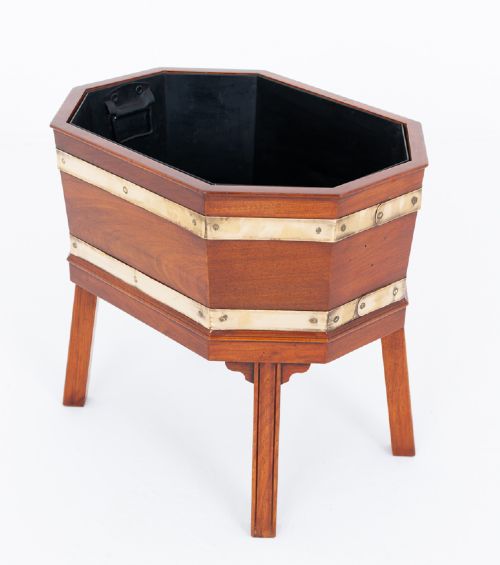
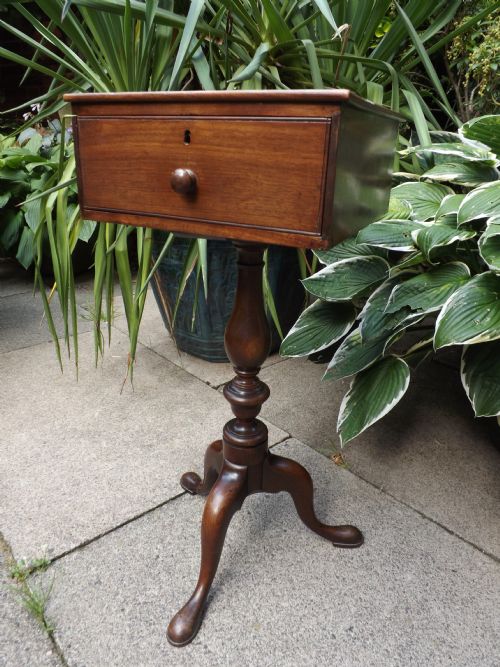
These georgian pedestal wine box options are handsome timber containers built to hold and cool bottles at the dining table.
Georgian Pedestal Wine Box
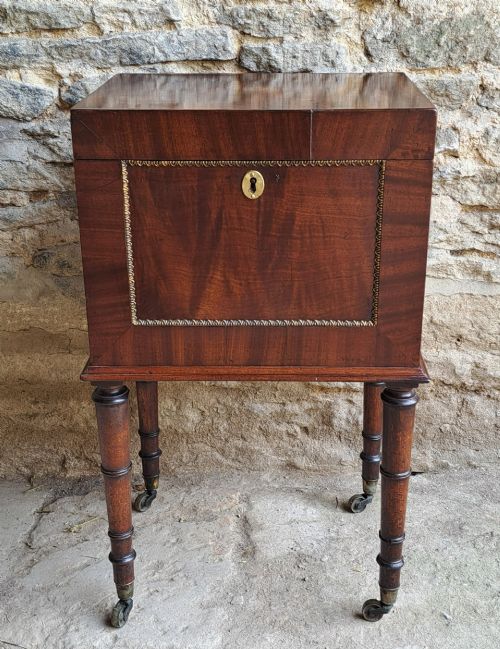
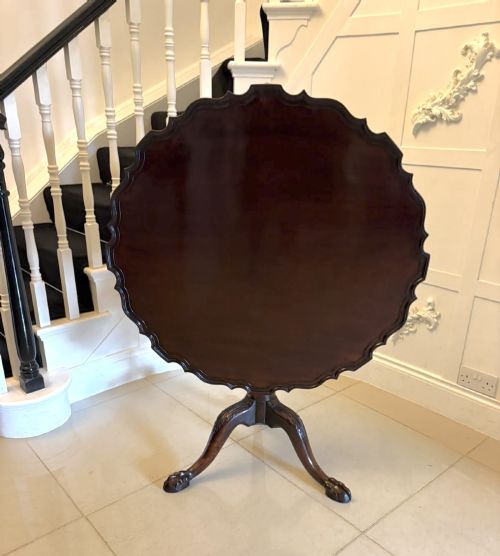
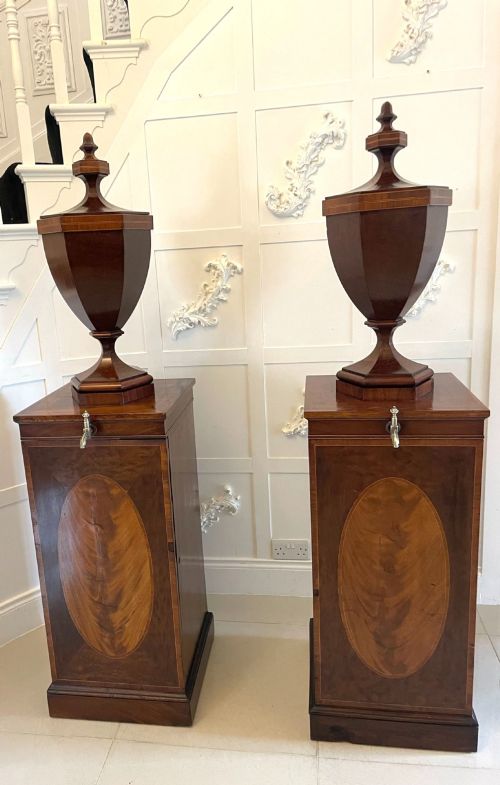
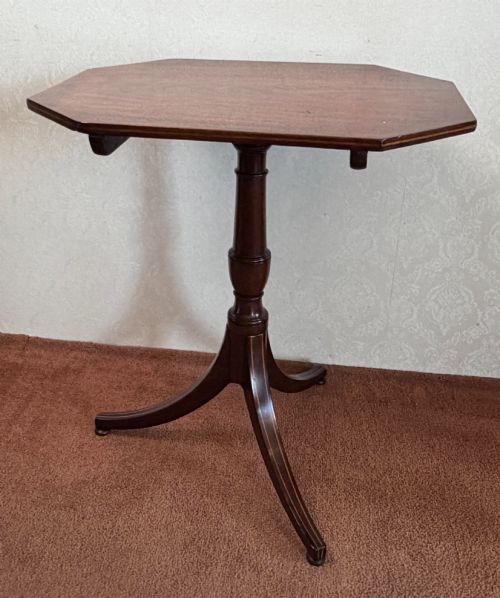
A georgian pedestal wine box is a specialised form designed to keep wine bottles secure and cool during formal dining. The examples appearing here span the eighteenth and nineteenth centuries, taking forms such as cellarettes, wine coolers, and urns upon pedestals.
Makers produced these pieces to stand beside the dining table or sideboard. Buyers encounter sturdy mahogany constructions alongside satinwood inlaid wine coolers and occasional pedestal forms.
How they were made
Cabinetmakers built these pieces primarily from solid mahogany, often selecting timber with rich grain patterns. Workshops incorporated boxwood inlay and marquetry details to add decorative contrast to the surfaces.
Metal and brass components frequently appear as functional mounts, hinges, and carrying handles. Wood inlay techniques demonstrate the detailed craftsmanship applied during the Georgian and Regency periods.
Georgian Pedestal Wine Box Retail Price Guide 2026
Typical asking prices for georgian pedestal wine box among the pieces listed under this phrase on Sellingantiques today, from the lower quarter to the upper quarter. They describe what is for sale here now, not the wider market.
Some wine coolers arrived with fitted compartments so cold water could keep the claret chilled without soaking the labels.
What varies in quality
Quality rests in the crispness of the timber carving and the precision of the boxwood inlay. Superior examples display carefully chosen wood grain and well-integrated brass mounts that complement the primary material.
Proportion and architectural balance define the best pieces. Simpler later adaptations or revival styles lack the refined cabinetmaking standards found in authentic eighteenth-century productions.
The Georgian Pedestal Wine Box Glossary
- Cellarette
- A lockable container used for holding bottles of wine near the dining table. They often feature fitted interiors to keep bottles separated.
- Mahogany
- A durable tropical hardwood prized for its deep reddish-brown colour and stability. It served as the primary material for high-end Georgian cabinetmaking.
- Inlay
- A decorative technique where contrasting materials such as boxwood are inserted into recesses in the wood surface. This creates flat patterns and geometric borders.
- Regency
- An English design period spanning the early nineteenth century. It is characterised by classical influences and clean architectural lines.
Georgian Pedestal Wine Box: Frequently Asked Questions
What is a georgian pedestal wine box?
A georgian pedestal wine box is a timber container designed to hold and cool wine bottles during meals. They often sit on matching pedestals or floor stands.
Cabinetmakers built these items to accompany formal dining tables. They keep bottles organised and within reach of the host.
How were these wine boxes used?
Servants filled the interior with ice or cold water to chill wine before serving. Bottles rested securely inside the compartment during long dinners.
Later versions functioned simply as storage containers for bottles. They remained positioned near the sideboard or dining table.
What woods are most common?
Mahogany is the predominant timber found in these listings. It provides structural strength and a dark, rich surface appearance.
Cabinetmakers also utilised satinwood and boxwood for contrasting stringing and decorative inlay work. These lighter woods highlight geometric borders.
How do I date a piece?
Dating relies on stylistic markers, construction methods, and timber choice. Georgian and Regency pieces show distinct classical proportions and joinery techniques.
Later nineteenth-century or revival items often display heavier mouldings or different interior fittings. Examining the secondary woods helps confirm the period.