



Georgian Panel Back Chair
A georgian panel back chair brings sturdy vernacular character to a room, offering robust construction and honest timber forms that suit both country interiors and formal spaces.
Georgian Panel Back Chair
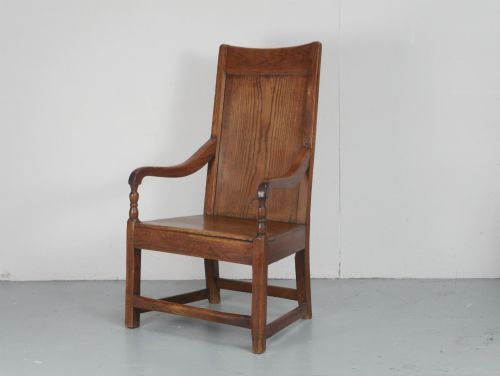
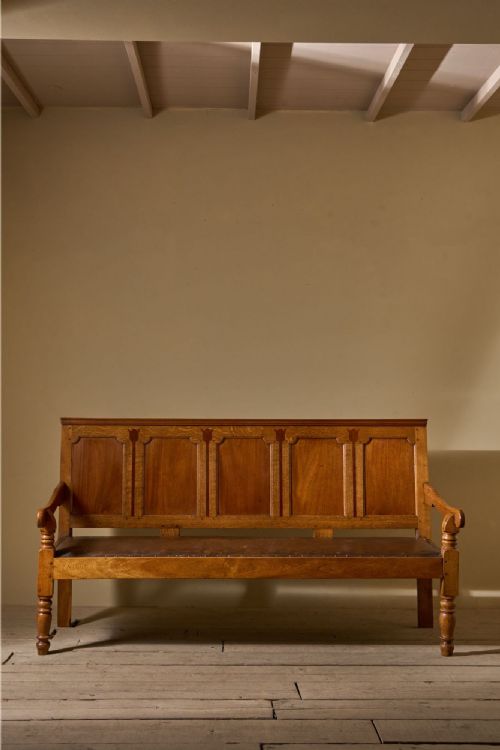
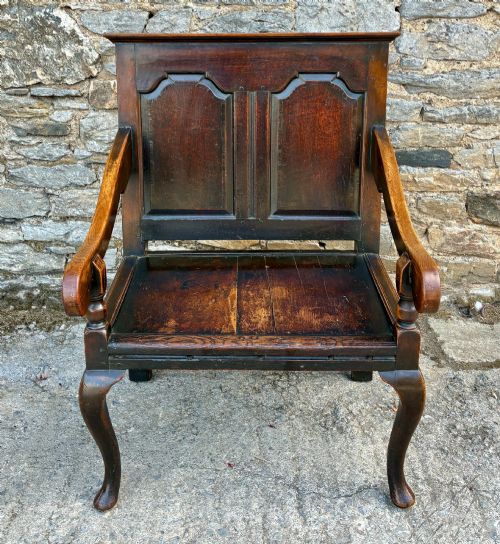
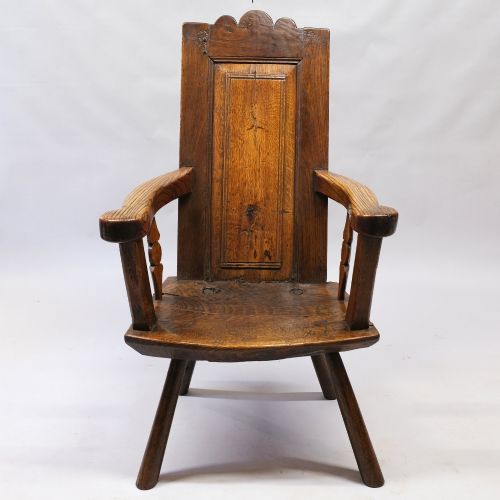
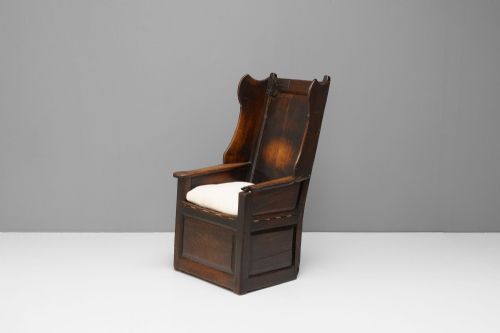
The georgian panel back chair category spans an array of sturdy seating forms, including robust settles, traditional lambing chairs, and formal hall chairs. These pieces emerge from the eighteenth century and the Regency era, reflecting both vernacular country craftsmanship and more polished urban designs.
Buyers most frequently encounter oak and mahogany examples on this page, ranging from high-backed windsor forms to simple wooden dining chairs. Regional varieties such as Welsh oak panelled armchairs and Dutch country open arm designs appear alongside matched sets and individual hall benches.
Constructed primarily for practical daily use, these seats feature solid wooden panels that protect against draughts and provide reliable back support. Their enduring appeal lies in the straightforward joinery and rich patination developed over centuries of domestic life.
Materials and construction
Cabinet makers and rural joiners relied heavily on native hardwoods such as oak, elm, and mahogany to build these substantial chairs. Timbers were selected for strength and longevity, often worked by hand with traditional mortise and tenon joints to withstand heavy domestic wear.
Decoration was kept functional or subtle, utilising wood inlay, turned bobbin elements, and occasional carved tulip motifs rather than excessive ornamentation. Seats were fashioned from solid wood planks or later adapted with fabric, leather, and textile squab cushions for added comfort.
Georgian Panel Back Chair Retail Price Guide 2026
Typical asking prices for georgian panel back chair among the pieces listed under this phrase on Sellingantiques today, from the lower quarter to the upper quarter. They describe what is for sale here now, not the wider market.
Assessing quality and authenticity
Quality in a georgian panel back chair rests upon the integrity of the timber, the depth of the natural patination, and the retention of original structural components. Pieces that retain their early surface finish and unblemished panel backs demonstrate superior craftsmanship from their respective period.
The sophistication of the joinery and the restraint of any decorative elements differentiate standard utility seating from finer country examples. Greater attention to proportional balance and the quality of the regional wood selection distinguish the most desirable pieces.
The Georgian Panel Back Chair Glossary
- Panel back
- A wooden backrest constructed from one or more flat boards held within a framed structure. This design provided excellent insulation against cold draughts in older homes.
- Settle
- A wooden bench featuring a high solid back, solid arms, and often a storage box beneath the seat. They were traditionally placed near hearths to retain heat.
- Lambing chair
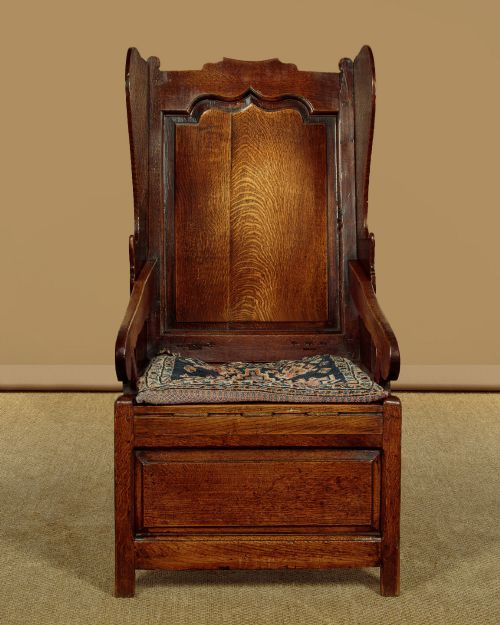
- An enclosed armchair featuring high wings and a solid hood or sides, originally designed for shepherds during cold lambing seasons. They offer deep seating and exceptional protection from room breezes.
- Hall chair
- A rigid wooden seat, usually without arms, intended for entrance halls rather than prolonged sitting. They frequently display painted or carved family crests and decorative wooden panels.
- Patina
- The deep, lustrous surface sheen developed on old wood over decades of handling, polishing, and exposure to light. It serves as a key indicator of age and genuine use.
Georgian Panel Back Chair: Frequently Asked Questions
What is a panel back chair?
A panel back chair is a wooden seat featuring a solid flat panel fitted into a supportive frame. This construction style offers robust durability and distinct visual character.
Such chairs date primarily from the eighteenth century and earlier, serving practical roles in domestic interiors before upholstered furniture became widespread.
How were these chairs used originally?
These chairs served multiple domestic functions in halls, dining spaces, and beside hearths. High-backed variants helped shield occupants from cold draughts in unheated rooms.
Sturdy construction also made them suitable for daily family use, particularly in rural kitchens and farmhouse settings.
Are these chairs comfortable to sit in?
Most historic wooden chairs feature solid timber seats designed for upright posture and durability. Many owners add loose fabric or leather cushions for extended sitting.
Enclosed designs like lambing chairs provide a sheltered seating experience that naturally encourages relaxation near a fire.
How do I identify the period of a chair?
Dating relies upon examining the timber species, joinery techniques, and overall stylistic proportions. Oak construction typically points towards earlier vernacular periods, while mahogany often indicates later eighteenth or Regency eras.
Wear patterns, tool marks, and surface patination further help distinguish genuine period examples from later reproductions.