
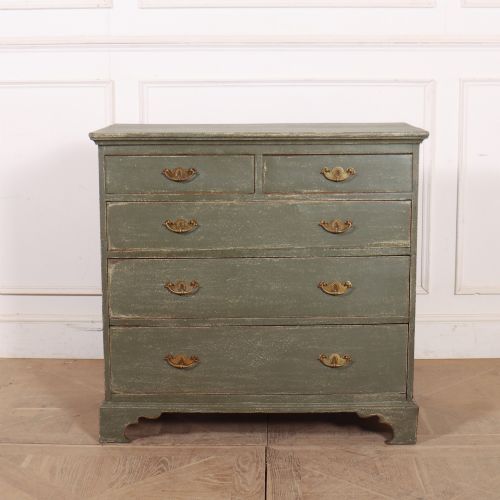
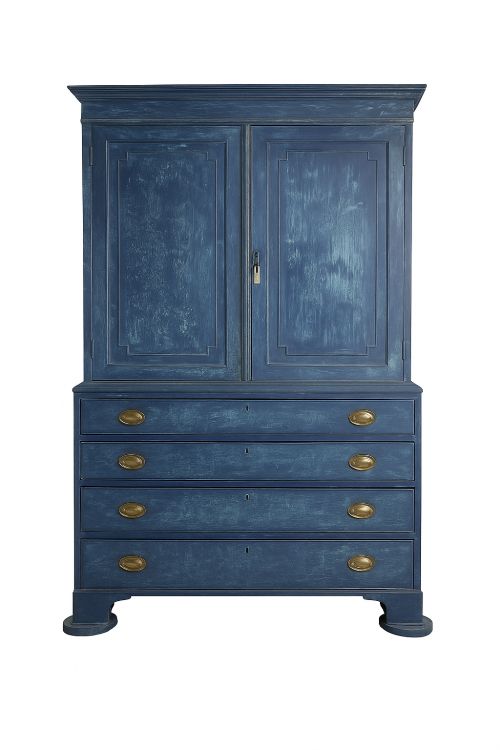
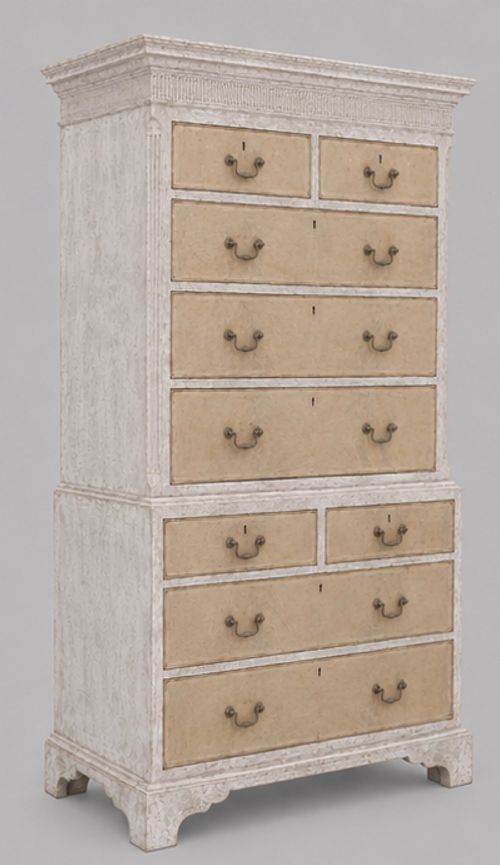
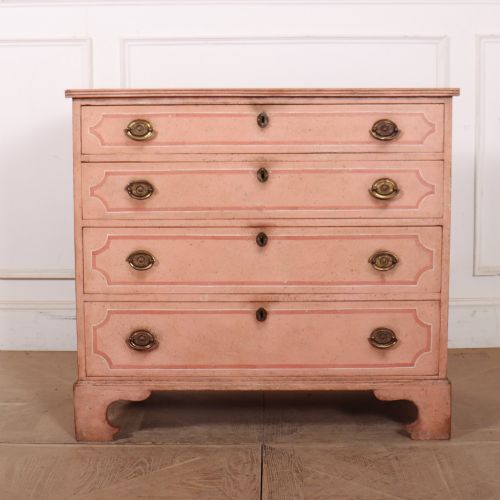

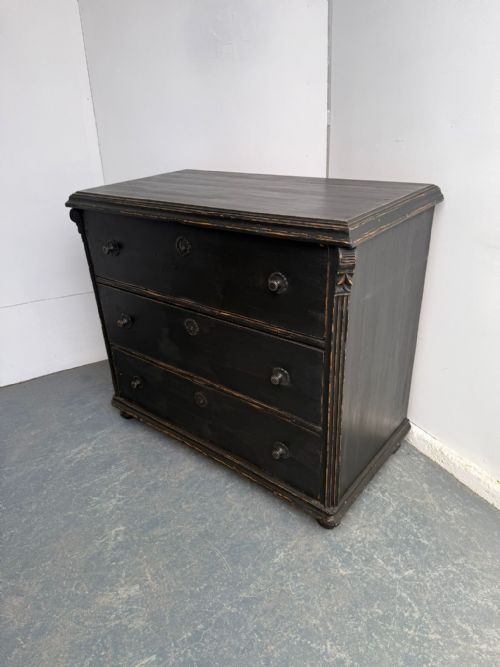
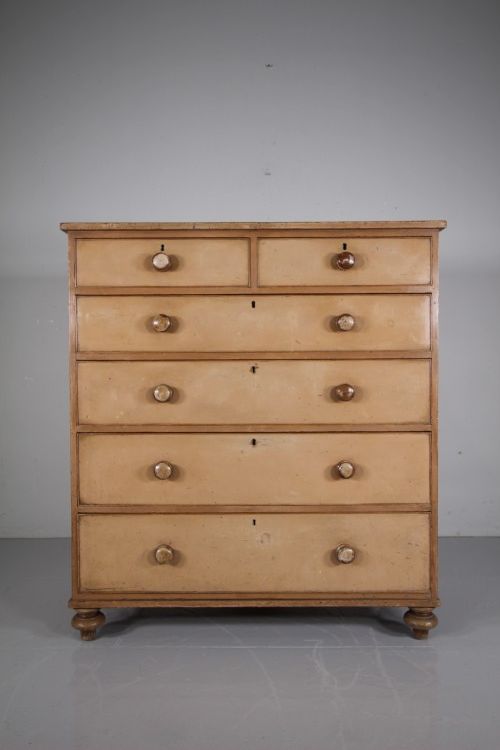


Georgian Painted Storage Chest
These pieces of a georgian painted storage chest bring functional utility and decorative character to any room through centuries-old craftsmanship.
Georgian Painted Storage Chest
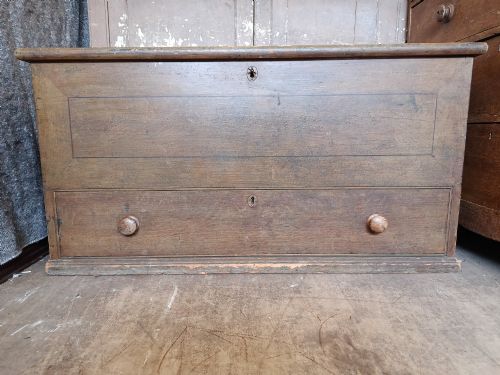
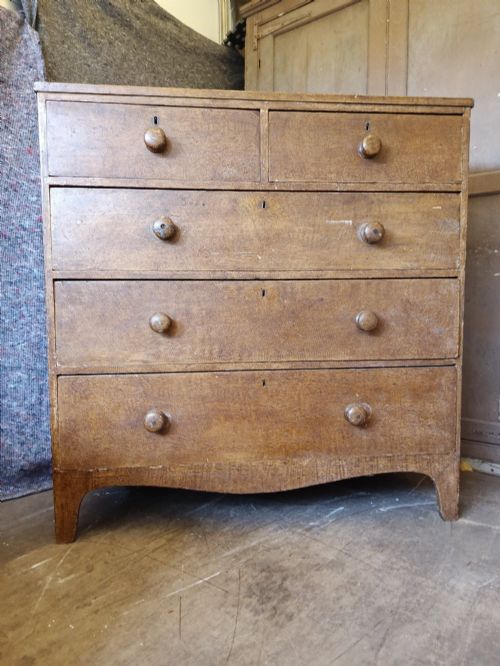
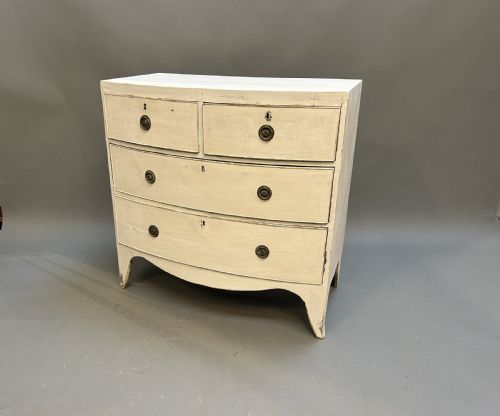
When you examine a georgian painted storage chest, you encounter sturdy timber construction finished with historical surface decoration. The selections span from blanket boxes and mule chests to chests of drawers and linen presses dating from the eighteenth and nineteenth centuries.
Pine and oak form the core of these vernacular items, alongside mahogany and mixed woods. Makers often applied layers of paint, scumble glaze, or simulated wood finishes to elevate simpler timbers into striking decorative items.
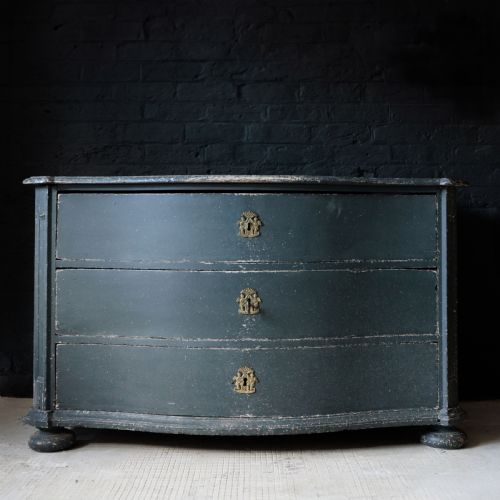
English country workshops and continental makers alike produced these robust receptacles for domestic storage. Pieces range from straightforward utilitarian boxes with hinged lids to sophisticated serpentine commodes and multi-drawer configurations.
Materials and construction
Carpenters utilised solid pine, oak, and occasionally mahogany for the main bodies, employing dovetail joints for stability in drawers and carcases. Iron and brass hardware such as hinges, handles, and escutcheons secured the structures and facilitated lifting.
Surfaces received priming coats followed by oil-based or distemper pigments, sometimes manipulated with combs or rags to create scumble graining effects. This painted layer protected the underlying wood while offering vibrant blue, green, teal, or black coloration.
Materials recorded across the inventory include pine, oak, mahogany, iron, brass, and painted wood surfaces.
Assessing quality and authenticity
The survival of original surface paint distinguishes exceptional examples from pieces stripped or heavily restored in later decades. Patination on the timber and hardware reflects genuine age and continuous domestic use.
Proportion and structural integrity separate fine cabinet work from basic utilitarian joinery. Pieces retaining their original feet, locks, and polychrome finishes command greater interest among collectors.
The Georgian Painted Storage Chest Glossary
- Mule chest
- A storage chest fitted with one or two drawers beneath the main lift-top compartment. This form bridges the traditional blanket box and the modern chest of drawers.
- Scumble paint
- A translucent decorative glaze applied over a lighter base colour and manipulated with tools to mimic the grain of expensive timbers. It was widely used in country houses to embellish pine furniture.
- Serpentine
- A front profile characterised by a convex centre flanked by concave curves. This contour requires advanced woodworking skill and usually denotes higher-status case furniture.
- Linen press
- A tall piece of furniture featuring upper cupboard doors enclosing sliding trays for textiles, positioned above a base of multiple drawers. They served an essential role in historical domestic storage.
- Coaching trunk
- A portable storage box reinforced with metal bands and handles for travel by carriage. These sturdy receptacles were designed to withstand rigorous transit.
Georgian Painted Storage Chest: Frequently Asked Questions
Where were they used?
These chests served primarily in bedrooms, hallways, and living quarters for storing garments, linens, and household valuables.
Larger trunk forms also travelled on coaches or ships, holding personal belongings during transit before finding permanent placement in the home.
How do I date one?
Dating relies upon examining construction methods, timber types, and hardware styles such as dovetail thickness and lock mechanisms. Secondary woods inside drawers and the composition of the paint layers provide further chronological clues.
Stylistic cues like serpentine shaping or neoclassical proportions align pieces with eighteenth-century georgian or nineteenth-century regency periods.
Are the painted surfaces original?
Many pieces retain their initial pigment or early country house scumble finishes, showing natural wear that matches the age of the timber beneath. Close inspection under magnification reveals whether paint layers have accumulated over time or if later overpainting is present.
Original surfaces exhibit genuine craquelure, fading, and integration with the substrate rather than a flat, modern application.
How do I care for the paint?
Keep these items away from direct sunlight and high humidity to prevent the historic pigments from fading or the timber from warping. Dust gently with a dry, soft cloth and avoid chemical cleaning agents that can dissolve aged oil or distemper finishes.