
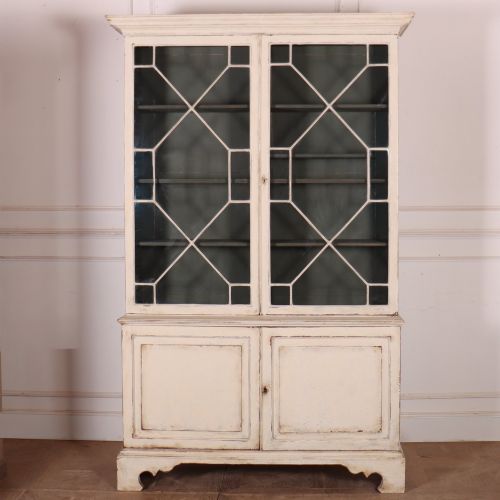
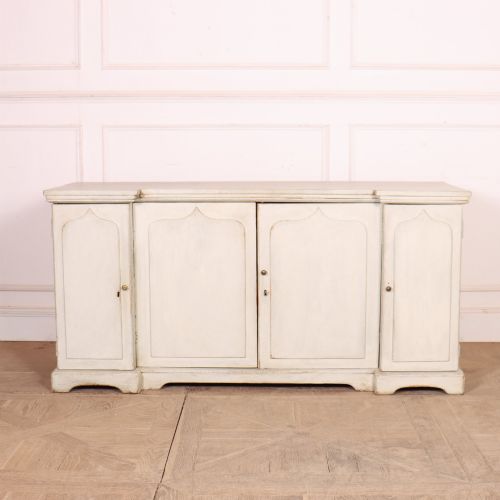
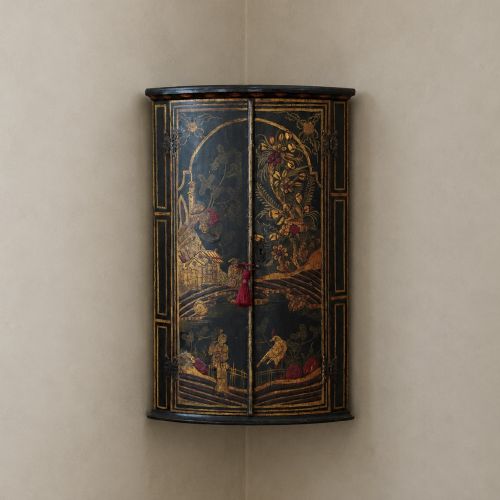
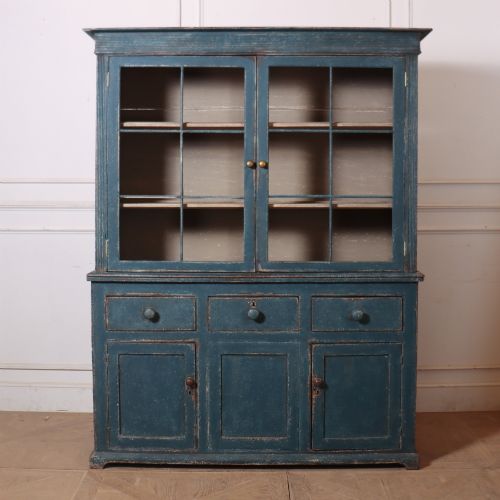
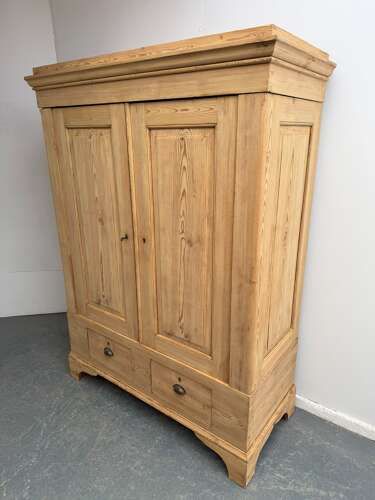
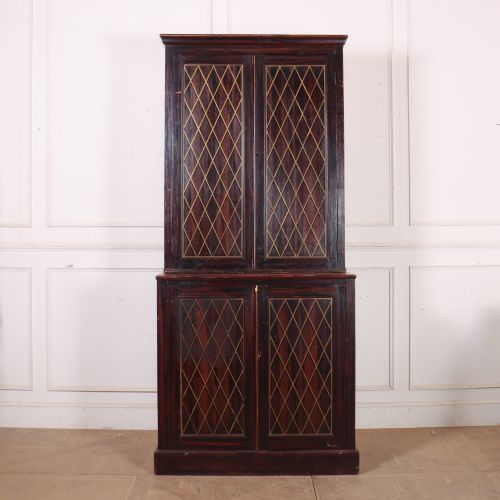
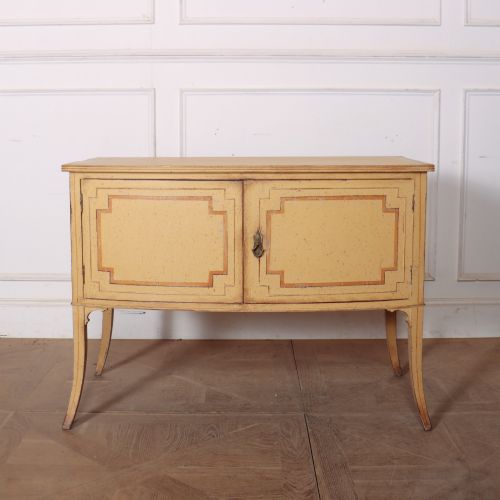
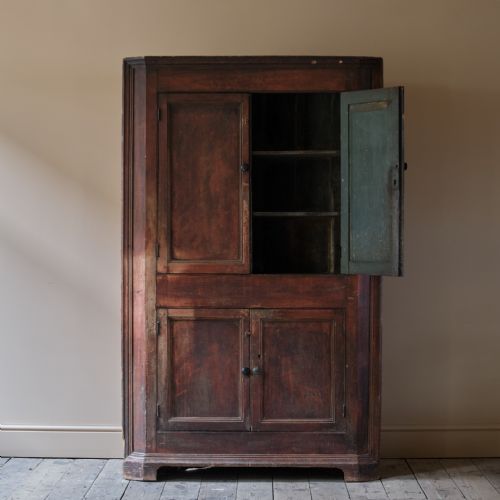


Georgian Painted Storage Cabinet
A georgian painted storage cabinet brings functional utility and decorative character, anchoring a room with period proportion and surface history.
Georgian Painted Storage Cabinet
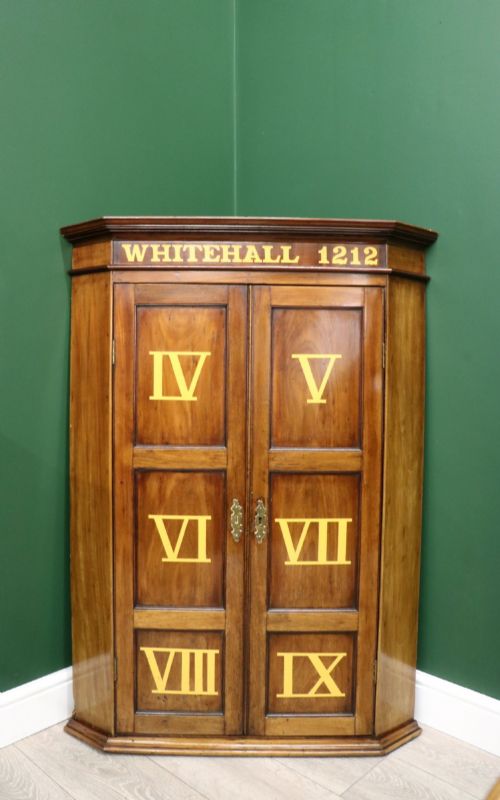
When you search for a georgian painted storage cabinet, you encounter substantial utilitarian furniture designed for domestic storage across domestic spaces. These pieces encompass large housekeepers cupboards, corner cupboards, linen cupboards, and food cupboards alongside wardrobes and side cabinets.
The pieces on this page span the Georgian and Victorian periods, with significant representation from the eighteenth and nineteenth centuries. You find regional variations including English, Irish, Scottish, Swedish, and Hungarian examples, ranging from large country house fixtures to compact wall-mounted or corner units.
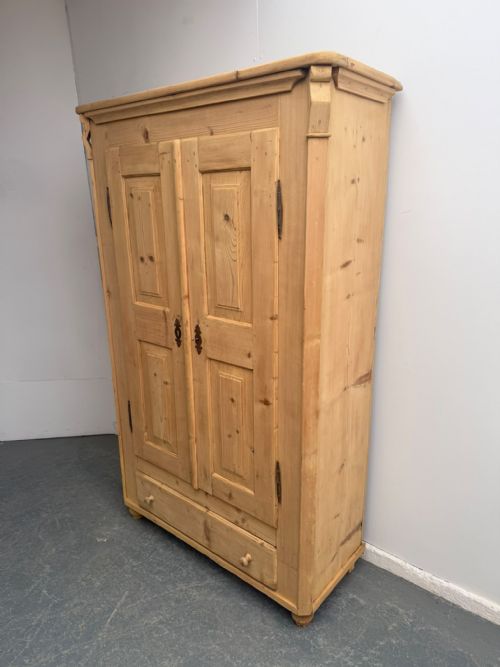
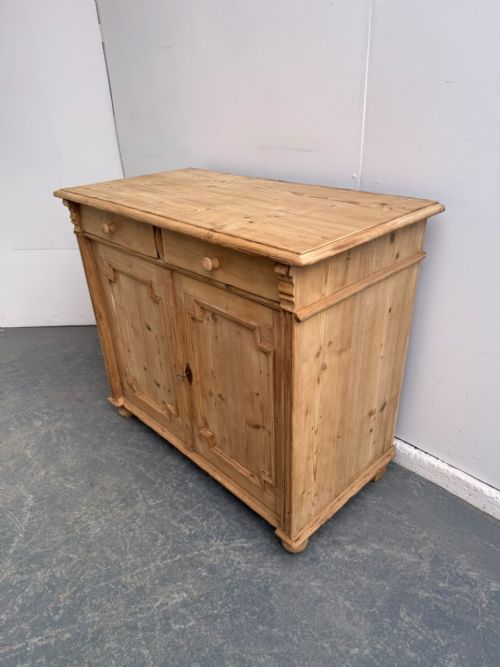
The most prevalent form meeting this description is the pine or hardwood cupboard finished in paint, often showing original pigments or later decorative treatments. These include multi-door kitchen dressers, panelled knockdown wardrobes, and specialised food storage like bread and cheese cupboards.
How They Were Made
Construction relies primarily on solid pine and other native timbers, joined with traditional carpentry methods suited to heavy daily use. Larger forms such as housekeepers cupboards and wardrobes frequently utilise panelled doors and knockdown frames for transport and assembly.
Surfaces are finished with paint, ranging from early or original coloured lead pigments to decorative applications like Chinoiserie japanning and simulated wood graining. Hardware consists of brass handles, iron hinges, and occasionally glass panelling for glazed upper sections.
Listings feature pine, satinwood, and painted wood alongside brass and glass hardware, spanning eighteenth-century and nineteenth-century periods.
What Varies in Quality
Quality rests significantly on the integrity of the timber and the survival of original structural elements, such as internal shelving, backboards, and cornices. Pieces retain more character when their original proportions and joinery remain unaltered by later alterations.
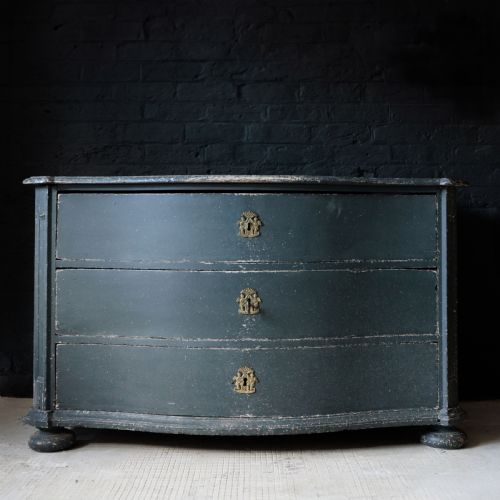
The nature and preservation of the painted surface dictate much of the visual appeal, distinguishing between untouched original pigments, historic decorative schemes, and later overpainting. Finer examples display subtle craquelure, authentic patination, and deliberate decorative motifs such as hand-painted Chinoiserie scenes or fine satinwood inlay.
The Georgian Painted Storage Cabinet Glossary
- Housekeeper's cupboard
- A large dual-section storage piece traditionally used in country houses for linen, dry goods, and domestic provisions. These typically feature upper cupboards above banks of drawers or lower doors.
- Chinoiserie
- A European decorative style interpreting Chinese artistic motifs, frequently seen in painted lacquerwork, figures, and landscapes on cabinets and corner cupboards.
- Knockdown wardrobe
- A large wardrobe constructed with pegged or wedged joints that allow the carcase to be fully dismantled for moving between rooms or properties.
- Japanning
- A European imitation of East Coast Asian lacquerwork involving layered varnishes and painted decoration, often cured with heat to produce a hard gloss finish.
- Breakfront
- A cabinet or dresser design where the central section projects forward from the flanking outer sections, creating architectural depth.
Georgian Painted Storage Cabinet: Frequently Asked Questions
Where were these cupboards used?
These storage pieces served utilitarian functions throughout the house, from kitchens and sculleries to bedrooms and grand halls. Housekeeper's cupboards managed linens and provisions, while smaller corner cupboards utilised dead space in parlours.
Larger wardrobes and linen cupboards provided essential clothing storage in private quarters before fitted closets became standard in domestic architecture.
How do I care for painted surfaces?
Maintain historic painted finishes by avoiding modern chemical cleaners, abrasive cloths, and excessive moisture. Dust gently with a dry, soft brush or microfibre cloth to protect the underlying pigments.
Keep pieces away from direct sunlight and heat sources to prevent the wood beneath from shrinking and the paint layers from flaking or crazing further.
How do I date a piece?
Dating relies on examining construction techniques, timber preparation marks, nail types, and hinge styles alongside the decorative finish. Eighteenth-century pieces often display hand-sawn boards and pegged joinery, while nineteenth-century items introduce machine-sawn timber.
Surface treatments also provide clues, as original lead-based paints and early japanning exhibit specific ageing characteristics distinct from later decorative revivals.
Are these pieces suitable for modern homes?
Their substantial internal depth and adjustable shelving make them highly practical for contemporary storage needs, functioning as wardrobes, linen stores, or media cabinets. They introduce strong architectural form and textural colour to modern interiors.
Because many regional variants were built as knockdown units, moving and positioning these large items through standard doorways remains entirely manageable.