


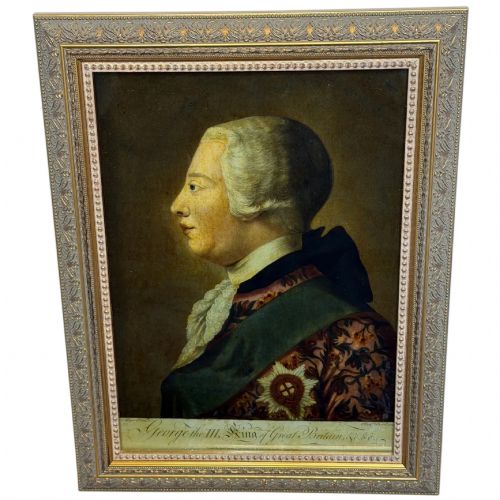


Georgian Painted Profile
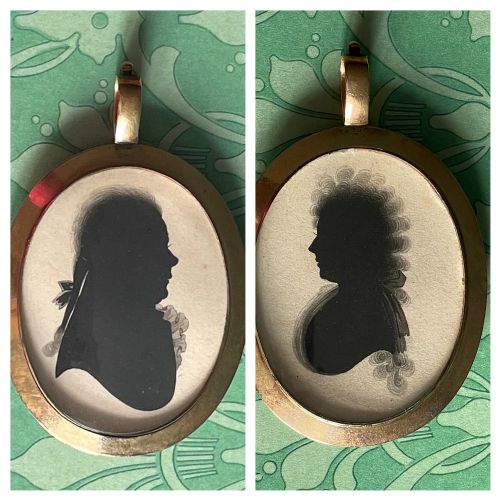
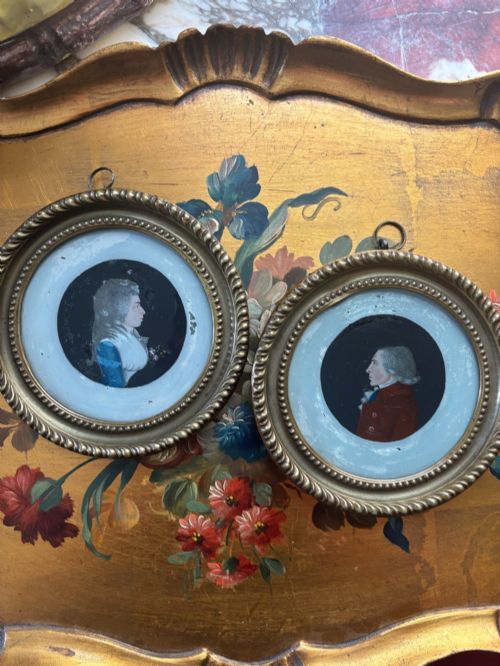
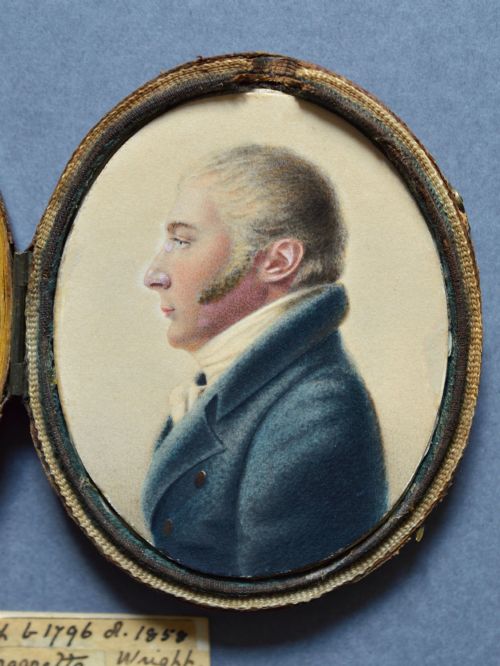
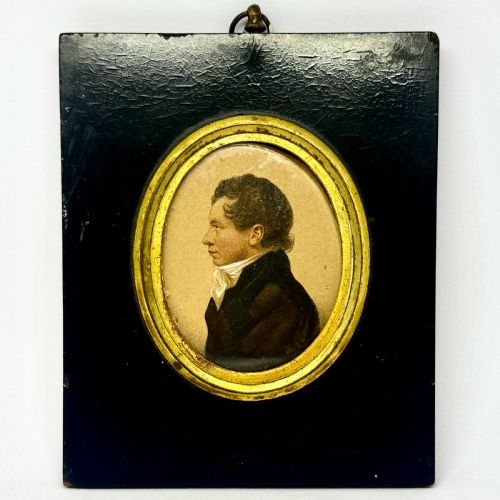
A georgian painted profile captures the sharp likeness of an ancestor through delicate brushwork or reverse painting on glass.
Georgian Painted Profile
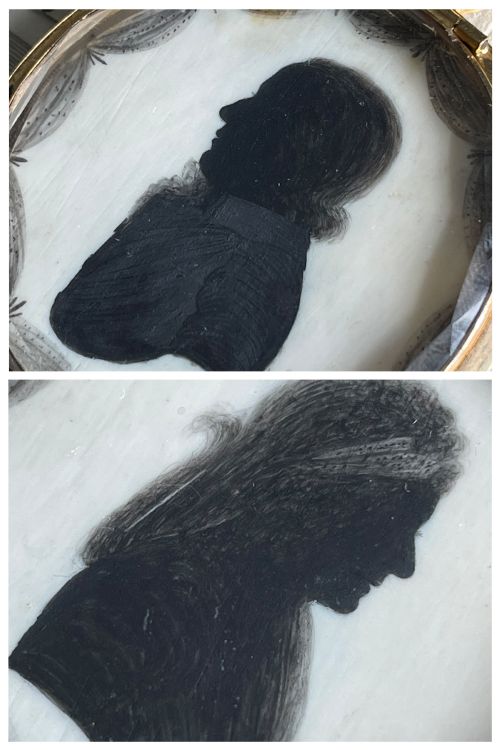
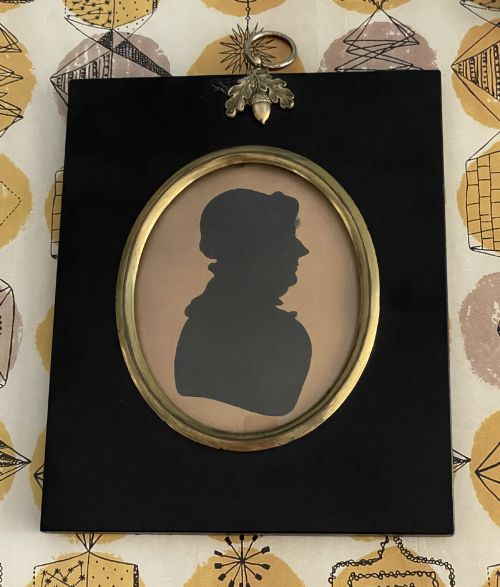
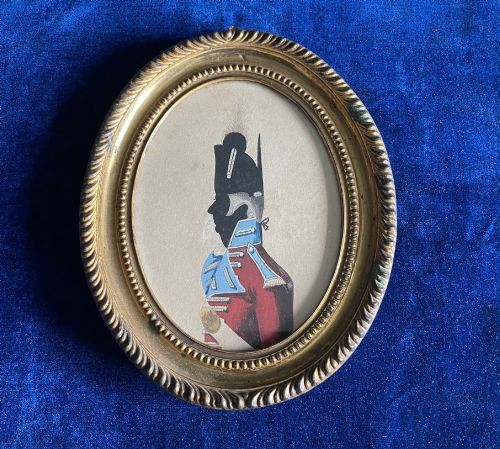
A georgian painted profile presents a distinct silhouette or facial study created during the eighteenth and nineteenth centuries. These intimate artworks focus purely on the sitter's outline, often rendered in deep black pigment or soft watercolours against a pale background.
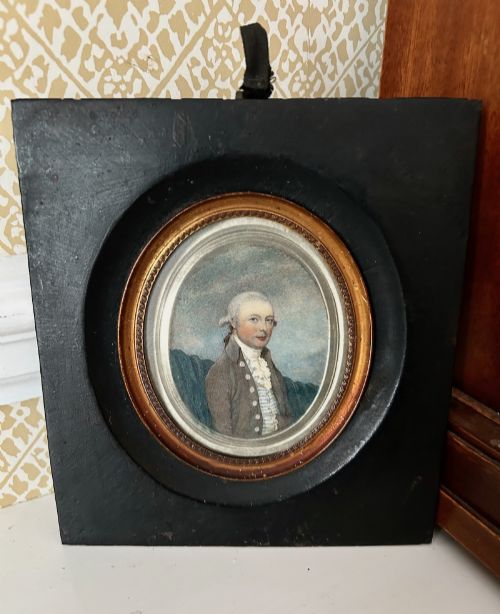
The versions most commonly found here include reverse painted glass panels and detailed hand-cut paper silhouettes mounted within traditional wood or ebonised frames. Many pieces preserve the specific identity of the sitter alongside contemporary inscriptions and dates.
The material presentation spans several distinct decades, encompassing Georgian folk art alongside refined Regency miniature portraits. Collectors encounter both simple domestic likenesses and accomplished works attributed to named artists of the period.
Materials and construction methods
Paper and plaster also served as standard supports for silhouettes, sometimes paired with pencil, watercolour, or fine brush strokes in bodycolour. Framed works frequently relied on ebonised wood, rosewood, or maple to contrast with the pale background of the portrait.
Georgian Painted Profile Retail Price Guide 2026
Typical asking prices for georgian painted profile among the pieces listed under this phrase on Sellingantiques today, from the lower quarter to the upper quarter. They describe what is for sale here now, not the wider market.
At least one framed picture captures a loyal dog sitting patiently beside children.
What distinguishes the work
Quality rests in the confidence of the brushwork and the precision of the sitter's profile. Finer examples display meticulous attention to hair styling, lace collars, and delicate gilded highlights that catch the light.
Thomas John Horsley·James Gillespie·Richard Purcell·Archibald Skirving·John Miers·John Smith·J. Deacon·Jeremiah Steele
The Georgian Painted Profile Glossary
- Reverse painted on glass
- A technique where the artist paints the image on the back of a glass panel so that it is viewed correctly through the front. This method creates a luminous, glossy finish unique to the period.
- Ebonised wood
- Timber treated with a chemical stain or finish to imitate ebony. It provides a dark, uniform border that contrasts sharply with light silhouette portraits.
- Silhouette
- A portrait represented as a solid shape of a single colour, usually black, showing the profile view of a person. It gained immense popularity before the widespread adoption of photography.
- Gilded silhouette
- A profile portrait enhanced with applied gold leaf to accentuate jewellery, uniform details, or costume elements. This added a layer of expense and luxury to the finished artwork.
Georgian Painted Profile: Frequently Asked Questions
How do I hang a painted profile?
Most pieces retain their original wooden frames and loop hangers, designed for small wall spaces.
Hang them away from direct sunlight to protect the fragile watercolours and paper components from fading.
Are these portraits signed by artists?
Some profiles bear the signature or trade label of the artist on the reverse or front glass.
Many domestic examples remain anonymous while still displaying high technical skill.
How do I identify a reverse painted glass piece?
The image appears beneath a smooth glass surface with a reflective quality distinct from paper.
Pigments sit behind the glass pane rather than on top of it.
What periods do these profiles cover?
The selection spans the eighteenth century through to the late nineteenth century.
Regency and Georgian eras form the majority of the surviving examples on this page.