

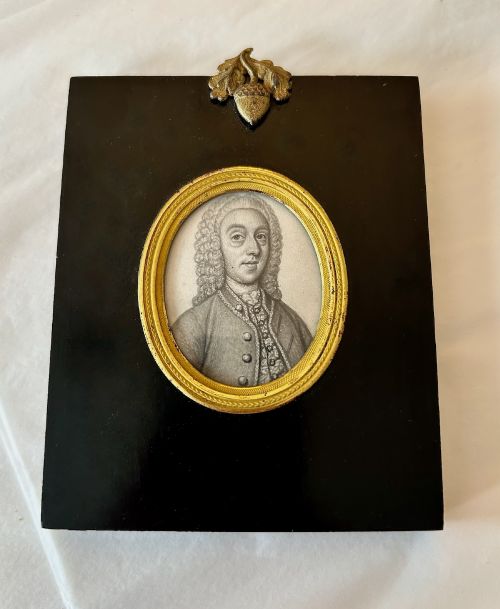
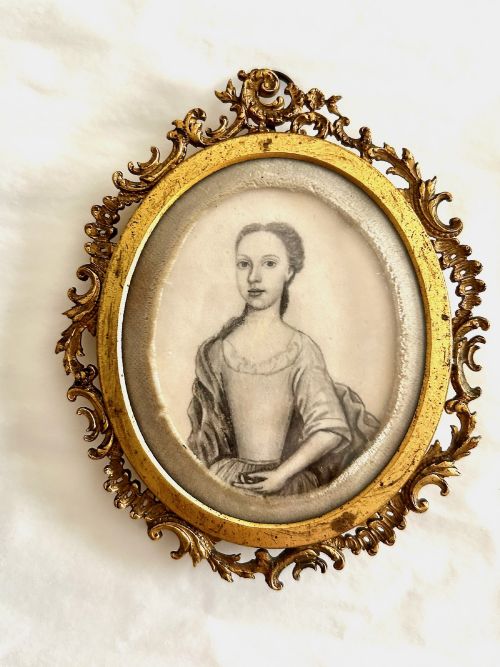
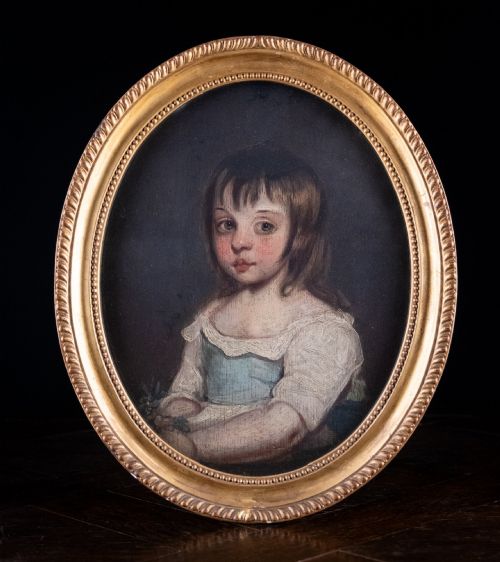
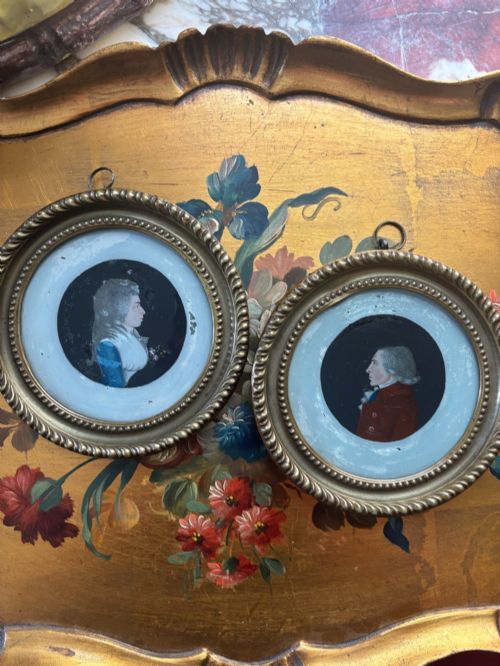
Georgian Painted Miniature
A georgian painted miniature offers an intimate glimpse into past lives through delicate brushwork scaled down to fit the palm of a hand.
Georgian Painted Miniature
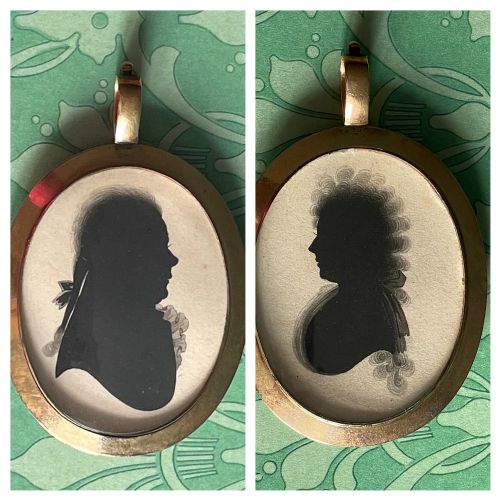
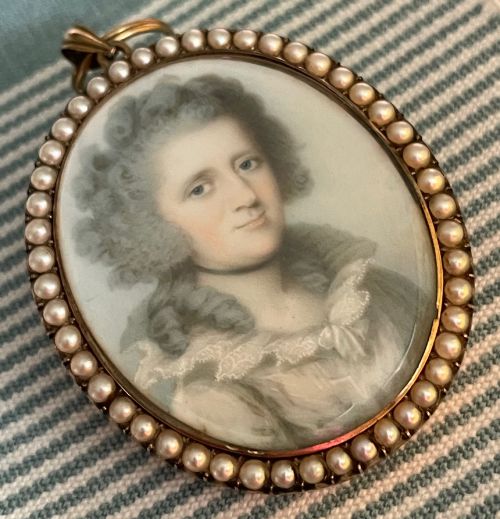
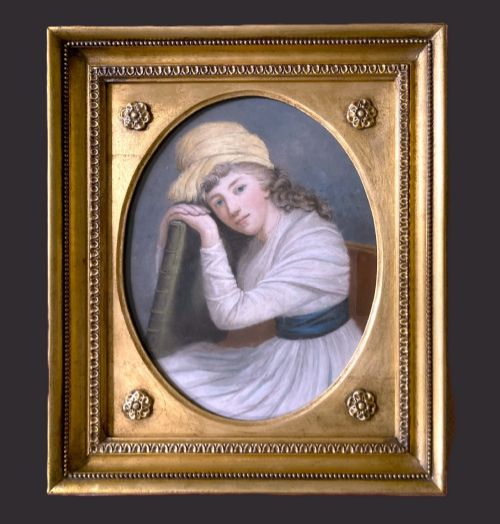
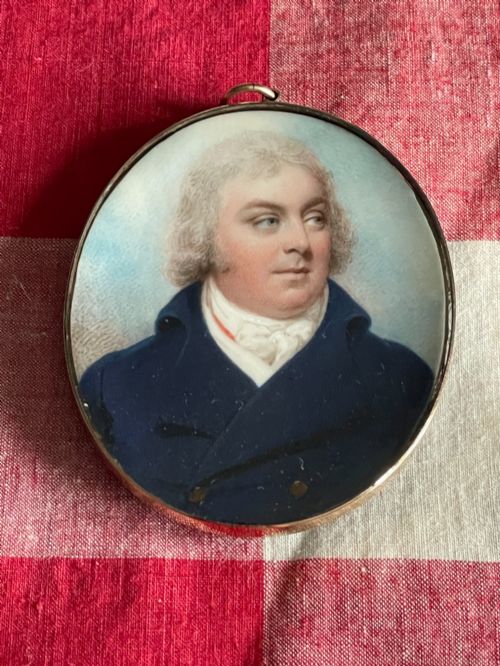
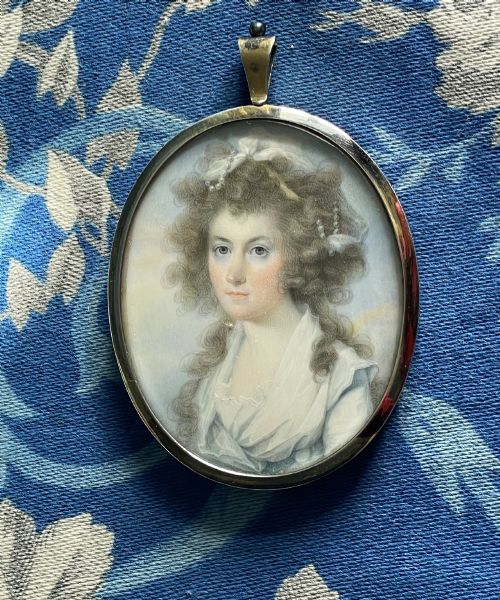
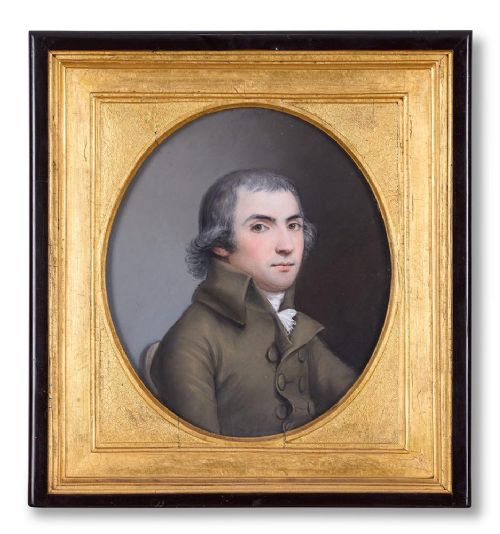
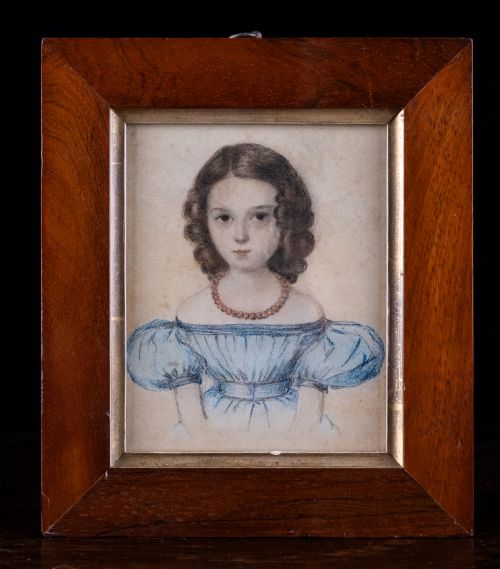
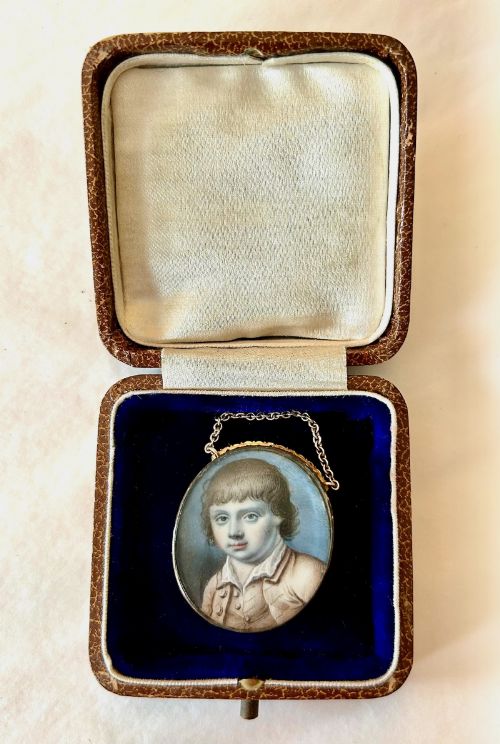
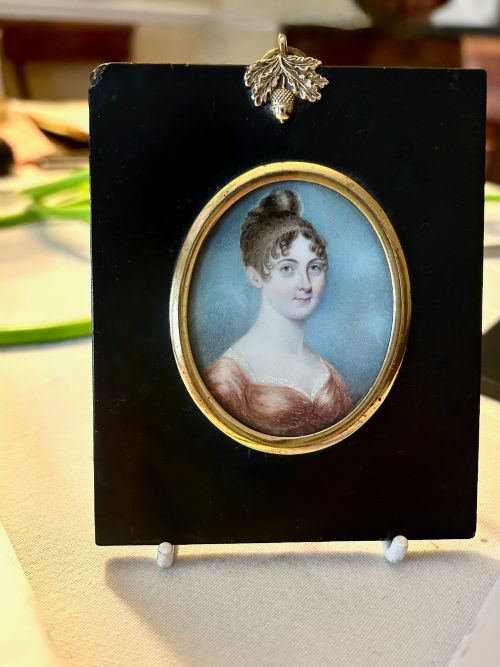
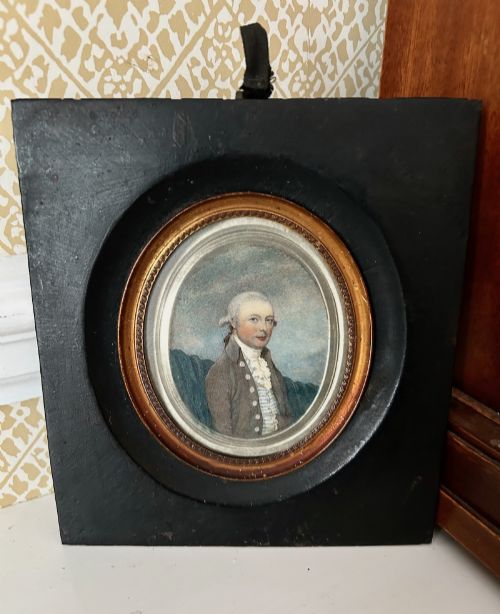
A georgian painted miniature primarily takes the form of small-scale portraiture depicting officers, gentlemen, and ladies from the eighteenth and nineteenth centuries. Buyers encounter framed artworks, pendant lockets, and marriage pairs designed to be held or worn close to the body.
The objects span periods from the seventeen-hundreds through the regency era, featuring British and European subjects rendered with precise facial expressions and period attire. These works range from single likenesses of country girls and military officers to sentimental love token brooches.
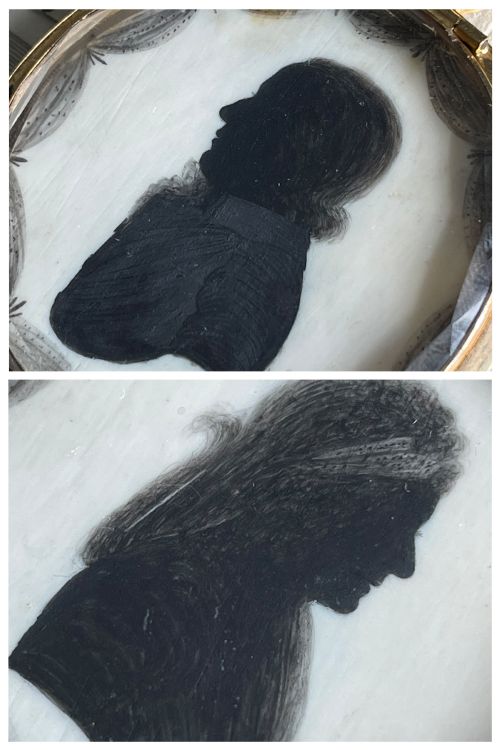
Makers utilised various formats, including oval portrait miniatures, enamel plaques, and reverse painted glass, capturing sitters with notable psychological immediacy. The selection centres on intimate watercolour studies on paper or ivory alongside silhouettes and enamel portraits.
Materials and Technique
Artists painted these small works using watercolour and gouache primarily on thin sheets of ivory or paper, building up likenesses through minute stippling and fine hatching. Enamel painting on metal surfaces provided a durable, luminous alternative that retained its vibrant colour over centuries.
Framing and mounting involved precious materials such as gold, gilt metal, brass, and ebonised wood, often incorporating glass protection and reverse painting techniques like verre églomisé. Silhouette artists combined hand-cut paper with gilded detailing to achieve sharp profile portraits.
Georgian Painted Miniature Retail Price Guide 2026
Typical asking prices for georgian painted miniature among the pieces listed under this phrase on Sellingantiques today, from the lower quarter to the upper quarter. They describe what is for sale here now, not the wider market.
Some miniature sitters gaze past the viewer with such stern expressions they appear intensely invested in the watcher's tea choices.
Evaluating Execution
Quality rests upon the precision of the facial drawing and the handling of light in the sitter's eyes and hair, where skilled artists achieved remarkable psychological depth on a tiny scale. Finer examples display confident, unhesitating brushwork that captures complex textures of lace, velvet, and military braiding without losing proportion.
The sophistication of the housing influences the overall standard, distinguishing simple wooden frames from intricate gold pendants, lockets, and enamel plaques mounted with seed pearls. The integrity of the support material, whether smooth ivory or intact glass, preserves the clarity of the underlying paint layer.
Frederick Buck·Horace Hone·Charles Shirreff·John C D Engleheart·Dumont
The Georgian Painted Miniature Glossary
- Verre églomisé
- A process of cold painting and gilding on the reverse side of glass to produce a mirror-like metallic finish around a central portrait. This technique protects the delicate design from atmospheric damage.
- Ivory support
- A thin slice of elephant tusk used as a painting surface because its translucent quality imparts a natural, lifelike glow to human skin tones. Artists prized this smooth material for holding fine watercolour pigments.
- Pendant locket
- A hinged casing designed to hold a miniature portrait and worn suspended from a chain or ribbon. Many contained locks of hair or sentimental inscriptions behind the primary image.
- Enamel plaque
- A small metal plate fused with powdered glass melted in a kiln to create a hard, glossy surface for painting. This method ensured permanent colour stability unaffected by dampness.
Georgian Painted Miniature: Frequently Asked Questions
How were miniature portraits originally worn?
Owners wore these small works as personal ornaments, suspended from ribbons around the neck or pinned directly to garments as brooches and lockets. They served as private tokens of affection, remembrance, or allegiance.
Many pieces featured hinged backs designed to conceal woven locks of hair or commemorative ciphers belonging to the depicted subject.
How do you distinguish ivory supports from paper?
Examining the surface under magnification reveals the faint cross-hatch grain characteristic of organic ivory slices. Paper supports show standard fibrous textures and absorb water-based pigments differently.
Translucency also aids identification, as thin ivory allows light to pass through and illuminate the watercolour layers.
Why do some miniatures feature military uniforms?
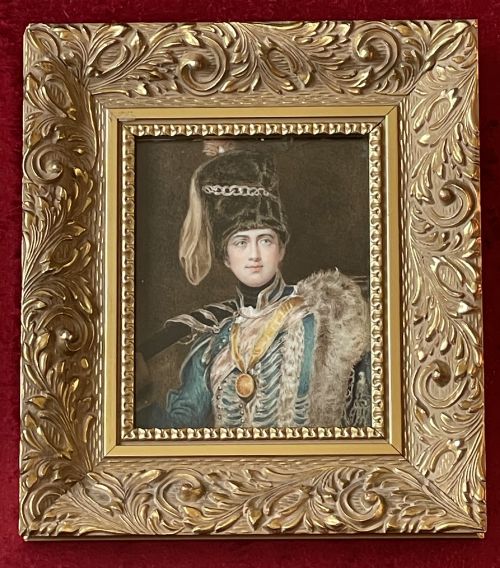
Commissioned portraits often recorded a gentleman's rank, regiment, and service during periods of conflict. Officers in red coats or specific dragoon uniforms used these likenesses to mark promotions or deployments.
Artists meticulously detailed regimental facings and metallic braiding to ensure accurate identification of the sitter's corps.