
Georgian Oil Canvas Artwork
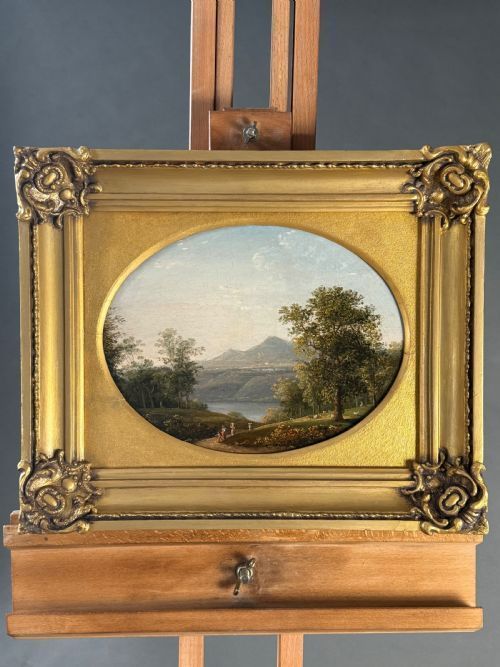
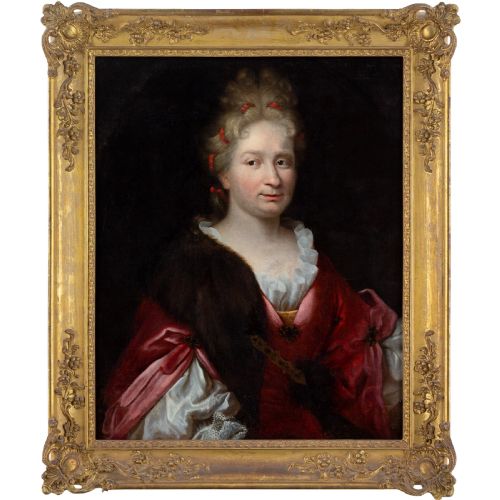
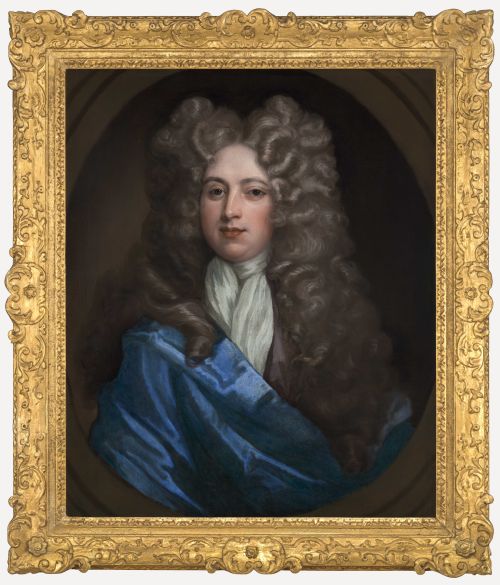
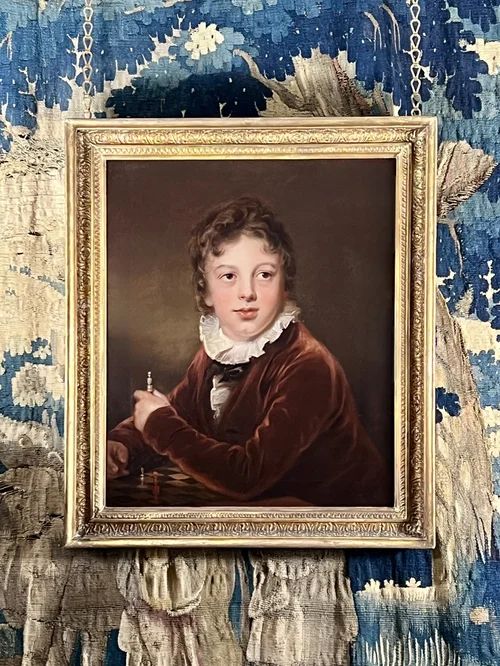
When you search for georgian oil canvas artwork, you meet centuries-old painted portraits and landscapes that bring immediate depth to a room.
Georgian Oil Canvas Artwork
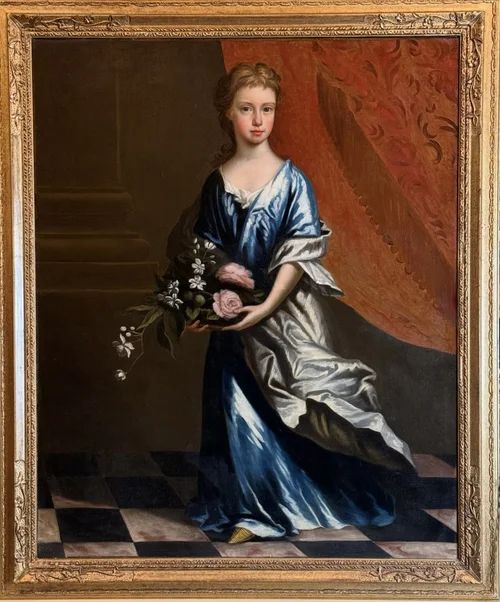
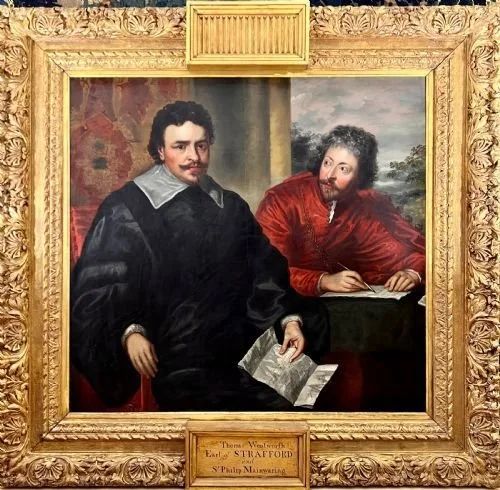
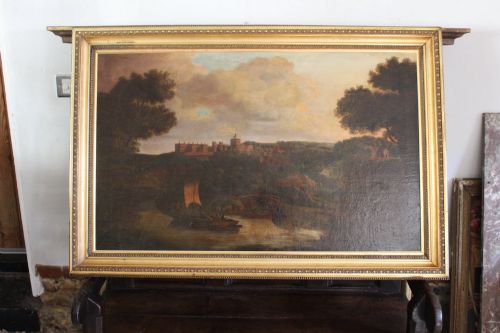
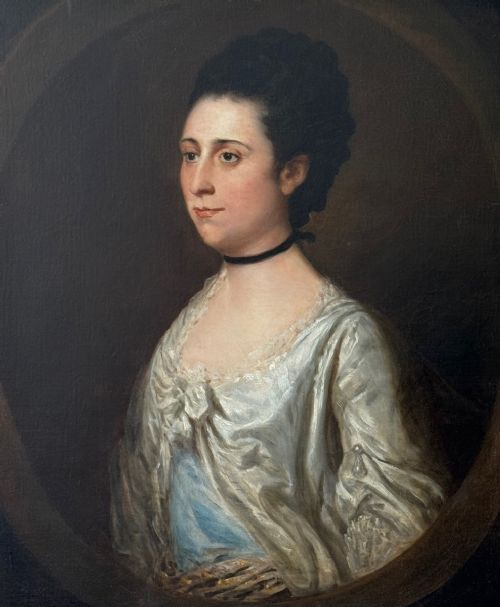
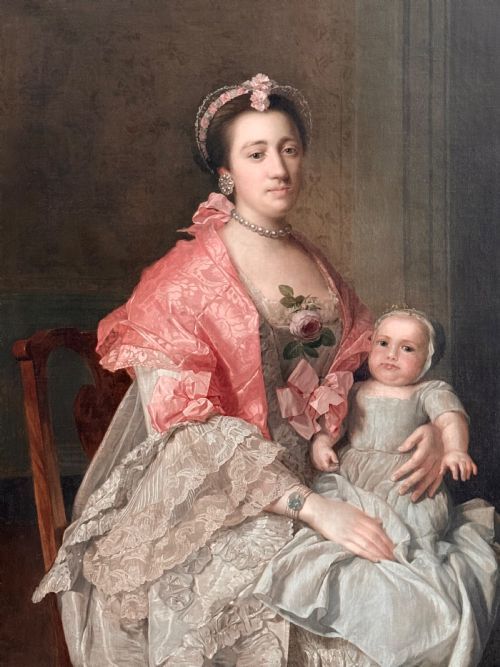
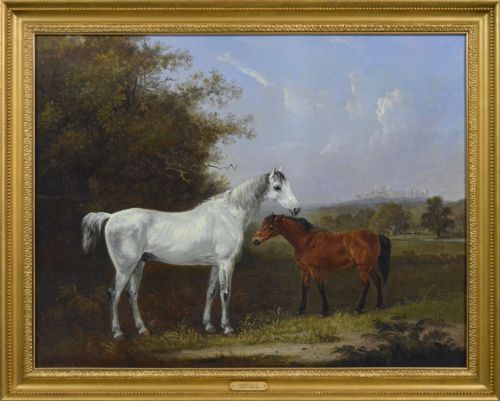
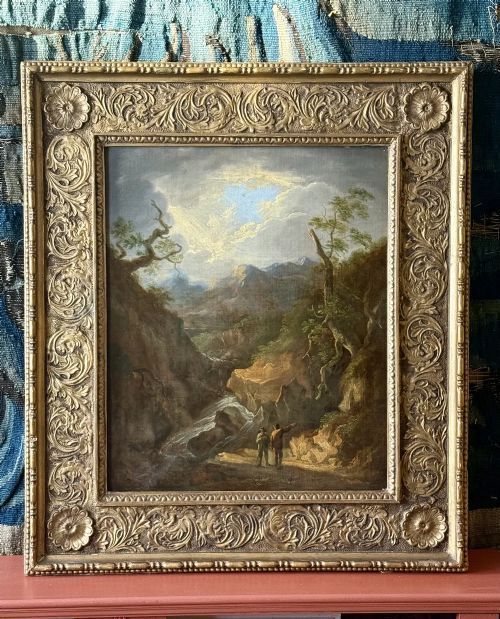
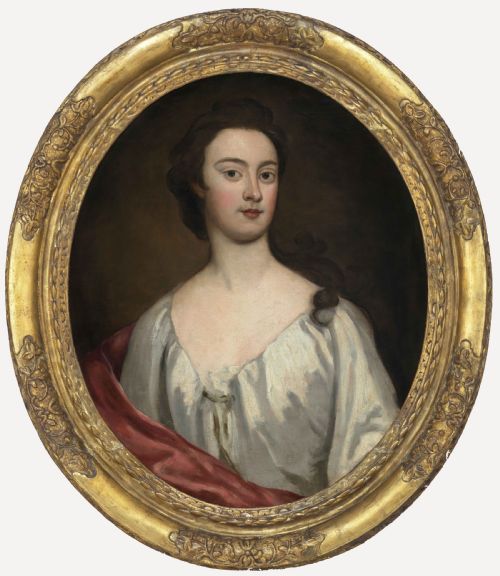
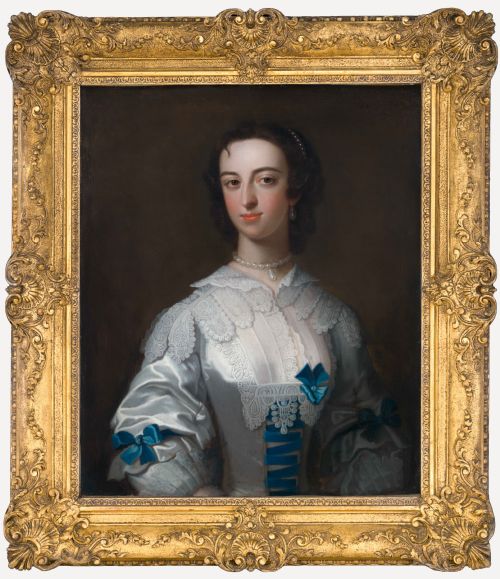
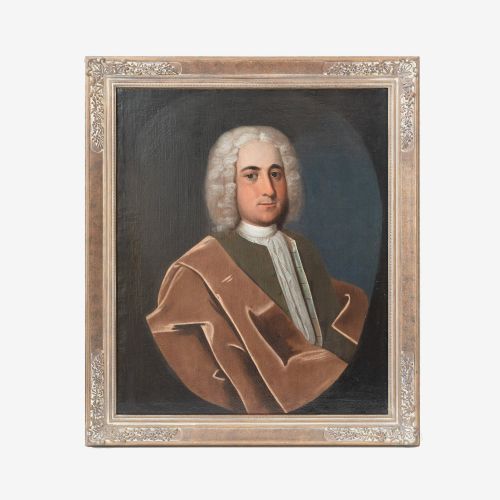
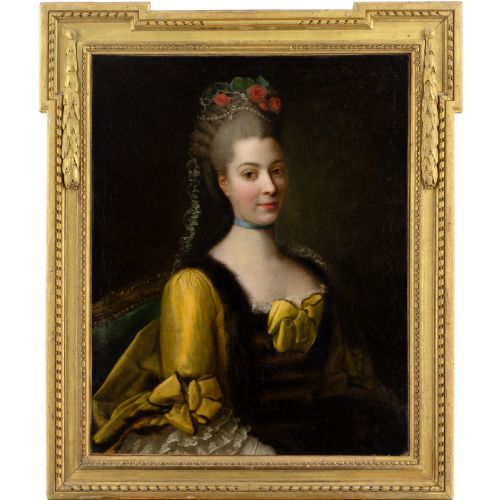
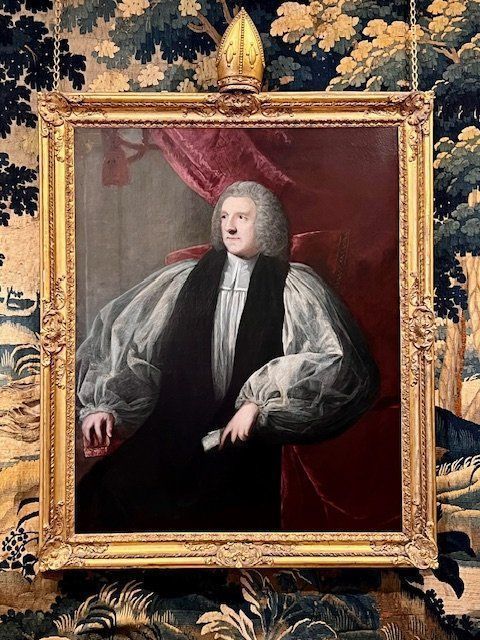
When searching for georgian oil canvas artwork, a buyer encounters oil paintings on woven fabric supports spanning the seventeenth, eighteenth, and nineteenth centuries. These works include formal portraits of gentlemen and ladies, narrative genre scenes, and pastoral landscapes.
The objects on this page largely originate from British and European schools, capturing historical figures, actors in character, and domestic subjects. Forms range from intimate half-length portraits to expansive framed canvases designed for country houses.
The selection reflects periods such as the Georgian era, Regency, and Baroque styles, utilising traditional painting techniques passed down through generations.
Materials and construction
These works are built on woven canvas stretched over wooden frames, providing a stable foundation for the application of oil paint. Pigments mixed with oils allowed artists to build rich layers, deep shadows, and subtle skin tones that endure across centuries.
Many surviving examples retain their original or period frames constructed from wood and embellished with giltwood or gold leafing. The combination of oil paint on stretched canvas within a gilded frame defines the physical presence of these pieces.
Several portraits preserve the intense gaze of long-forgotten Scottish generals, country girls, and actors who still command the room today.
Evaluating quality in paintings
Quality rests upon the skill of the brushwork, the handling of light and shadow, and the psychological depth captured in a subject's expression. Works by named masters or established studios display superior anatomical drawing and fabric rendering compared to anonymous student copies.
The condition of the canvas surface and the integrity of the original paint layers also influence the standing of a piece. Retaining untouched pigment surfaces without heavy overpainting distinguishes superior examples from heavily restored ones.
Sir Joshua Reynolds·Jean-Baptiste Van Loo·Sir Martin Archer Shee·George Willison·John Opie·Thomas Barker of Bath·J. M. W. Turner·Benjamin Barker of Bath·Samuel De Wilde·Sir Thomas Lawrence·Sir William Beechey·Margaret Sarah Carpenter·Jacob Philipp Hackert·Charles Jervas·Francis Hayman·Jeremiah Davison·Adriana Verelst
The Georgian Oil Canvas Artwork Glossary
- Oil on Canvas
- Pigments bound in a drying oil medium applied directly to a woven fabric support. This method allowed painters to achieve rich colour saturation and blended transitions.
- Giltwood
- Wood carved and coated with a thin layer of gold leaf or gold paint. Frames utilising this technique provide a reflective border that enhances the depth of the central painting.
- Genre Painting
- Artwork depicting scenes from everyday life, ordinary people, or domestic narratives rather than grand historical or mythological subjects. These compositions offer insight into past social customs.
- Baroque
- An artistic style characterised by dramatic movement, deep shadow contrasts, and grand scale. It dominates many early eighteenth-century canvases.
- Regency
- A period of British design and art spanning the early nineteenth century, known for refined classical restraint and expressive portraiture.
Georgian Oil Canvas Artwork: Frequently Asked Questions
How do I hang a heavy oil painting?
Heavy canvas works require secure wall anchors and robust picture wire attached directly to the wooden stretcher frame rather than the decorative moulding. Proper hardware distributes the weight evenly and prevents strain on the original structure.
Position the centre of the canvas at standard eye level, avoiding direct sunlight or damp walls that could compromise the stability of the wood and paint layers over time.
What is a genre painting?
A genre painting depicts everyday scenes, ordinary people at work or leisure, and domestic narratives rather than formal portraits or grand historical events. These works capture social history through informal settings and relatable human moments.
Examples on canvas range from riverside conversations to figures collecting water during summer months.
How are periods told apart?
Periods are identified through a combination of costume styling, wig designs, framing techniques, and the handling of paint. Early eighteenth-century works often feature rigid formal posture and Baroque shadow play, while Regency pieces display looser brushwork and softer fabrics.
Signatures, artist attributions, and exhibition labels on the reverse of the canvas further clarify the date of creation.