


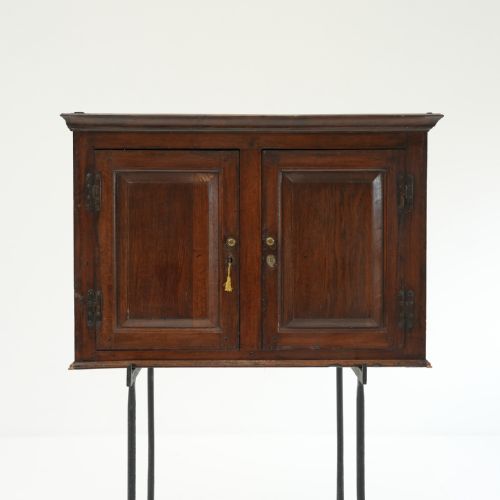


Georgian Oak Wall Box
A georgian oak wall box brings honest, utilitarian storage to a kitchen wall, offering sturdy timber and simple hanging capacity.
Georgian Oak Wall Box
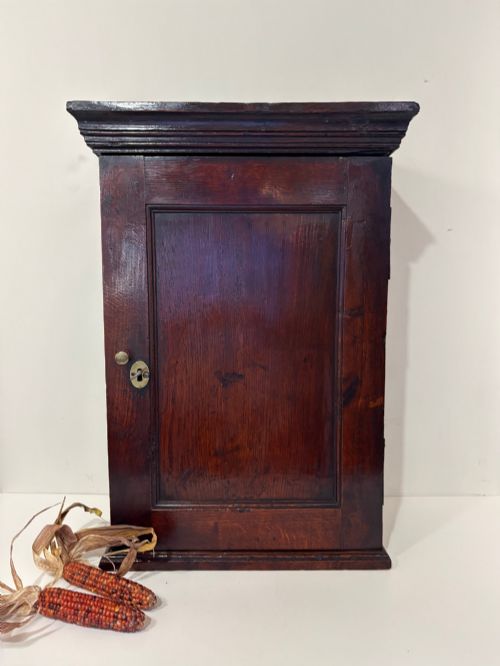
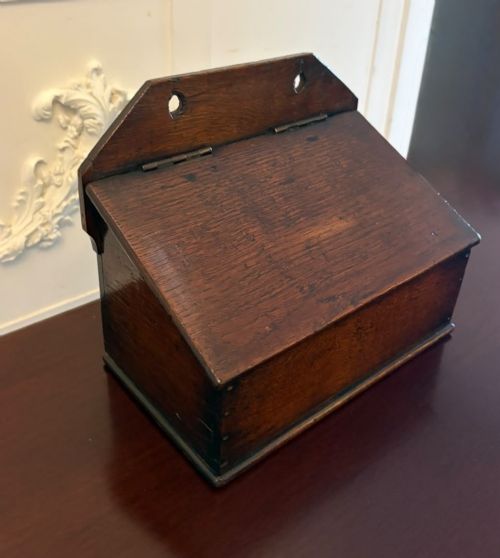
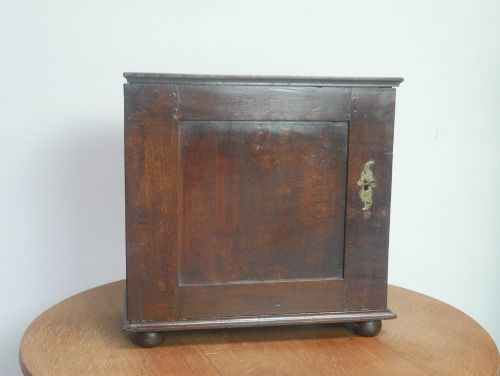
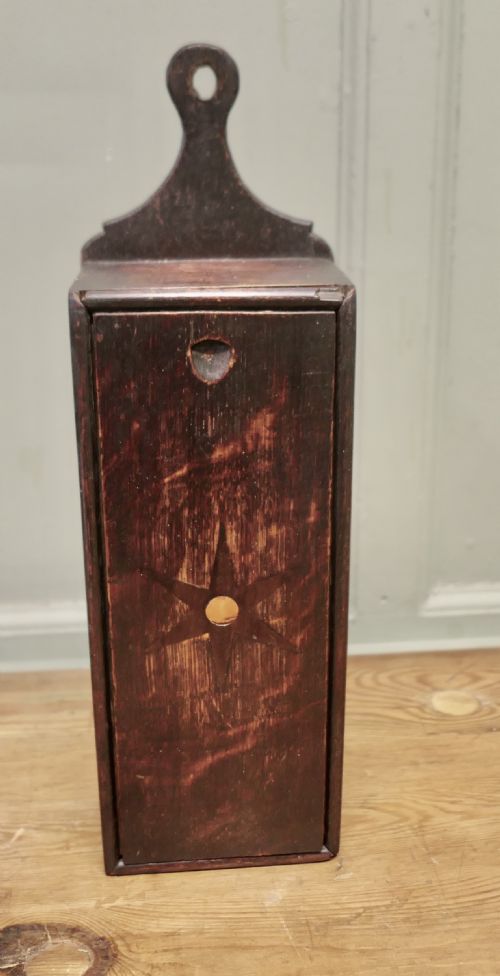
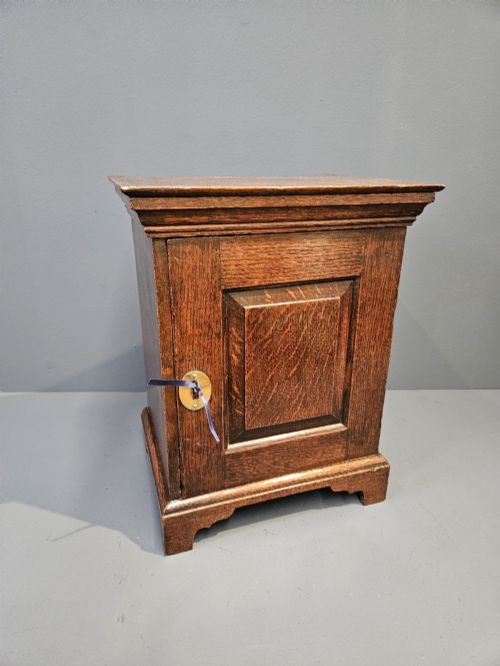
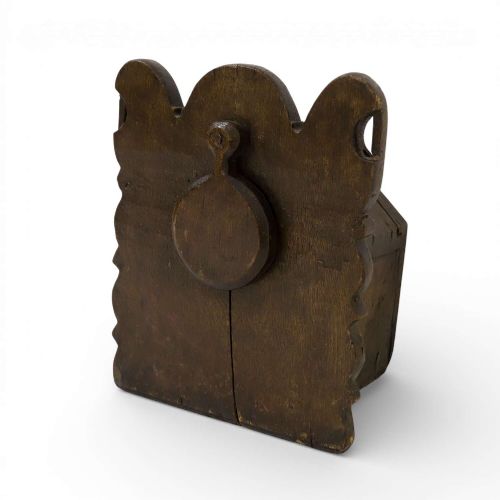
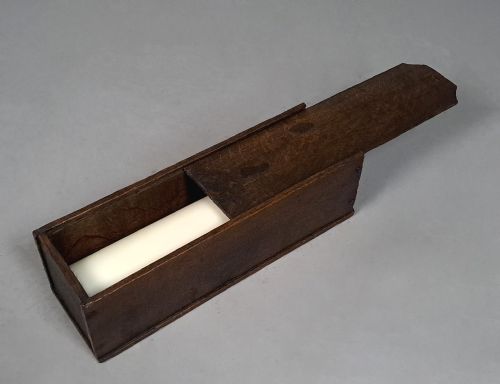
A georgian oak wall box typically takes the form of a candle box, a spice cupboard, or a salt box designed to hang securely in domestic spaces. These pieces span from the late seventeenth century through the eighteenth century and into the nineteenth century, showing strong regional English and Welsh country traditions.
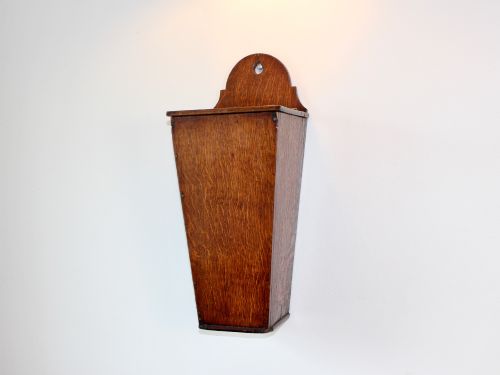
The most common versions met on this page are candle boxes and spice cupboards built from solid oak, often featuring tapered rectangular profiles or hinged lids for daily utility. Alongside these, salt boxes appear with original iron hardware and occasional traces of early paint.
Makers fashioned these utilitarian objects for everyday household management, utilising durable timber that survived decades of hard domestic use. Their straightforward construction makes them practical additions to period interiors today.
Assessing quality
Quality rests upon the integrity of the original timber and the survival of authentic hardware rather than elaborate decoration. Pieces retaining their original brass or hand-wrought iron components stand apart from those with later replacements.
Proportion and form dictate the distinction between standard utility items and finer vernacular examples. Tapered candle boxes and small spice cupboards with well-balanced dimensions demonstrate superior country craftsmanship.
Listings feature oak, pine, brass, and wrought iron across pieces spanning the seventeenth, eighteenth, and nineteenth centuries.
The Georgian Oak Wall Box Glossary
- Spice cupboard
- A small wall-hanging cabinet with internal compartments or drawers designed for storing valuable household spices and dry goods. These miniature cupboards often feature panelled doors and small brass knobs.
- Salt box
- A domestic container with a high backboard and a sloping lid, hung on the kitchen wall to keep salt dry and accessible. They frequently incorporate original iron hinges and hanging loops.
- Candle box
- A narrow hanging receptacle with a sliding or hinged lid made to protect tallow or beeswax candles from dust and pests. Eighteenth-century examples often display a tapered rectangular outline.
- Wrought iron
- Iron shaped by hammering while hot, producing visible tool marks and sturdy hardware used for hinges and latches on country furniture. This material characterises authentic period domestic metalwork.
Georgian Oak Wall Box: Frequently Asked Questions
How were wall boxes used?
These boxes held everyday household essentials like candles, salt, and spices within easy reach of the kitchen hearth. Families hung them securely on walls to keep provisions dry and safe from pests.
Their compact design saved valuable table space in smaller rooms. Everyday access meant hinges and lids experienced frequent wear.
What wood are they made from?
Most examples use solid English or Welsh oak as the primary timber for its durability and abundant local supply. Secondary woods like pine occasionally appear in internal sections or backboards.
Over the centuries, this timber developed a rich, dark patination through handling and exposure to smoke. The grain patterns vary depending on how the logs were sawn.
How do I hang a wall box safely?
Original hanging loops, brackets, or pre-drilled holes in the backboards indicate how these pieces were originally mounted to wall studs. Modern fixings should support the weight without straining fragile historical timber.
Positioning them away from direct heat sources prevents the oak from drying out and splitting. Ensuring a secure hold protects both the box and its historical hardware.
How can I tell the period?
Construction techniques, tool marks, and hardware styles offer reliable clues to dating an oak wall box. Hand-wrought iron hinges and pegged joints typically point towards seventeenth and eighteenth-century origins.
Secondary woods and wear patterns help distinguish Georgian pieces from later nineteenth-century country reproductions. Examining the depth of the patination reveals long exposure to domestic environments.