



Georgian Oak Low Cabinet
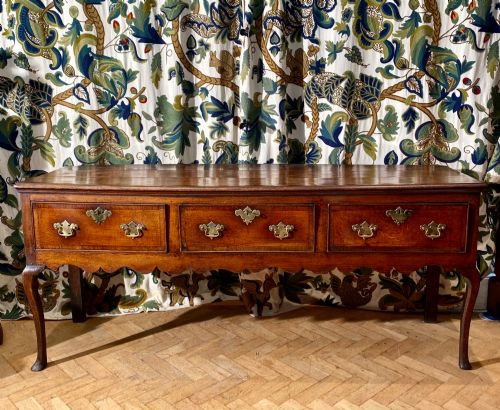
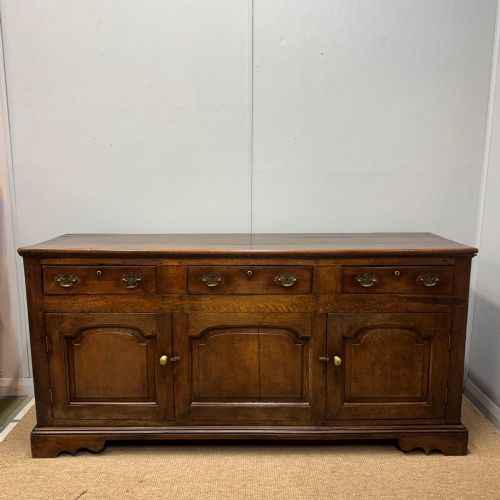
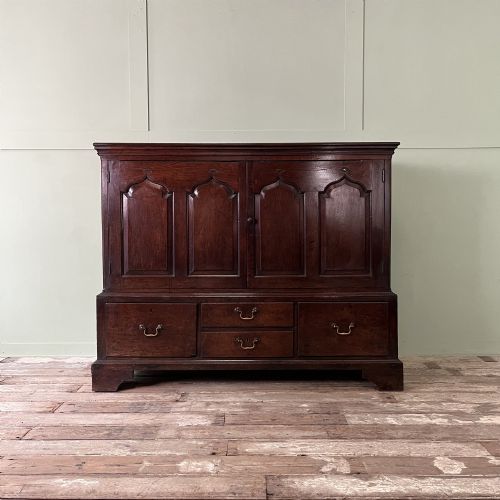
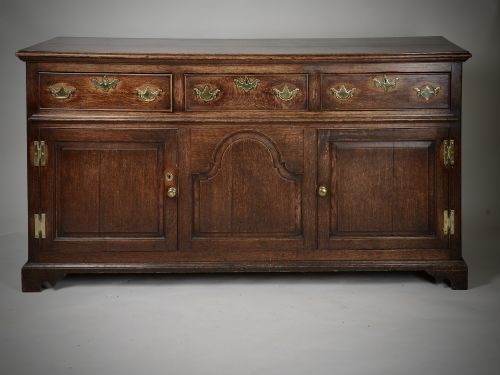
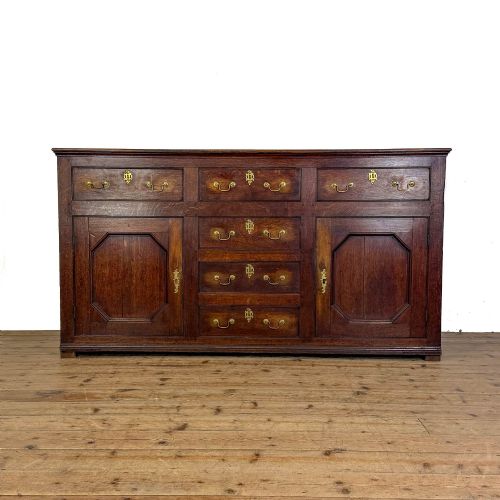
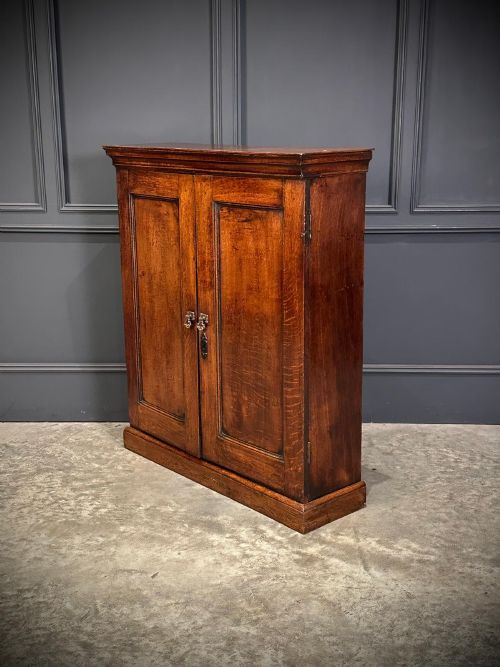
A georgian oak low cabinet is a sturdy, low-slung piece of practical furniture built to anchor a room and hold domestic stores.
Georgian Oak Low Cabinet
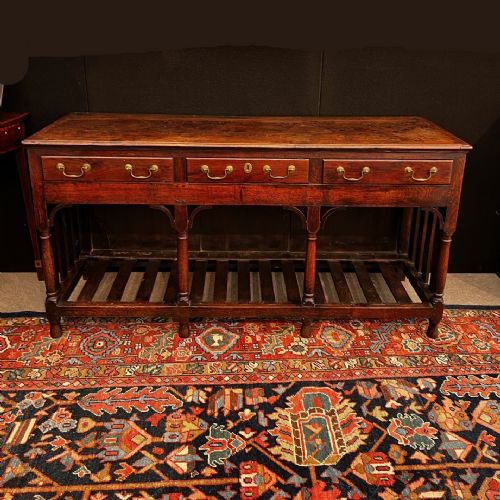
When you search for a georgian oak low cabinet, you encounter sturdy dresser bases, low cupboards, and compact side cabinets from the eighteenth and nineteenth centuries. These low-profile pieces originate from English and Welsh workshops, often combining utility with honest local craftsmanship.
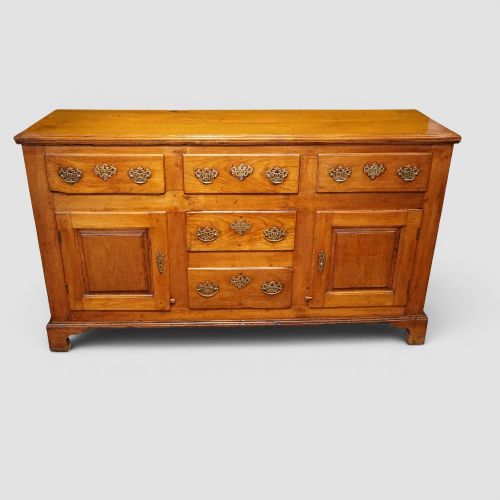
The most common forms on this page are dresser bases and low serving cabinets, frequently featuring multiple drawers or enclosed cupboard doors beneath a solid timber top. They offer substantial storage while keeping sightlines clear in a dining room or hallway.
Materials and construction
Cabinetmakers built these pieces primarily from solid English oak, frequently pairing the main structure with secondary woods like elm or fruitwood for drawer linings and internal framing. Timber selection depended on local availability, resulting in robust plank construction designed to withstand generations of daily use.
Finer examples incorporate decorative veneers such as burr elm, pollard oak, or contrasting inlay timber to create subtle patterns across drawer fronts and doors. Brass hardware, including drop handles and escutcheons, completes the construction and provides functional contrast to the dark grain of the wood.
Listings feature oak alongside contrasting materials including burr elm, fruitwood, and brass hardware across eighteenth and nineteenth-century periods.
Factors of quality
Quality in these low cabinets rests upon the depth of the timber's grain and the integrity of the original construction. Pieces retaining their untreated surface texture and untouched structural joints stand apart from those heavily restored over time.
The sophistication of the secondary woods and decorative details also dictates distinction. Simple, honest country workshop pieces differ markedly from sophisticated urban items featuring marquetry or carefully matched burr veneers.
The Georgian Oak Low Cabinet Glossary
- Dresser base
- A low cabinet or sideboard featuring drawers and sometimes cupboards beneath a broad plank top. This form served as a primary work surface and storage unit in historical kitchens and dining parlours.
- Crossbanded
- A decorative border technique where thin strips of veneer are applied to the edges of drawer fronts so that the grain runs perpendicular to the main panel. This frames the primary timber with a neat, contrasting perimeter.
- Pollard oak
- Timber taken from trees that were periodically pruned back close to the trunk, producing a dense, speckled grain pattern. Cabinetmakers valued this figured wood for ornamental drawer fronts and panels.
- Marquetry
- The art of creating decorative patterns on furniture surfaces using small pieces of various coloured woods and veneers. It requires considerable skill to fit the thin timber segments together tightly.
Georgian Oak Low Cabinet: Frequently Asked Questions
What rooms suit a low oak cabinet?
These low cabinets fit naturally into dining rooms, hallways, and living spaces where their modest height maintains open wall space. Their deep drawers and cupboards provide practical storage for tableware, linens, or modern media.
The sturdy timber tops also offer a stable surface for lamps, books, or decorative objects without dominating the room's proportions.
How do I identify eighteenth century pieces?
Eighteenth-century pieces typically display hand-cut dovetails on the drawer sides and use pegged mortise and tenon joints in the frame. The oak often shows a rich, dark patina developed through centuries of natural waxing and handling.
Examination of the backboards and interior timbers reveals tool marks and construction methods consistent with period hand-tool woodworking.
Did these cabinets come from Wales?
Many low cabinets and dresser bases originated in Welsh workshops, where local cabinetmakers utilised native oak and elm to build heavy, utilitarian furniture. Welsh pieces often feature distinct proportions and robust board construction suited to rural households.
Regional variations in drawer configuration and mouldings help identify the specific geographical roots of individual items.
How should I care for old oak furniture?
Maintain old oak by applying a traditional beeswax polish sparingly and buffing it with a soft cloth to preserve the surface sheen. Avoid placing the timber near direct heat sources or in strong sunlight, which can dry out the wood and cause splitting.
Consistent indoor humidity keeps the historical boards stable and prevents the shrinkage of joints over time.