
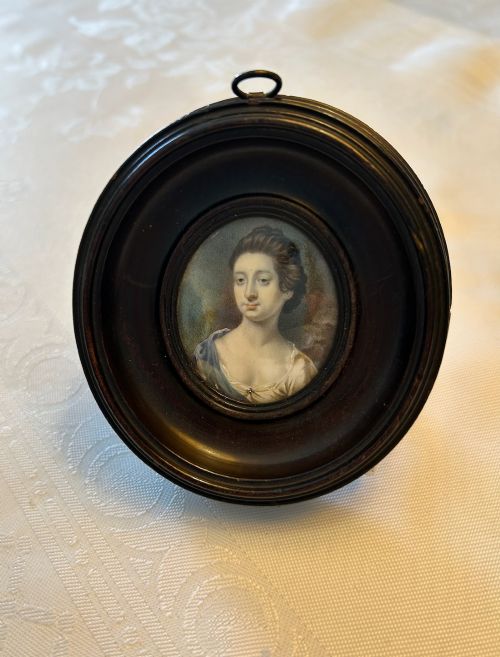


Georgian Miniature Portrait Lady
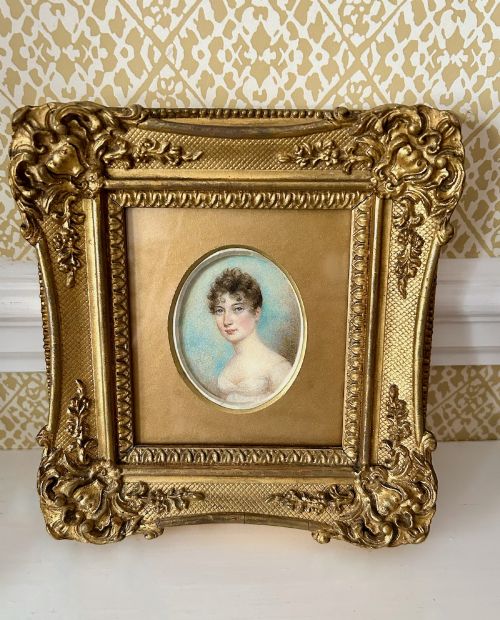
A georgian miniature portrait lady brings intimate, delicate likenesses of female subjects from the eighteenth and nineteenth centuries into modern spaces.
Georgian Miniature Portrait Lady
A georgian miniature portrait lady captures the likeness of female subjects in small, intimate formats originating primarily from the eighteenth and nineteenth centuries. These works span the Georgian, Regency, and early Victorian periods, encompassing styles from the 18th Century Rococo to English Regency and Victorian adaptations.
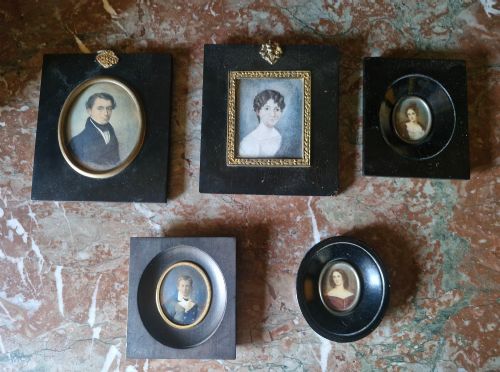
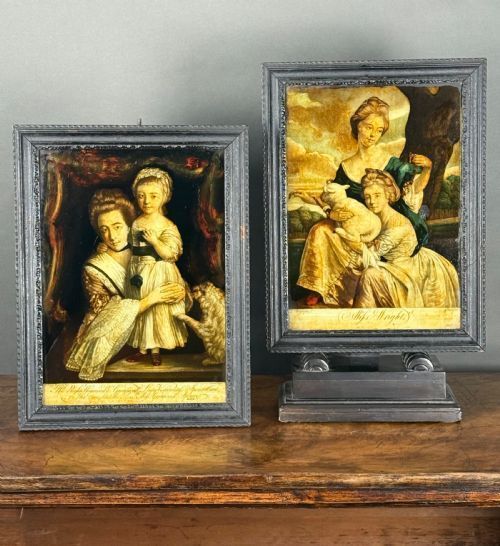
The objects appear in various formats such as framed art, wall art, stick pins, and standalone paintings. Subjects range from named sitters like Countess Spencer and Lady Georgiana to unknown female models, comic actresses, and duchesses depicted in profile or bust-length poses.
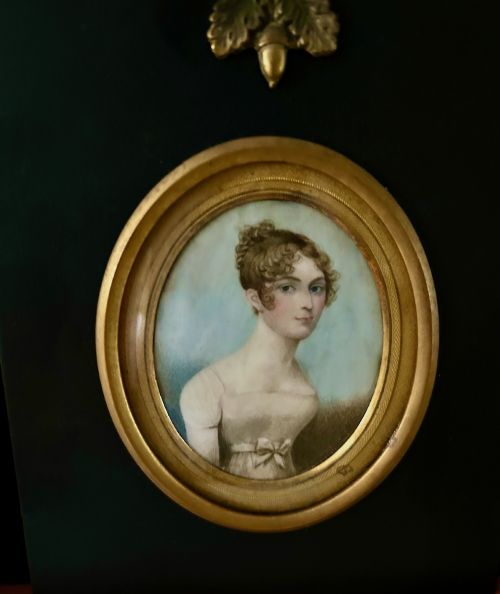
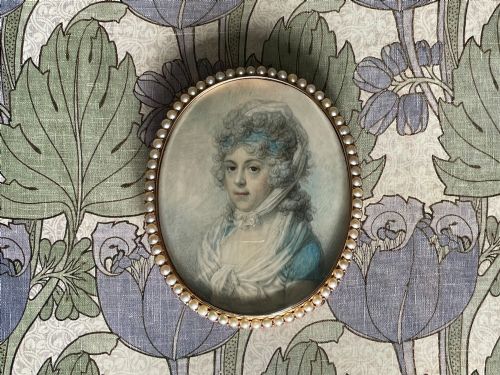
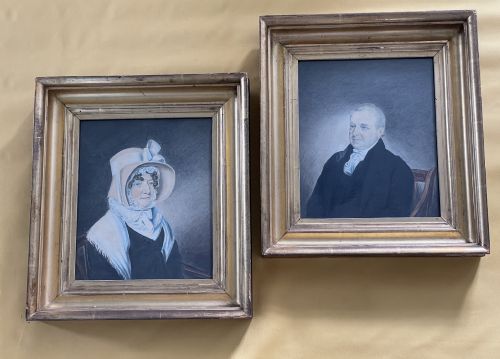
Most examples on this page date from the Georgian and Regency eras, executed on materials ranging from paper and ivory to glass and porcelain. They frequently feature delicate details such as lace caps, turbans, ringlets, and blue gowns.
How they were made
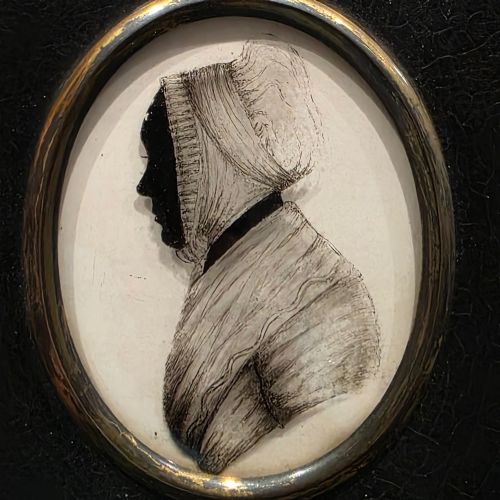
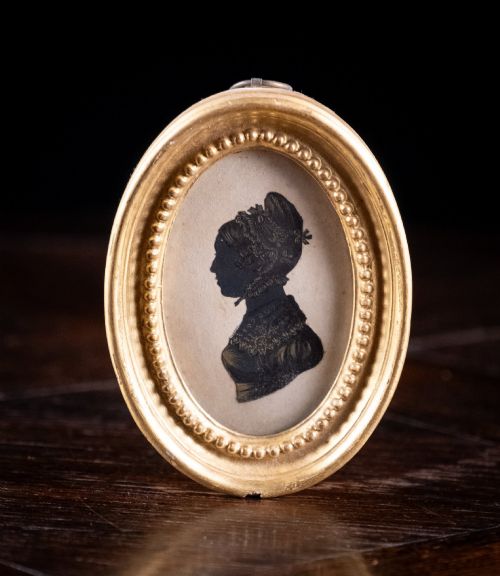
Artists painted these works using watercolour, gouache, pastel, and oil on supports including paper, ivory, copper, and porcelain. Silhouette versions employed reverse painting on glass or paper cuttings mounted in frames.
Framing materials typically include brass, gilt wood, ebonised wood, rosewood, and giltwood. Protective convex or flat glass frequently covers the painted surface to shield the delicate pigments from dust and moisture.
Listings feature works from the 18th century, Regency, and Victorian periods executed in watercolour, oil, and silhouette.
What varies in quality
Quality rests upon the precision of the brushwork and the psychological depth captured in the sitter's expression. Master practitioners render lace, hair ringlets, and textiles with extraordinary fineness, whereas lesser examples remain stiff and generalized.
The integrity of the original housing - whether an ebonised wood frame, a brass mount, or a rosewood case - contributes significantly to the piece. Well-preserved works retain their original glass and backing without modern repairs or pigment fading.
Richard Cosway·William Naish·Nicolas Freese·George Atkinson·George Hargreaves·Archibald Skirving·Thomas Woolnoth·William Grimaldi·Henry Jacob Burch·Ozias Humphry·Isaac Wane Slater·Jeremiah Steele
The Georgian Miniature Portrait Lady Glossary
- Miniature portrait
- A small-scale painting designed for intimate viewing, often executed on ivory, vellum, or paper. These works required immense skill due to their restricted dimensions.
- Silhouette
- A profile likeness cut from black paper or painted onto card, plaster, or glass. Reverse painted examples feature dark pigments applied directly to the rear of the glass.
- Gouache
- An opaque water-based paint composed of pigment, water, and a binding agent such as gum arabic. It provides solid, vibrant areas of colour in portrait miniatures.
- Ebonised wood
- Timber treated with a dark finish to imitate expensive ebony. This material was frequently utilised for frames to create a strong visual contrast with pale skin tones.
Georgian Miniature Portrait Lady: Frequently Asked Questions
How were miniature portraits displayed?
These small works were hung closely together on domestic walls or kept inside protective cases and desk drawers for private contemplation. Owners also wore them as jewellery, incorporating them into stick pins or lockets.
Displaying them away from direct sunlight protects the fugitive watercolours and delicate ivory supports from fading over time.
What materials did artists use?
Painters utilised watercolours, gouache, and oil on thin slices of ivory, paper, card, copper, and porcelain. Silhouettes relied on black card or reverse painting on glass.
Frames were constructed from brass, ebonised wood, rosewood, and gilded timber, often featuring convex glass to cover the artwork.
How do I date a miniature portrait?
Dating relies heavily on the sitter's costume, including hairstyles, bonnets, lace collars, and gown cuts. Regency pieces often display high-waisted dresses and turban caps, while earlier Georgian examples feature elaborate powdered hair.
Signatures, artist inscriptions on the reverse, and period framing techniques provide additional chronological markers.
Who were the sitters in these portraits?
Sitters included titled aristocrats, family friends, literary figures, and theatrical performers such as leading comic actresses. Many portraits recorded betrothals, marriages, or family lineage.
Unidentified sitters frequently appear, as many commissions served personal mementos for relatives rather than public exhibition.