




Georgian Miniature Drawing
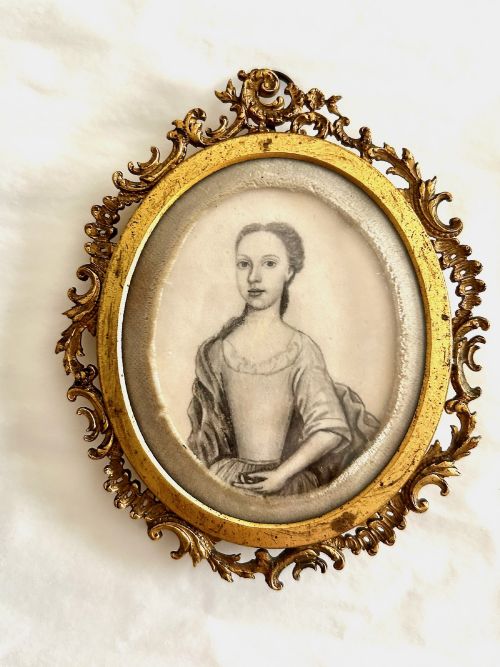
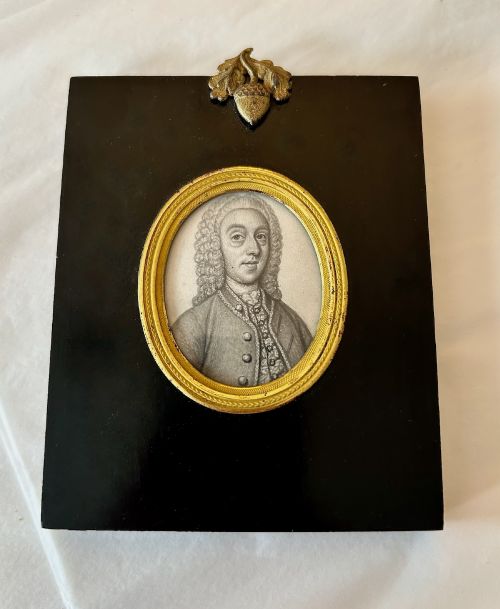
Georgian miniature drawing captures intimate likenesses on small sheets of paper, offering collectors a direct window into eighteenth and nineteenth-century domestic life.
Georgian Miniature Drawing
The most common examples on this page date from the eighteenth century and the Regency era, featuring single sitters, family groups, or children. Portrait miniatures and silhouette profiles dominate the selection, reflecting the prevailing portraiture tastes of the period.
Many of these works display the hand of known artists or circle members, while others remain anonymous records of family friends and gentlefolk. The physical formats range from single framed pieces to sets and pairs executed with fine, controlled marks on paper.
Materials and technique
Framing materials such as glass, brass, and giltwood protect the fragile paper surfaces from atmospheric damage while enhancing the presentation of small-scale works. Pastels and cut-out silhouettes demonstrate alternative techniques employed by practitioners to achieve striking profile likenesses.
Georgian Miniature Drawing Retail Price Guide 2026
Typical asking prices for georgian miniature drawing among the pieces listed under this phrase on Sellingantiques today, from the lower quarter to the upper quarter. They describe what is for sale here now, not the wider market.
Assessing quality and execution
The degree of draughtsmanship separates superior examples from more rudimentary works, visible in the handling of facial anatomy, expression, and the crispness of the pencil or plumbago lines. Finer portraits capture individual character and texture in hair and clothing with remarkable economy.
Condition plays a major role in evaluation, particularly the preservation of the paper support against foxing or fading, alongside the integrity of the original glass and framing elements. Attribution to a recorded hand or documented miniaturist elevates the significance of a drawing within its period context.
James Ferguson·John Taylor·Ozias Humphry·Nathaniel Bermingham·Henry Edridge
The Georgian Miniature Drawing Glossary
- Plumbago
- A drawing executed in black lead, which was the precursor to the modern graphite pencil. These monochrome works are particularly characteristic of seventeenth and eighteenth-century portraiture.
- Miniature portrait
- A small-scale painting or drawing depicting a person, designed for intimate viewing or portable display. They were frequently mounted in protective cases or frames.
- Giltwood
- Wood that has been coated with gold leaf or a gold-coloured finish. This material is commonly found on the decorative frames housing period artwork.
- Silhouette
- A solid, dark profile image of a person, typically cut from paper or painted against a pale background. Regency examples often incorporate fine pencil details or gilded highlights.
Georgian Miniature Drawing: Frequently Asked Questions
What is a plumbago drawing?
A plumbago drawing is an early form of graphite portraiture executed on paper using pure black lead. Artists used this medium to achieve high levels of linear detail in small-scale works.
These pieces emerged as a popular alternative to painted miniatures during the eighteenth century, prized for their tonal subtlety and precision.
How were these miniatures displayed?
Period miniatures were typically framed in wood, brass, or giltwood and hung in domestic interiors or kept as personal keepsakes. Their small scale allowed owners to group multiple family portraits together on a wall.
Protective glass was standard practice to prevent the fragile paper and graphite surfaces from degrading over time.
How do I identify a Regency drawing?
Regency-era works often reflect the distinct portrait styles and costume details of the early nineteenth century. Sitters appear in Regency attire, and the handling of pencil and watercolour shows the lighter, more expressive palette of the period.
Paper stock and framing styles also offer clues to dating, aligning with the aesthetic shifts away from earlier rococo conventions.
Are these works signed by artists?
Some drawings feature artist signatures, inscriptions, or contemporary attribution notes on the paper or reverse of the frame. Others remain anonymous or are attributed to specific circles through stylistic comparison.
Documentation on the mount or backing paper often records the identity of the sitter or the hand of the miniaturist.