

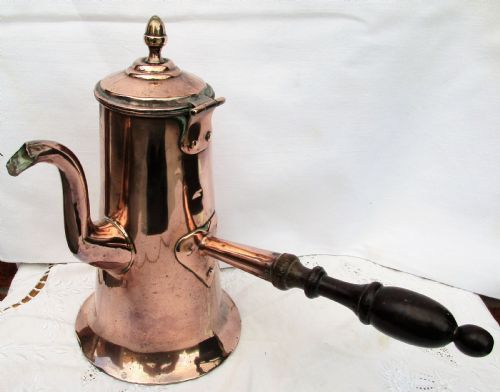
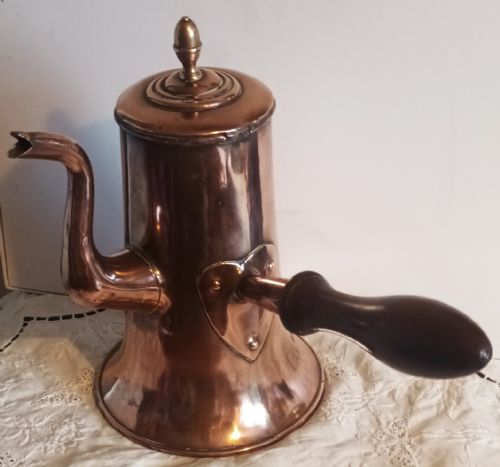
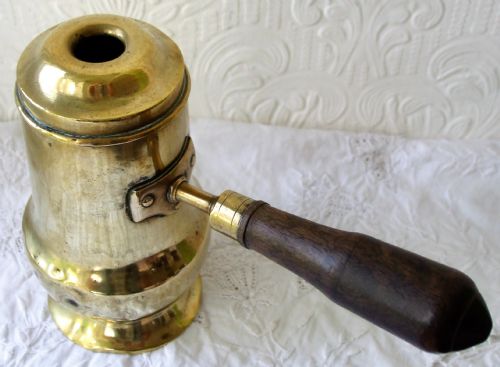


Georgian Metal Coffee Pot
A georgian metal coffee pot brings domestic warmth and heft to a room, serving as a functional piece of daily heritage.
Georgian Metal Coffee Pot
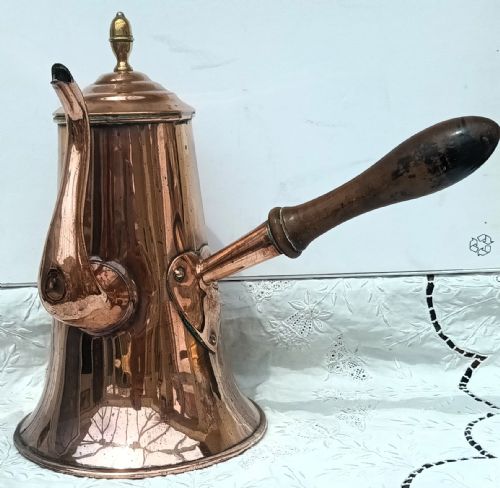
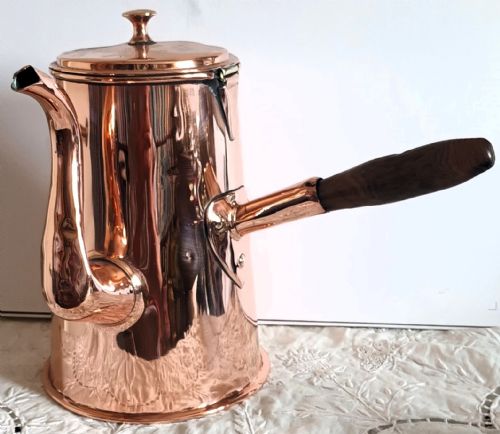
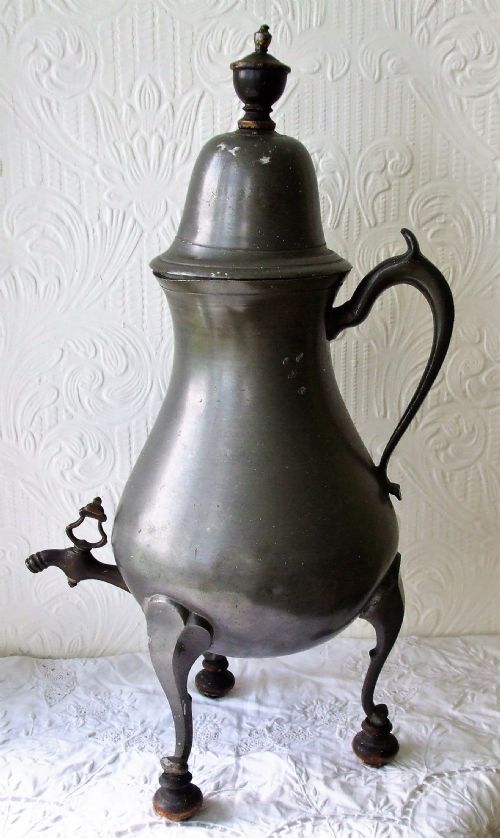
When searching for a georgian metal coffee pot, buyers encounter vessels spanning the eighteenth and nineteenth centuries, including utilitarian coffee pots and large coffee urns. These pieces function primarily as tableware and serveware, designed to handle hot beverages for the table.
The most frequent form on this page is the copper coffee pot, often paired with side handles or wooden elements. Pieces range from English origins to Dutch workshops, reflecting the practical domestic life of the period.
How they were made
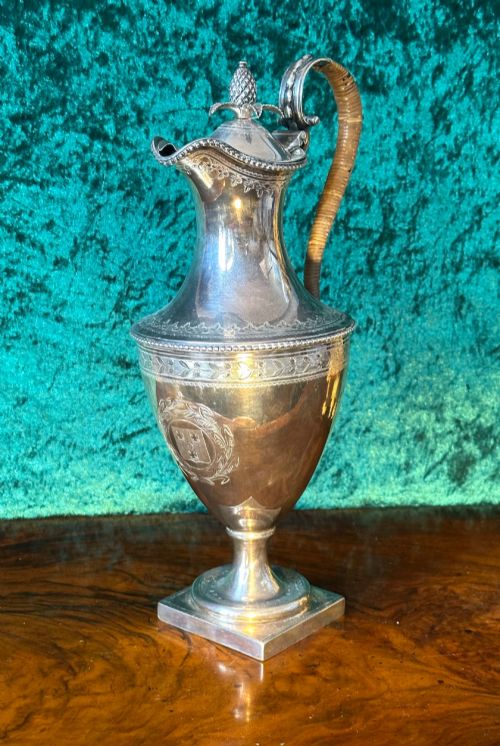
Makers shaped these vessels from copper, brass, and pewter, hammering the metal to achieve durable bodies for daily service. Workshops incorporated wood and wicker for insulation on handles, protecting the hand from heat during pouring.
Other examples utilise silver plate or traditional Sheffield plating techniques over base metals, providing a bright surface finish. Construction methods focused on utilitarian strength, joining spouts and handles securely to the main body.
Georgian Metal Coffee Pot Retail Price Guide 2026
Typical asking prices for georgian metal coffee pot among the pieces listed under this phrase on Sellingantiques today, from the lower quarter to the upper quarter. They describe what is for sale here now, not the wider market.
Some eighteenth century pots feature side handles, requiring an entirely different wrist action to pour morning coffee.
What varies in quality
Quality rests in the weight of the metal and the integrity of the joins where spouts and handles meet the body. Thicker gauge copper and well-balanced pewter urns demonstrate superior construction, remaining stable when filled.
The refinement of the silhouette and the handling of surface finishing distinguish finer examples from standard utilitarian ware. Makers who incorporated detailed wooden insulators or refined side handles elevated the piece beyond simple kitchen utility.
William Soutter & Sons
The Georgian Metal Coffee Pot Glossary
- Coffee urn
- A large heated vessel designed for dispensing coffee at the table. These pieces often feature spigots and substantial capacity.
- Sheffield plate
- A fused composite material made by applying a thin sheet of silver to a copper base. This technique preceded modern electroplating.
- Ewer
- A large jug with a flared spout, used historically for pouring water or beverages. Some examples double as coffee vessels.
- Pewter
- A malleable metal alloy consisting primarily of tin, used for domestic tableware and vessels. It develops a soft, dark grey patina over time.
Georgian Metal Coffee Pot: Frequently Asked Questions
What materials make up a georgian metal coffee pot?
These vessels appear in copper, brass, pewter, and silver plate. Makers frequently added wood or wicker to handles for insulation.
Such materials reflect the domestic requirements of eighteenth and nineteenth century households, balancing durability with functional design.
How do coffee pots differ from coffee urns?
Coffee pots are smaller handled vessels intended for pouring directly into cups at the table. Coffee urns are larger receptacles, often featuring spigots for communal service.
Both forms served similar social roles in the home but catered to different gatherings and scales of hospitality.
Where were these metal vessels made?
Origin points include English and Dutch workshops, reflecting shared European domestic traditions of the period. Makers utilised regional metalworking techniques to produce both utilitarian and refined wares.
Attribution often relies on construction methods rather than explicit maker marks.
How do I care for antique metal serveware?
Gentle dusting and minimal interference preserve the natural surface patinas developed over centuries. Avoid harsh chemical cleaners that strip the historic finish from copper or pewter.
Displaying these pots away from direct moisture ensures the wood and wicker handle components remain stable.