



Georgian Metal Box
A georgian metal box brings pocket-sized utility and cabinet elegance together through copper, brass, iron, enamel and gold.
Georgian Metal Box
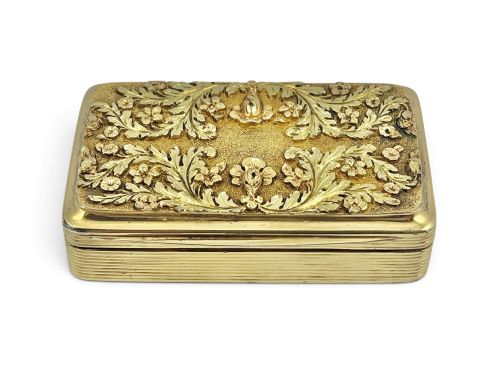
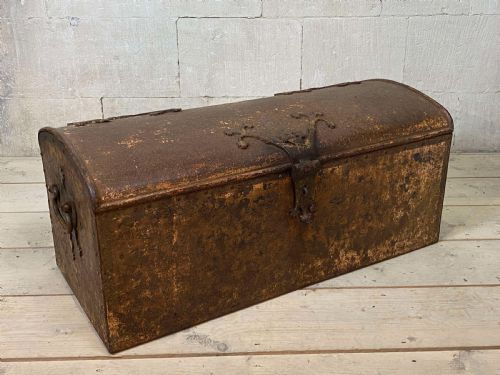
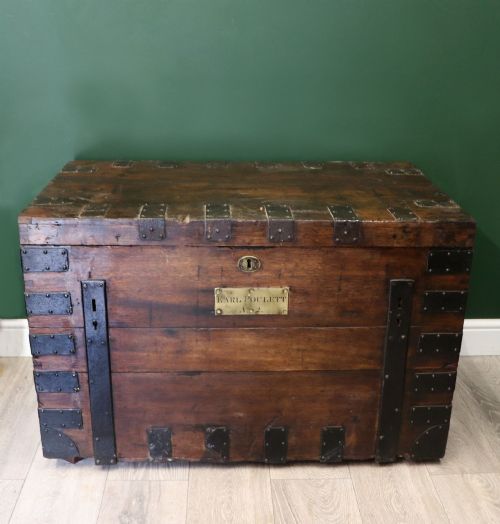
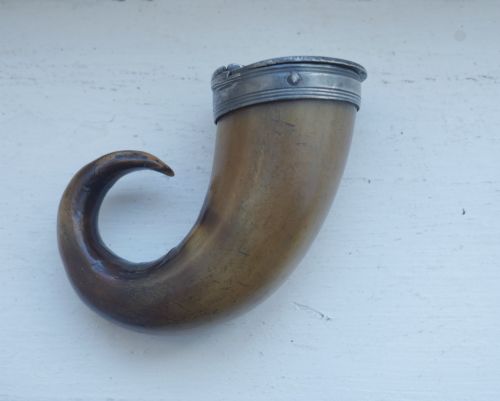
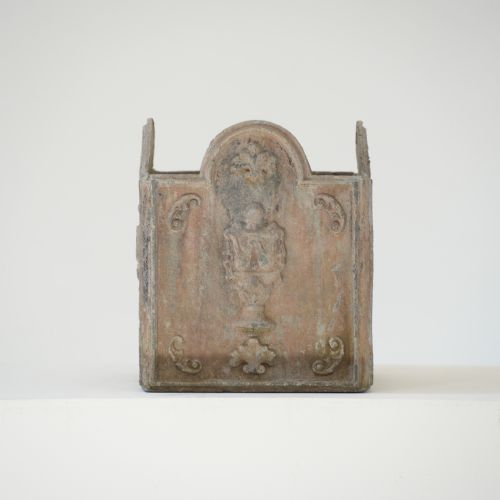
A georgian metal box encompasses small personal containers, pocket snuff boxes, vinaigrettes, patch boxes and larger household storage pieces like trunks, deed caskets and spice boxes. Buyers searching for a georgian metal box generally encounter pocket-sized items fashioned for tobacco, snuff or scent, alongside heavier iron safes and travelling trunks bound in metal strips.
The objects span the eighteenth and nineteenth centuries, reflecting the broader Georgian, Regency and early Victorian periods. Form follows daily domestic or personal habits, yielding small oval, rectangular and book-shaped containers designed to hold dry goods, cosmetics or documents securely.
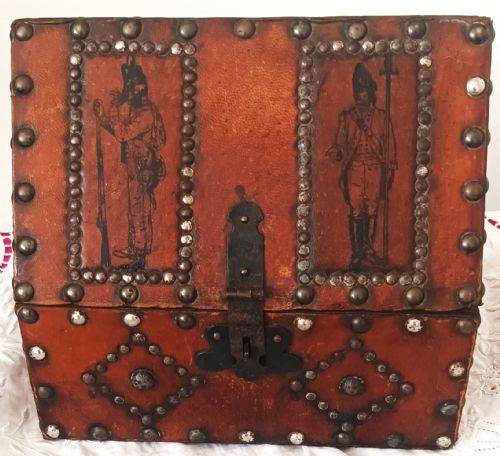
Materials range widely across the selection, uniting base metals like copper, brass, iron and pewter with finer precious metals, gilt surfaces and delicate enamel panels. Some examples pair wood or leather carcasses with robust metal mounts, hinges and locks.
Materials and construction methods
Construction relies on sheet brass, copper, iron and tin shaped through cutting, folding and riveting, often enhanced by cast decorative mounts and pierced internal grilles for vinaigrettes. Enamel work involves fusing vitreous powdered glass onto copper bases at high temperatures, frequently resulting in polychrome scenes painted by hand.
Precious metals such as gold and silver-gilt are worked into intricate boxes using casting, chasing and engraving techniques, producing crisp rococo motifs, engine-turned patterns and heraldic crests. Leather-bound trunks and wooden caskets integrate iron brackets, studs and strapwork to reinforce joints and protect corners during transit.
Georgian Metal Box Retail Price Guide 2026
Typical asking prices for georgian metal box among the pieces listed under this phrase on Sellingantiques today, from the lower quarter to the upper quarter. They describe what is for sale here now, not the wider market.
Pocket nutmeg graters tucked inside Georgian pocket boxes kept gentlemen ready to season their tavern punch on the move.
Judging quality and craftsmanship
Quality rests upon the crispness of the chasing, the precision of the hinge alignment and the delicacy of any hand-painted enamel miniature or engraved cartouche. Superior boxes exhibit tight-fitting lids, secure latches and well-finished interior gilt washes that show little sign of wear.
The distinction between standard utility items and high-end presentation pieces lies in the choice of materials and the depth of labour invested by the maker or silversmith. Fine gold snuff boxes and signed enamel works display meticulous attention to detail across every hidden edge and internal compartment.
Samuel Pratt·Jacob Amyand·Giles Loyer·Alexander James Strachan·Seabrook of St.Pauls
The Georgian Metal Box Glossary
- Vinaigrette
- A small hinged container housing a pierced internal grill, designed to hold a sponge soaked in aromatic vinegar or smelling salts. These portable accessories were essential for reviving spirits in crowded rooms.
- Toleware
- Enamelled or lacquered sheet metal, typically tin or iron, decorated with painted scenes or floral motifs. This technique brought durable colour and pattern to domestic storage containers.
- Snuff box
- A small pocket receptacle made to hold dry powdered tobacco safely away from moisture. They are frequently fashioned from metal, horn, wood or shell with tight snap-shut lids.
- Old Sheffield Plate
- A composite material formed by fusing a thin sheet of silver to a thicker copper base under heat and pressure. It allowed makers to produce items with the appearance of solid silver at a lower cost.
- Cellarette
- A lockable container or cabinet designed to hold bottles of wine or spirits securely. Georgian examples often feature internal metal canisters or wooden dividers.
Georgian Metal Box: Frequently Asked Questions
What is a georgian metal box used for?
These boxes served practical daily purposes such as carrying tobacco, snuff, spices, patch cosmetics or smelling salts in the pocket or travelling luggage. Larger versions secured household documents, candles or valuables.
Over time, their roles shifted from utilitarian pocket gear to collectible cabinet objects appreciated for their craftsmanship and miniature artistry.
How do I care for antique metal boxes?
Keep these pieces in stable indoor conditions away from dampness and direct sunlight to protect delicate enamel panels, leather bindings and original gilding. Gentle dusting with a soft cloth is usually sufficient.
Avoid abrasive metal polishes or chemical cleaners that can strip away thin gold washes, patinas or hand-painted surface details.
How do I date a georgian metal box?
Dating relies on combining stylistic clues, such as rococo scrolls or neoclassical restraint, with material evidence like sheet iron, brass hinges or enamel formulas. Maker marks and hallmarked precious metals provide precise chronological anchors when present.
Construction traits, including hand-cut dovetails, forge marks and early locking mechanisms, also help narrow down the period of manufacture.