




Georgian Marble Top
A georgian marble top brings substantial weight and smooth mineral surface to a room, uniting timber structure with cool stone.
Georgian Marble Top
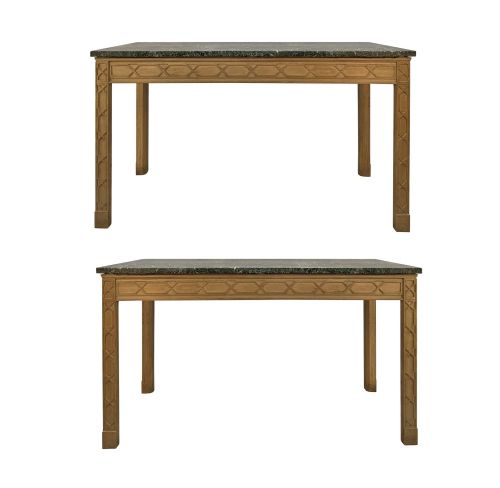
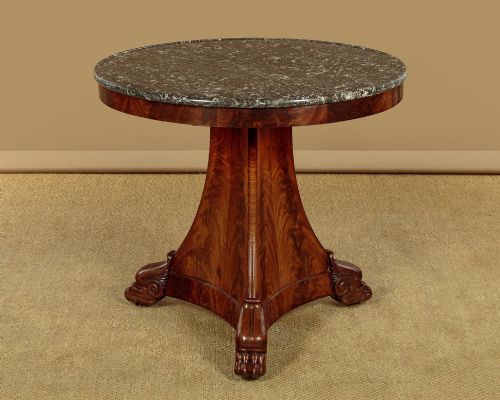
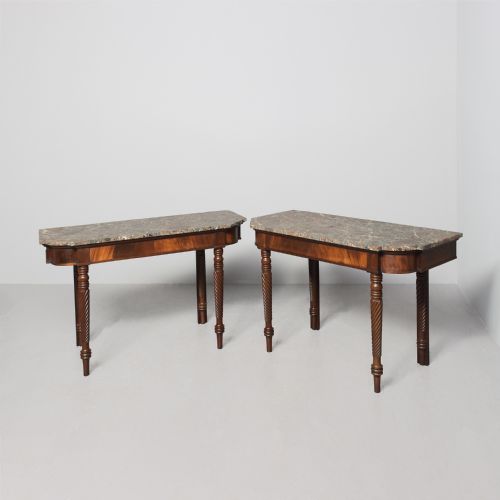
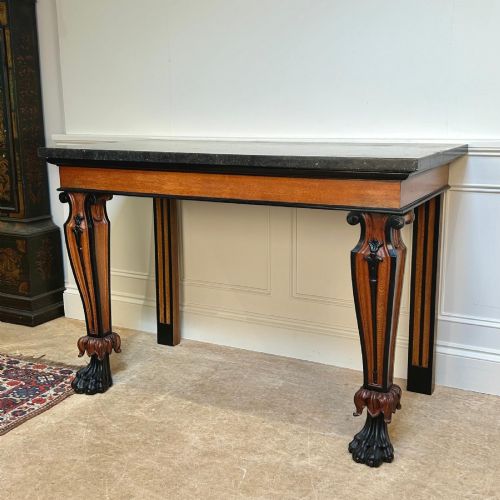
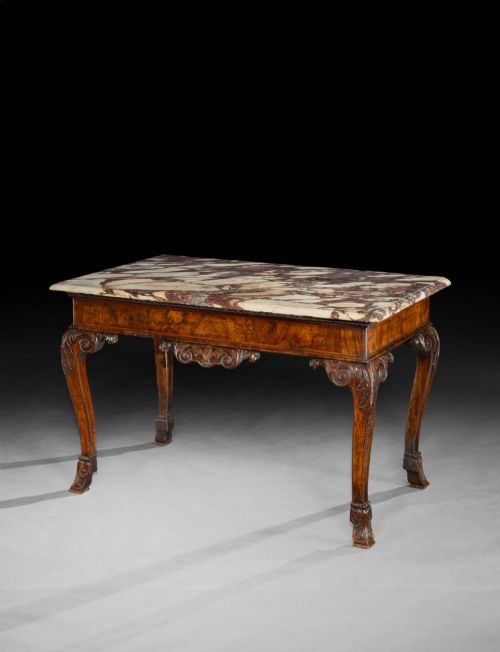
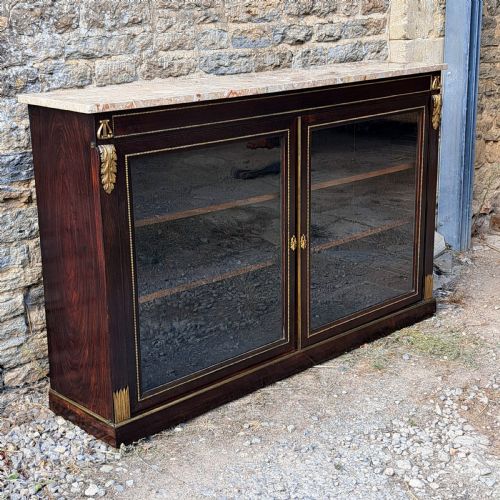
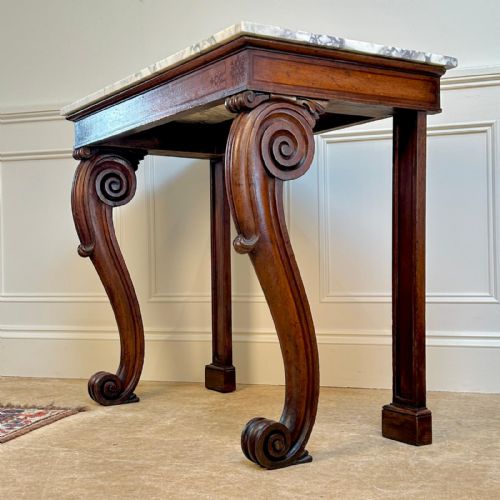
When you search for a georgian marble top, you encounter heavy console tables, side tables, and occasional pieces that pair polished stone with timber or giltwood frames. These objects originate across the eighteenth and nineteenth centuries, spanning George II, George III, and Regency periods alongside later revivals.
Console tables and side tables dominate the offerings on this page, often featuring carved walnut, mahogany, oak, or painted pine beneath fitted stone slabs. Examples range from compact lamp tables to grand country house serving tables and specialised specimen marble designs.
Materials and construction
Carpenters and cabinet makers constructed the supporting bases using dense hardwoods such as mahogany, walnut, rosewood, and oak, frequently adding giltwood enrichment or painted finishes. These timber frames required robust joinery to support the significant downward pressure of a solid stone surface.
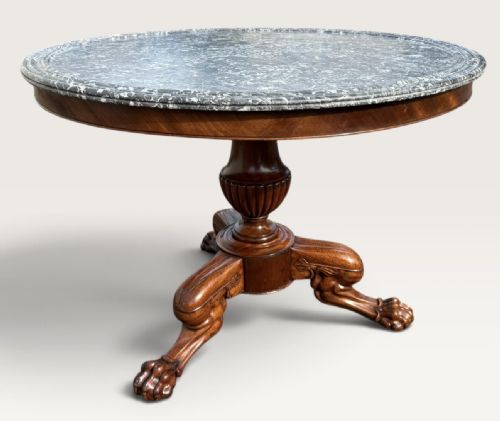
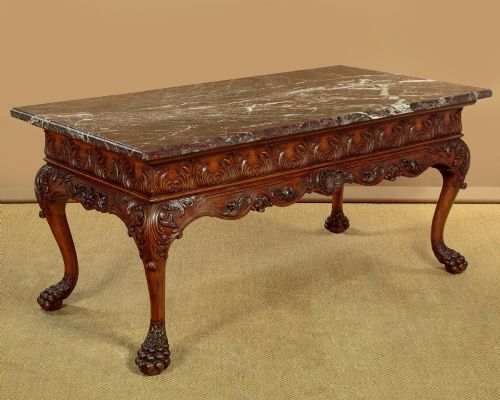
Slabs of marble or specimen stone were cut, ground, and polished to fit precisely over the wooden rails and friezes. Some pieces incorporate complex marquetry, brass mounts, or carved details like lion masks and paw feet to complement the mineral top.
Georgian Marble Top Retail Price Guide 2026
Typical asking prices for georgian marble top among the pieces listed under this phrase on Sellingantiques today, from the lower quarter to the upper quarter. They describe what is for sale here now, not the wider market.
Listings here unite mahogany, walnut, and rosewood timbers with nineteenth-century Regency and eighteenth-century George II design vocabulary.
Evaluating quality and execution
The distinction between standard examples and finer pieces lies in the crispness of the timber carving and the selection of the stone. Superior tables display deeply carved details, such as eagles or foliage, executed with clear definition in walnut, mahogany, or giltwood.
Another measure of quality involves the integration of the marble slab with the base and the complexity of the stone itself. Multi-coloured specimen marbles and precisely fitted edges indicate a higher tier of workshop production than plain slabs resting on simpler pine or oak structures.
John Mclean
The Georgian Marble Top Glossary
- Console table
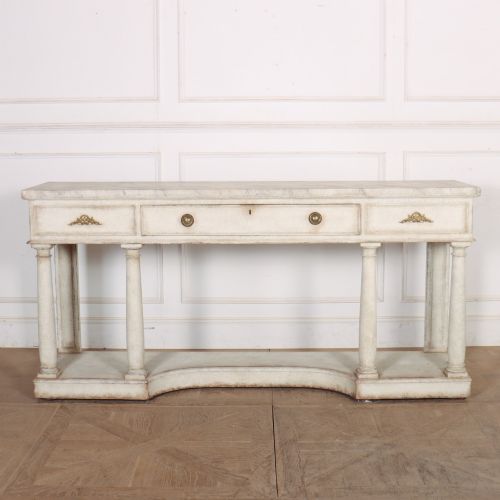
- A table designed to stand against a wall, frequently secured to the structure or supported by heavy front legs. These forms often carry stone tops.
- Giltwood
- Timber, commonly lime or pine, coated with a thin layer of gold leaf over a prepared gesso ground. This finish reflects light richly in formal interiors.
- Specimen marble
- A top assembled from multiple distinct coloured marbles arranged in geometric patterns or geological samples. Such surfaces demonstrate high technical skill in stonecutting.
- Gueridon
- A small circular table intended for display or occasional use, often supported by a central pillar or three legs. They frequently feature marble disks.
- Demi-lune
- A half-moon shape used for tables and cabinets designed to fit flush against a wall. This profile accommodates fitted stone tops gracefully.
Georgian Marble Top: Frequently Asked Questions
What is a georgian marble top used for?
These pieces serve primarily as console tables, side tables, or serving surfaces in reception rooms and hallways. Their heavy stone slabs provide a durable, cool surface that resists staining from drinks or decorative objects.
Historically, they occupied prominent wall spaces beneath mirrors or paintings, functioning as both display furniture and architectural accents within formal rooms.
How do I care for the marble surface?
Clean the stone regularly using a soft, damp cloth and neutral soap, avoiding acidic substances like lemon juice or vinegar that etch polished surfaces. Wipe up spills promptly to prevent absorption into more porous stones.
Use coasters under glasses and felt pads beneath heavy decorative objects to guard against scratches and surface damage over time.
How do I distinguish genuine older pieces from later revivals?
Examine the underside of the table, the construction joints, and the wear patterns on the timber frame for signs of age. Hand-cut fixings, tool marks, and natural timber shrinkage help confirm earlier manufacture.
Compare the style of the carving and the character of the marble with documented examples from the eighteenth and nineteenth centuries to verify the period.
Can these tables support heavy items?
The sturdy timber frames and solid stone tops are built to bear substantial weight, making them suitable for heavy lamps, bronze figures, or large ceramic bowls. The primary structural limitation is the wall attachment of certain console designs rather than the table itself.
Ensure that wall-mounted console examples are properly anchored if they rely on the architectural structure for balance alongside their legs.