

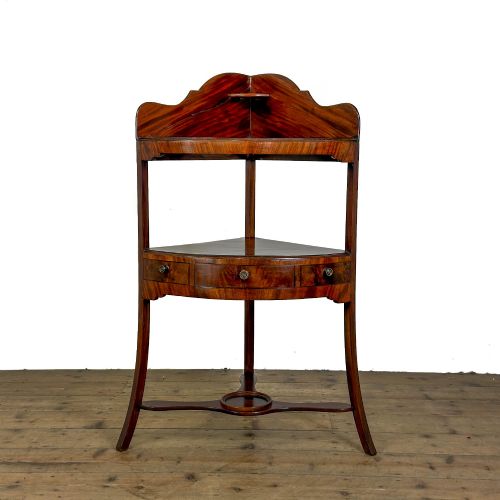


Georgian Mahogany Wash Stand
A georgian mahogany wash stand is a functional piece of period furniture designed for personal grooming, offering practical surface space and storage.
Georgian Mahogany Wash Stand
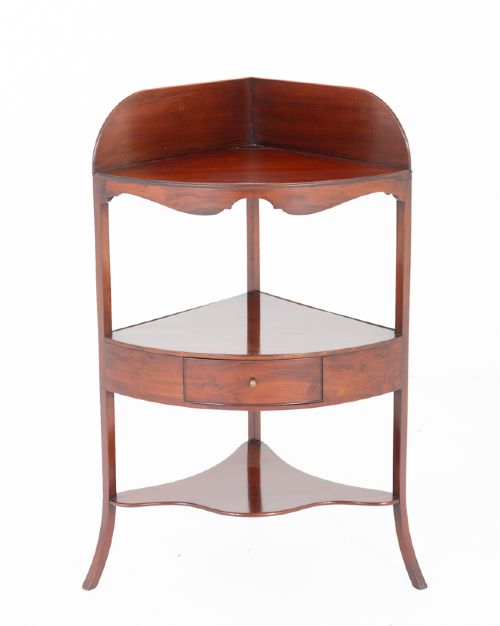
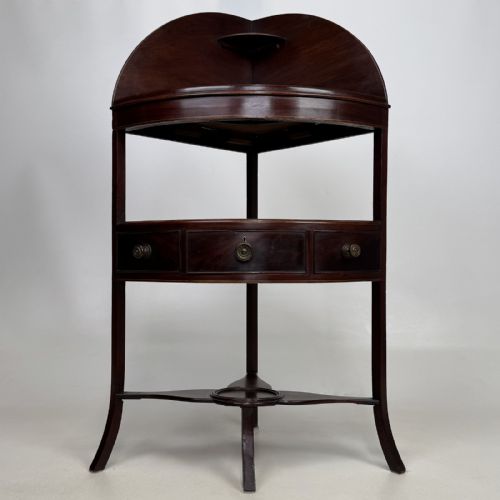
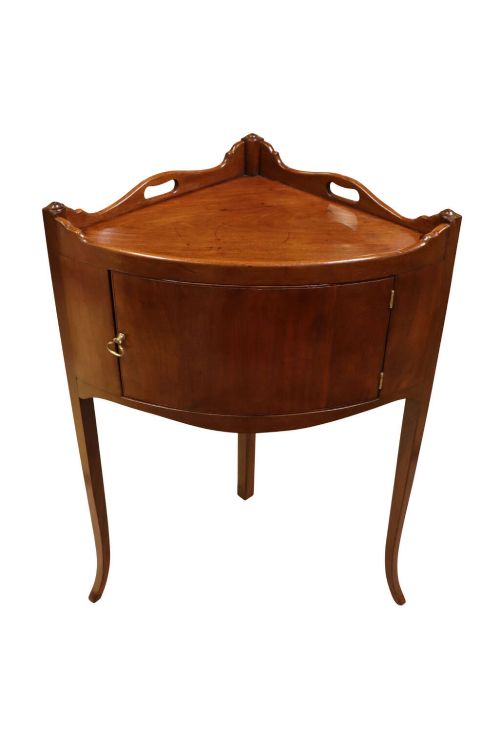
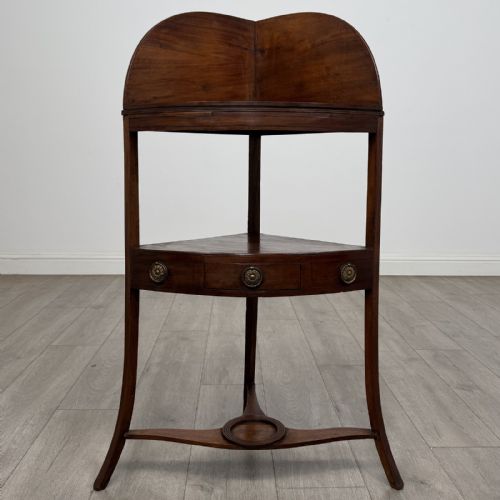
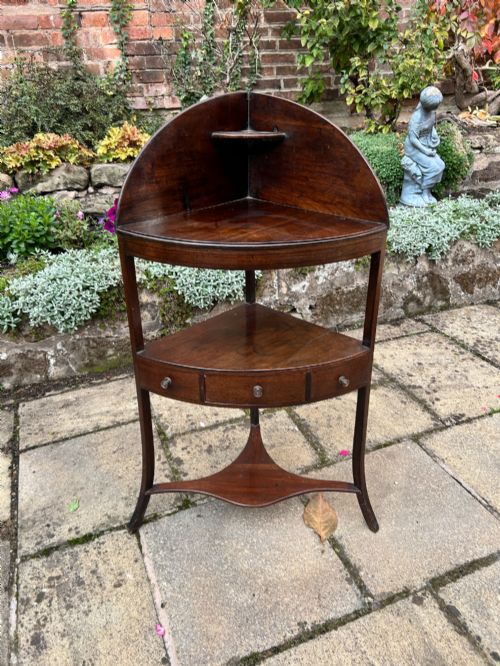
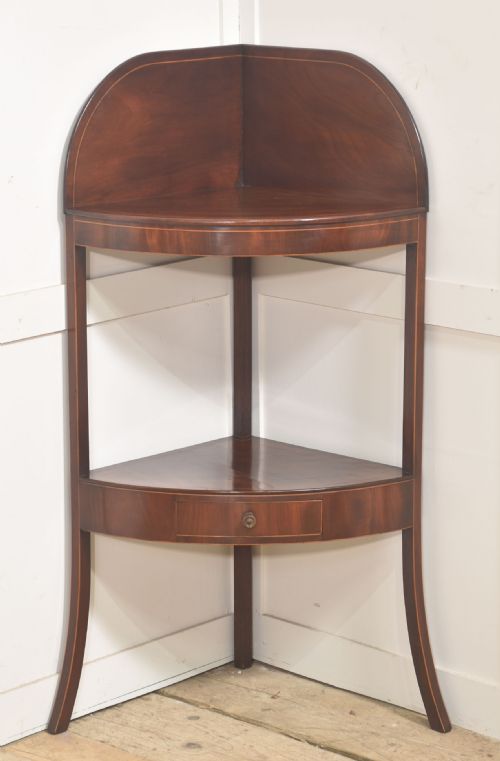
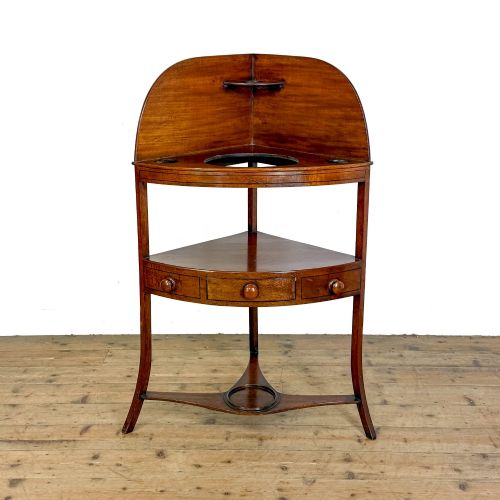
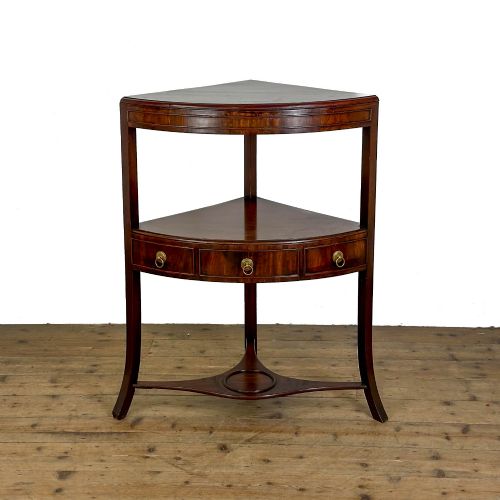
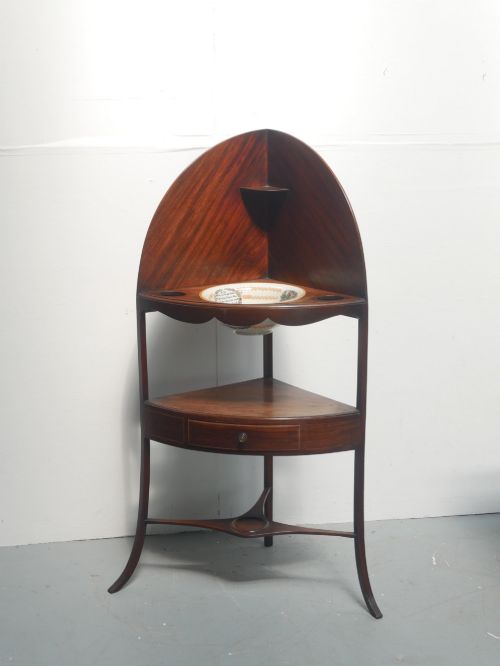
A georgian mahogany wash stand takes several distinct forms in the evidence, most commonly appearing as corner washstands designed to fit neatly into domestic spaces. These pieces span periods from the eighteenth century through the nineteenth century, encompassing Georgian, Regency, and Victorian iterations.
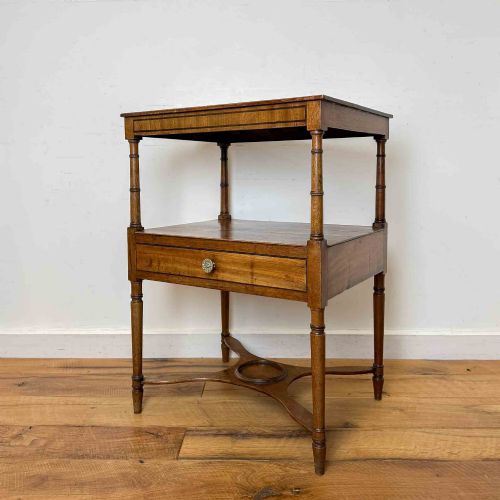
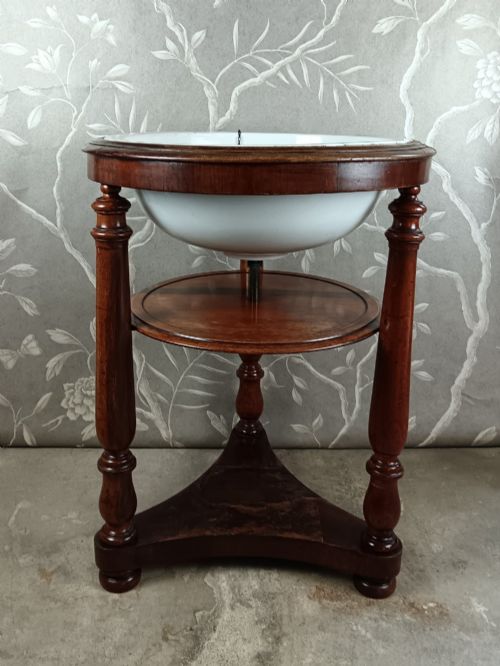
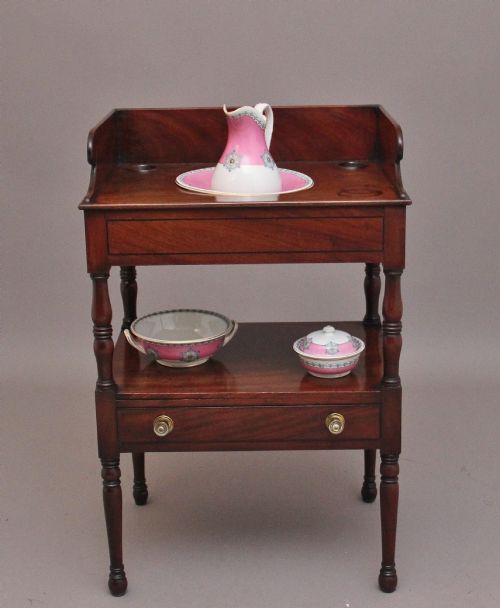
Beyond the standard corner configurations, the record shows bow front designs, round basin stands, and multi-tiered bedside cabinets. Makers of the period also produced gentleman's wash stands incorporating folding tops, tambour cabinets, and mirrors alongside basin rings.
How They Were Made
Makers constructed these wash stands primarily from solid and veneered mahogany, frequently incorporating secondary timbers and brass hardware for handles, framing, or campaign mounts. Surface decoration often relied on boxwood inlay to define edges and panels.
Structural designs utilised tiered frameworks, tripod supports, and bow front cabinetry to hold ceramic wash bowls and basins safely. Glazed ceramic basins and glass elements appeared alongside timber components in various configurations.
Georgian Mahogany Wash Stand Retail Price Guide 2026
Typical asking prices for georgian mahogany wash stand among the pieces listed under this phrase on Sellingantiques today, from the lower quarter to the upper quarter. They describe what is for sale here now, not the wider market.
Recorded styles include George II, George III, Regency, Victorian, and campaign designs alongside standard Georgian forms.
What Varies in Quality
The standard of a georgian mahogany wash stand depends upon the selection of timber grain, the precision of boxwood inlay, and the retention of original brass or ceramic components. Pieces featuring integrated cabinets, folding tops, or stamped maker attribution demonstrate higher levels of workshop execution.
Construction methods and the survival of original surfaces separate standard utility examples from finer gentleman's pieces. The integration of secondary woods and the stability of tiered corner joints dictate the overall integrity of each surviving item.
Gillows Lancaster
The Georgian Mahogany Wash Stand Glossary
- Washstand
- A piece of furniture designed to hold a basin, jug, and washing accessories for personal hygiene. These items range from simple tripod stands to enclosed cabinet forms.
- Corner washstand
- A triangular furniture form designed specifically to fit into the corner of a room to save space. This configuration is particularly common among Georgian mahogany survivals.
- Boxwood inlay
- A decorative technique involving contrasting light boxwood inserted into mahogany surfaces to create linear borders and geometric patterns. It provides subtle visual contrast on period case pieces.
- Basin stand
- A specialised frame or table incorporating a circular aperture at the top to receive a wash bowl. These often feature lower tiers for water jugs and soap containers.
- Tambour cabinet
- A small enclosed cupboard fronted by narrow vertical slats of wood that slide sideways in a track. This mechanism conceals storage space within bedside and wash stand units.
Georgian Mahogany Wash Stand: Frequently Asked Questions
What is a georgian mahogany wash stand used for?
These pieces served as dedicated bedroom or dressing room furniture for morning ablutions, holding water basins, jugs, and related grooming equipment.
Modern interiors often repurpose them as corner tables, plant stands, or occasional lamp tables due to their compact footprint.
Did all wash stands include cabinets?
Many examples remain open-framed with two or three distinct tiers for holding basins and ewers without enclosed storage. Other variations incorporate bedside cabinet spaces or tambour doors beneath the basin ring.
Gentleman's versions sometimes included folding tops designed to conceal the washing apparatus when not in use.
What materials were used in construction?
Mahogany served as the primary structural and visible timber across the majority of surviving examples from this era. Cabinetmakers frequently added boxwood inlay for decorative contrast along edges and panels.
Fittings such as handles and brackets utilised brass, while the wash basins themselves were made from glazed ceramic.