
Georgian Mahogany Snap Top Table
A georgian mahogany snap top table brings clever engineering and rich timber together for practical living.
Georgian Mahogany Snap Top Table
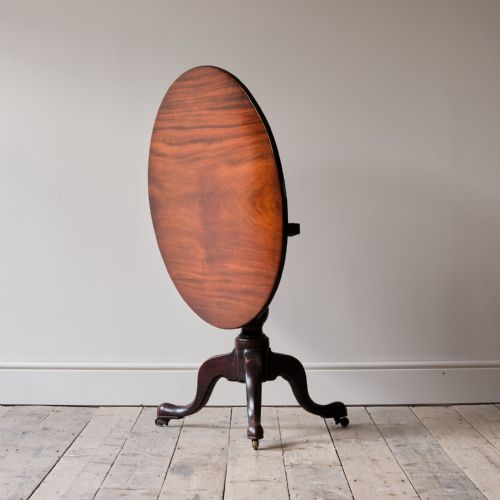
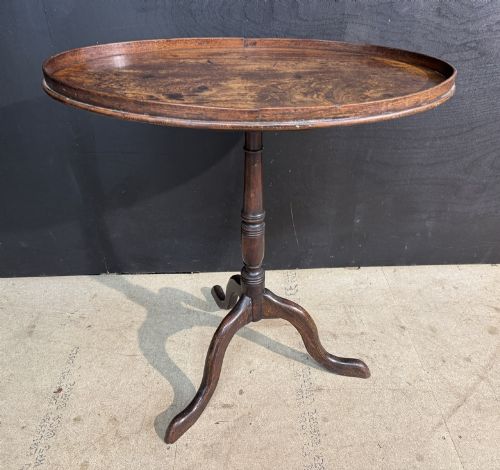
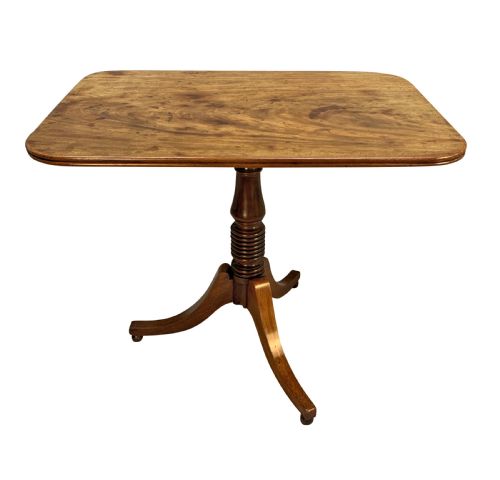
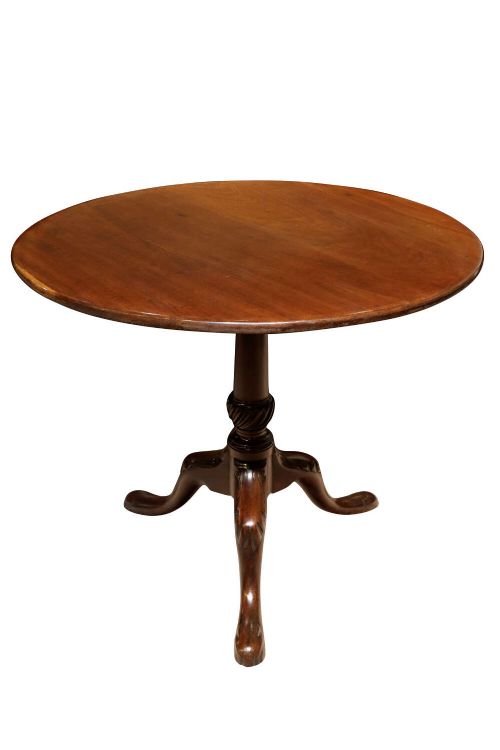
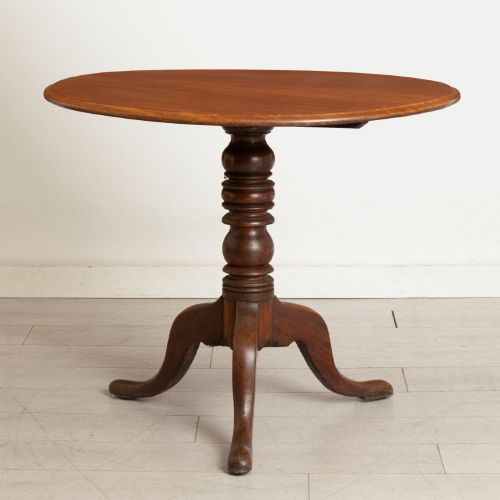
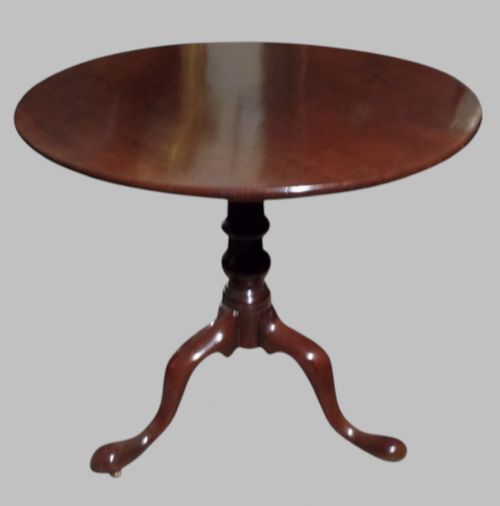
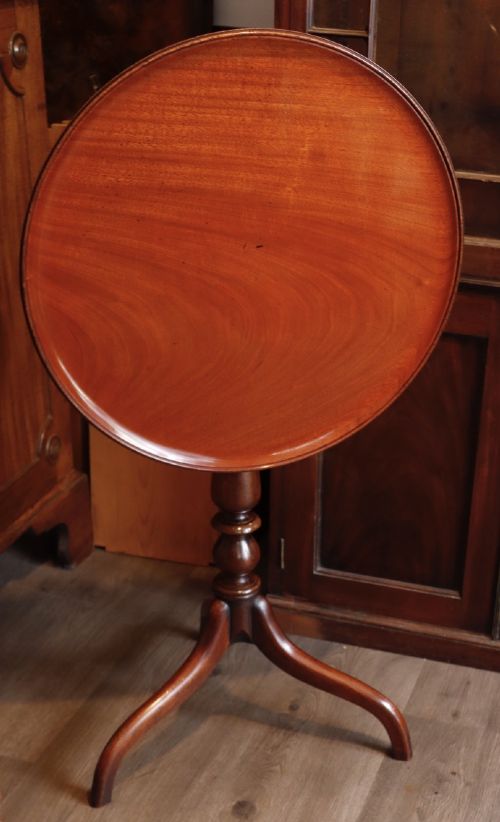
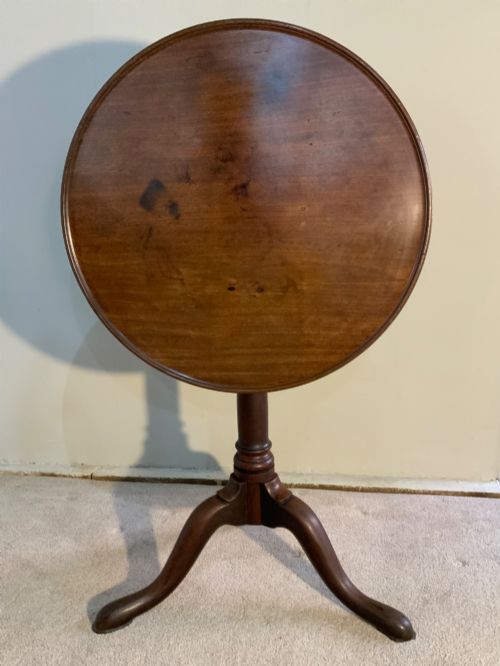
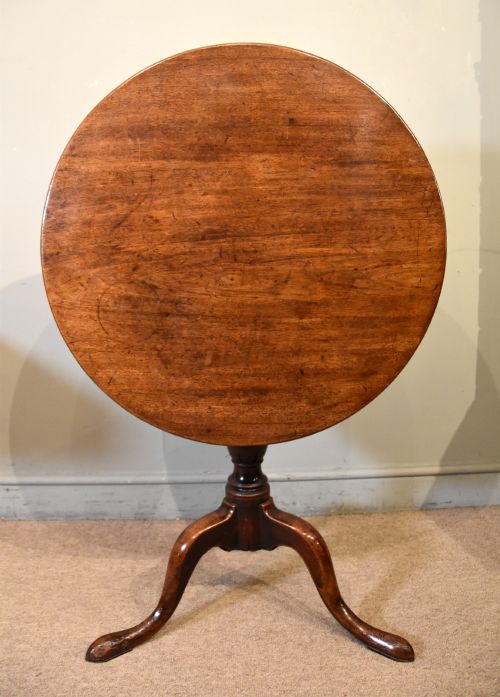
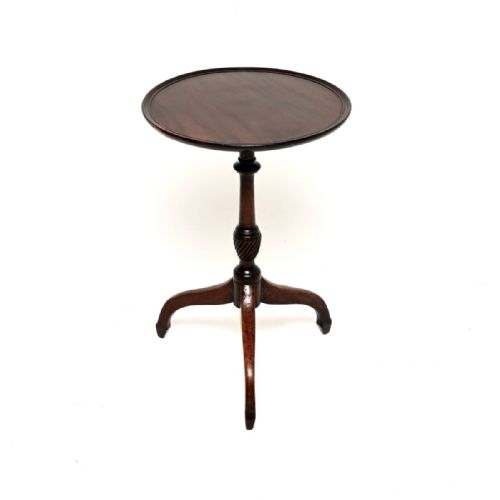
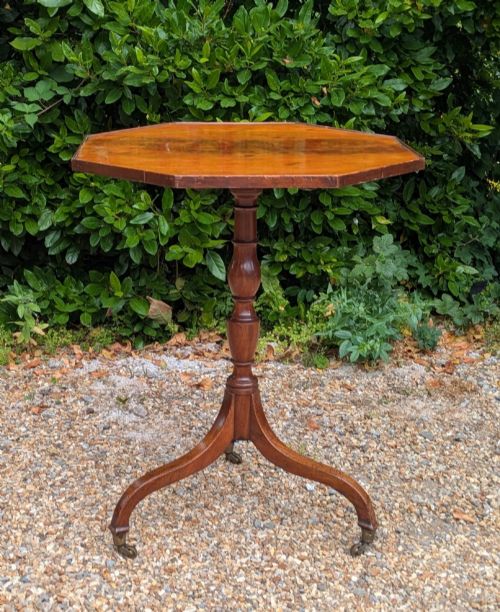
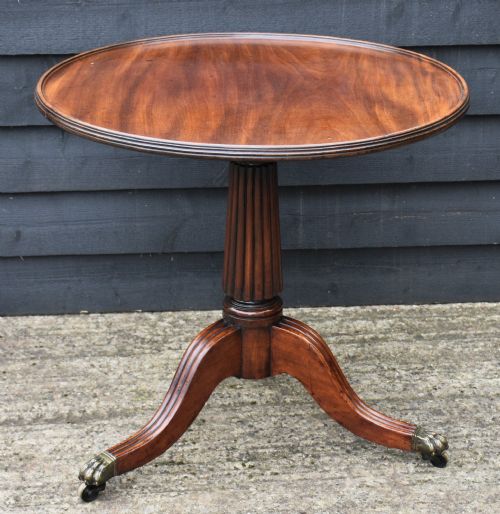
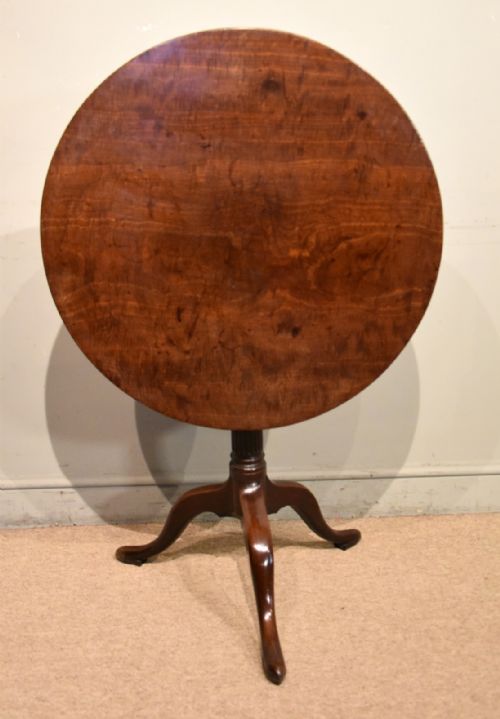
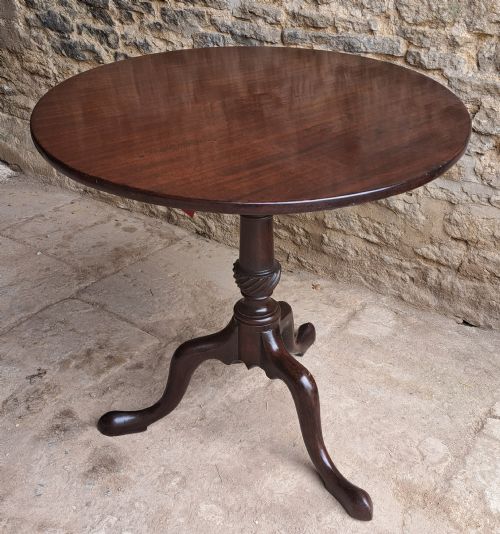
A georgian mahogany snap top table stands on a central pillar supported by three legs, with a surface that tilts vertically to save space against a wall when not in use. These pieces appear frequently from the eighteenth century, including the Georgian and Regency periods, shaped as occasional tables, wine tables, supper tables, and breakfast tables.
Makers fashioned these tables in various sizes, from small lamp tables to large dining tables seating six. The evidence shows forms ranging from simple occasional pieces to elaborate tripod designs with revolving tops and birdcage mechanisms.
Materials and Construction
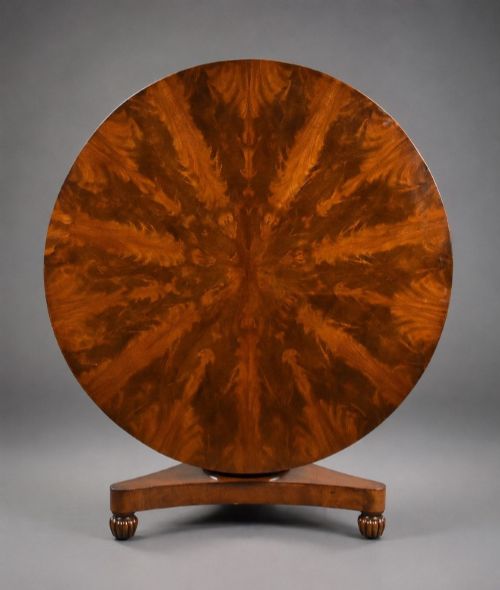
Joiners relied heavily on mahogany, including Cuban mahogany, flame mahogany veneer, and figured timber, sometimes accented with satinwood, rosewood, brass, and iron inlay. Wood turning formed the central columns, while sturdy tripod bases provided balance for the tilting tops.
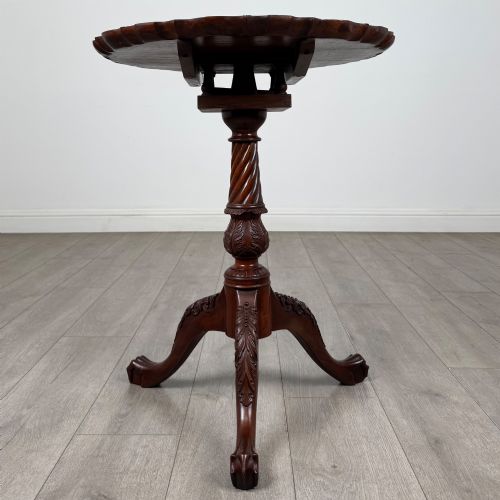
Makers utilised clever mechanisms such as the birdcage to allow the top to revolve and tilt. One piece top tripod construction required wide timber boards selected for grain pattern and stability.
Supper tables tilted upright let homes transform dining rooms into dancing spaces instantly.
Assessing the Craftsmanship
Quality rests in the selection of the timber, particularly where figured mahogany, flame veneers, or one-piece tops display rich grain patterns. Superior examples show refined carving on the tripod legs and precise turning on the column.
The sophistication of the mechanism dictates the standard of the piece, with complex birdcage joints and smooth-revolving tops representing higher levels of joinery.
The Georgian Mahogany Snap Top Table Glossary
- Snap top table
- A table with a hinged top that locks flat for use and tilts vertically when stored. This mechanism allows the furniture to stand flat against a wall.
- Birdcage
- A timber framework beneath the tabletop that allows the surface to both rotate and tilt. This pivoting assembly sits atop the central column.
- Tripod base
- A support structure comprising three legs radiating from a central pillar. It offers stability on uneven floors.
- Pie crust
- A carved, raised decorative border shaped around the edge of a circular tabletop. This edging often appears on Georgian occasional tables.
- Flame mahogany veneer
- A thin slice of wood cut from timber where branches join the trunk, producing a rippling, flame-like pattern. Craftsmen applied this to visible surfaces for visual depth.
Georgian Mahogany Snap Top Table: Frequently Asked Questions
How do I use a tilt top table today?
These tables adapt easily to modern rooms as lamp tables, side tables, or occasional surfaces. Their tilting mechanism remains useful if you want to tuck a table away in a corner or hallway.
Keep them away from direct heat sources and strong sunlight to protect the polished mahogany surfaces and timber veneers over time.
How do I spot a Georgian period table?
Look for construction details characteristic of the eighteenth and early nineteenth centuries, such as solid mahogany timbers, hand-turned columns, and traditional joinery. Period pieces often exhibit subtle signs of age in the patina of the wood.
Styles span from mid-eighteenth-century tripod designs to later Regency and George III variations, incorporating elements like brass inlay or birdcage mechanisms.
What is a birdcage mechanism?
A birdcage is a small wooden cage-like frame fitted beneath the tabletop that connects the surface to the central pillar. It permits the top to revolve smoothly in a full circle.
This clever piece of engineering lets diners turn the table toward them to reach items easily without moving the entire heavy base.