

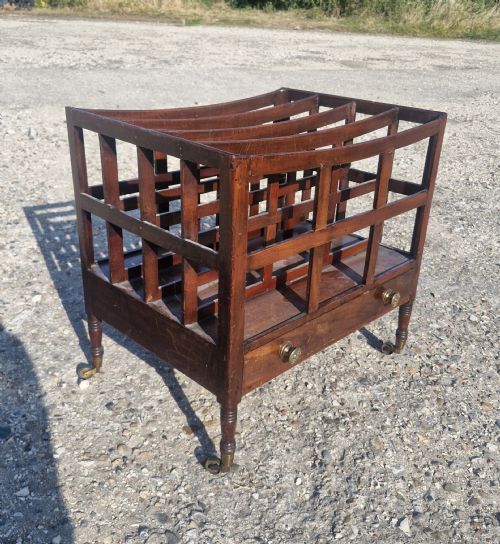
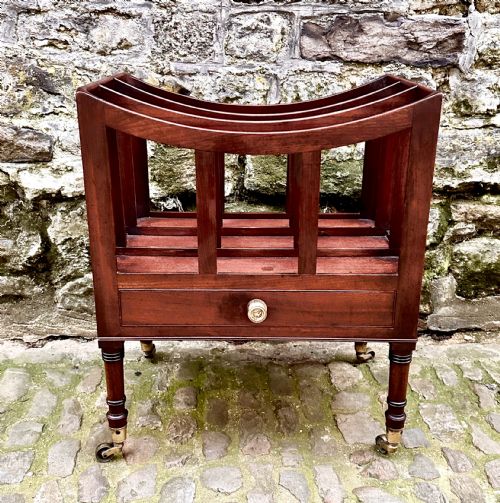
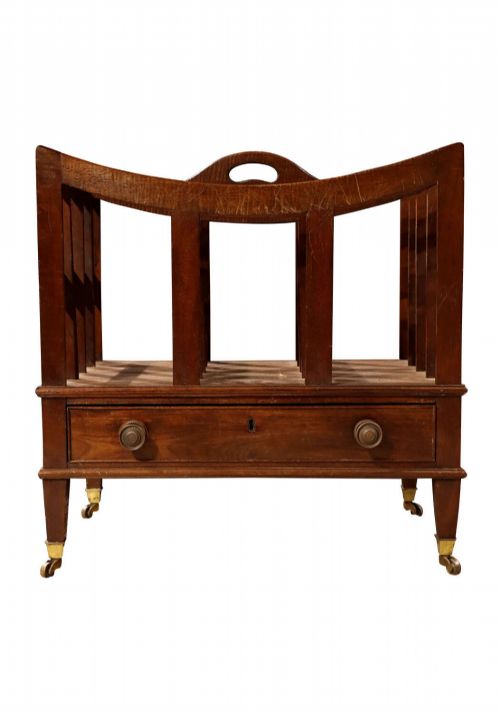
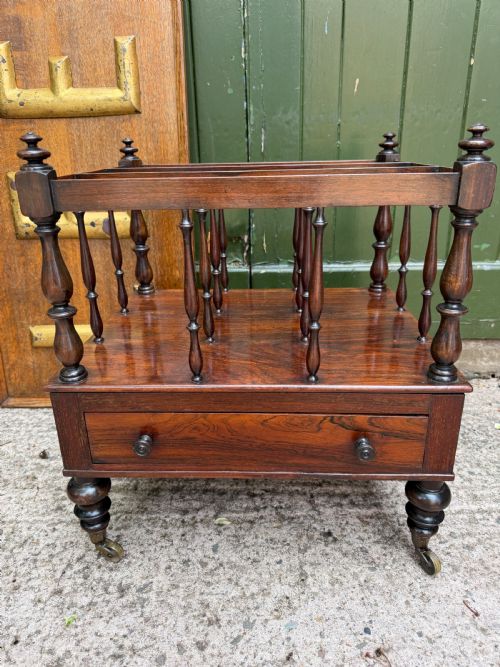


Georgian Mahogany Sheet Music Rack
A Georgian mahogany sheet music rack is a practical piece designed to hold folios and scores, bringing refined timber to any room.
Georgian Mahogany Sheet Music Rack
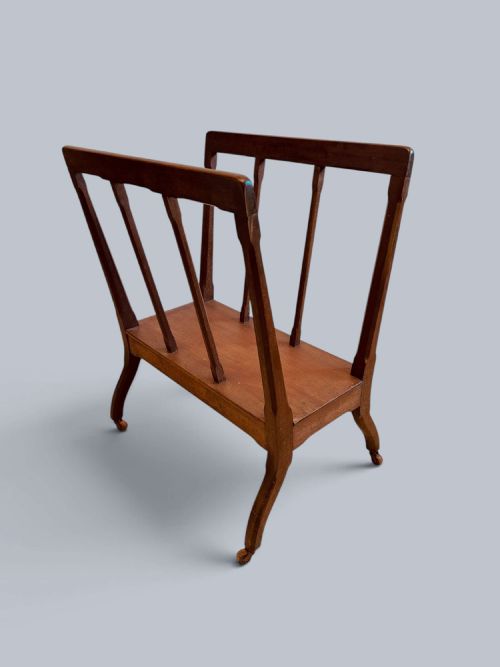
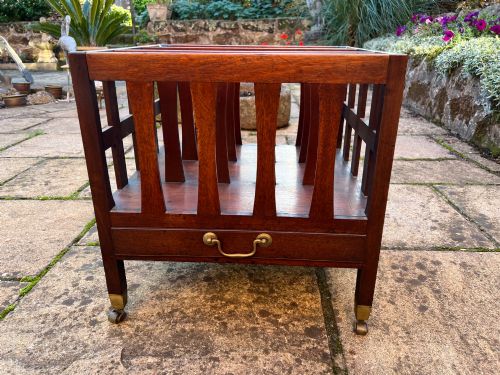
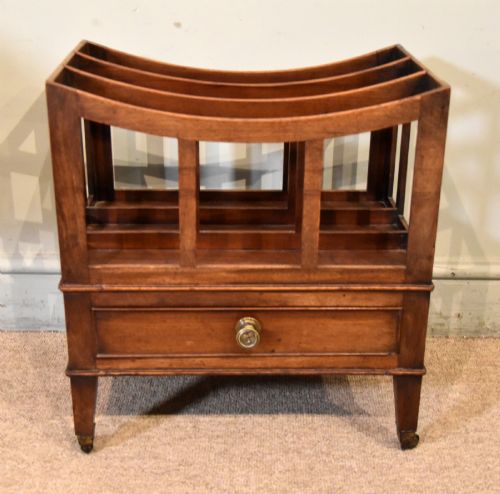
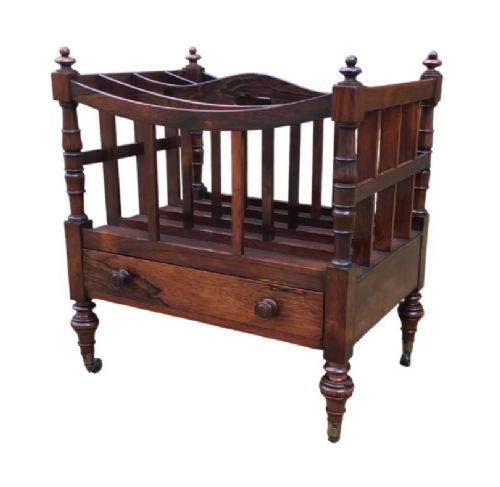
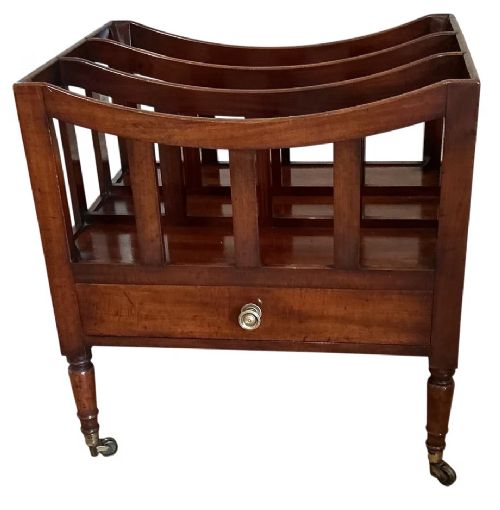
A georgian mahogany sheet music rack most commonly takes the form of a freestanding Canterbury, designed to hold folios and scores upright. These pieces serve to organise paper and books in a sitting room or music room.
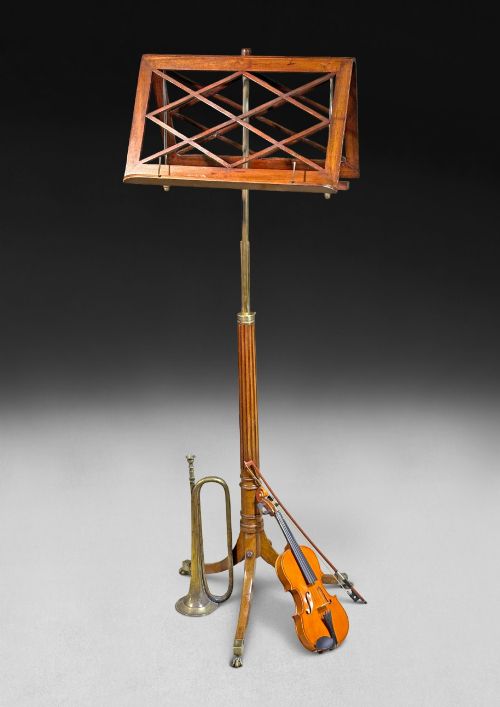
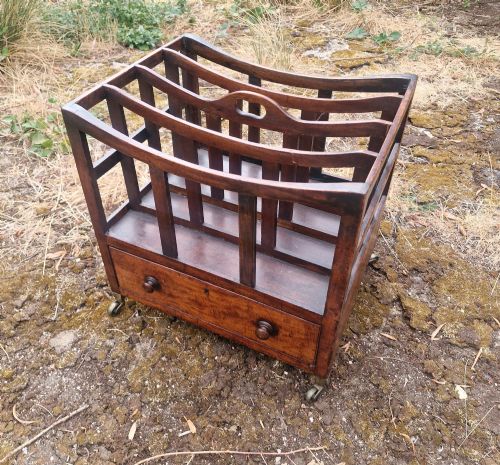
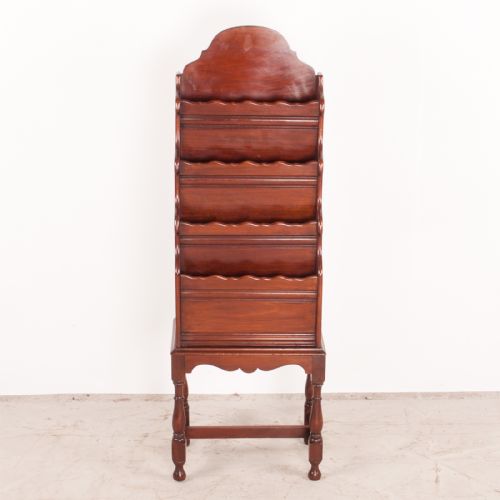
The version most frequently met on this page is the Canterbury featuring multiple divided sections above a single drawer. Makers also produced music stands and boat shaped racks during the Georgian and Regency periods.
How they were made
Cabinet makers utilised solid mahogany and Cuban mahogany for structural strength and rich grain patterns. Secondary timbers and turnings often received careful shaping by hand.
Details such as brass castors, ebony banding, boxwood inlay, and turned legs complete the construction of these pieces. Slatted divisions were pierced or scrolled to create light structures.
Georgian Mahogany Sheet Music Rack Retail Price Guide 2026
Typical asking prices for georgian mahogany sheet music rack among the pieces listed under this phrase on Sellingantiques today, from the lower quarter to the upper quarter. They describe what is for sale here now, not the wider market.
Materials recorded across the selection include mahogany, Cuban mahogany, rosewood, brass, ebony, and boxwood.
What varies in quality
The sophistication of the turning on the legs and the intricacy of the pierced fretwork divisions separate standard examples from finer ones. Superior pieces display thoughtful proportions and careful timber selection.
The integration of dovetailed drawers and fine brass castors indicates a higher grade of workshop production. Banding and inlay work also contribute to the distinction between basic utility pieces and grand salon items.
The Georgian Mahogany Sheet Music Rack Glossary
- Canterbury
- A low freestanding stand with divided sections for holding sheet music, folios or periodicals. It often incorporates a drawer beneath the partitions.
- Cuban mahogany
- A dense, dark timber imported from the Caribbean, prized for its rich figure and deep colour in finer furniture. Cabinet makers favoured it for prominent display pieces.
- Boat shaped
- A curved form resembling a ship's hull, seen in the design of specific Regency racks. This outline provides both visual grace and sturdy containment for papers.
- Banding
- A narrow strip of contrasting timber inlaid around the edges of a surface to create a decorative border. Ebony and boxwood are typical choices for this contrasting work.
- Castor
- A small wheel fitted to the legs of furniture to allow easy movement across carpets or floors. Brass versions are common on Regency and Georgian pieces.
Georgian Mahogany Sheet Music Rack: Frequently Asked Questions
What is a Canterbury used for?
A Canterbury was originally built to store sheet music, folios, and books near a piano or seating area.
Today, these stands serve equally well for holding magazines, newspapers, and modern reading materials in a living room.
How do I tell a Georgian rack from later ones?
Georgian and Regency examples show period timber selection, hand cut joints, and traditional brass fixings. Later revivals often display different proportions and machine-made elements.
Examining the construction inside the drawer reveals the hand tools used by period craftsmen.
Can these stands hold heavy books?
The sturdy mahogany frame and divided sections provide reliable support for standard folios and music books.
However, overloading the partitions with extremely heavy volumes can strain the joints and slender turned uprights.
Where should I place a music rack?
These freestanding pieces suit a corner by a piano, beside an armchair, or alongside a bookshelf.
Keeping them away from direct heat sources protects the polished mahogany surface and prevents the timber from drying out.