

Georgian Low Cabinet
A georgian low cabinet brings solid timber and proportion to a room, offering low-level storage with period character.
Georgian Low Cabinet
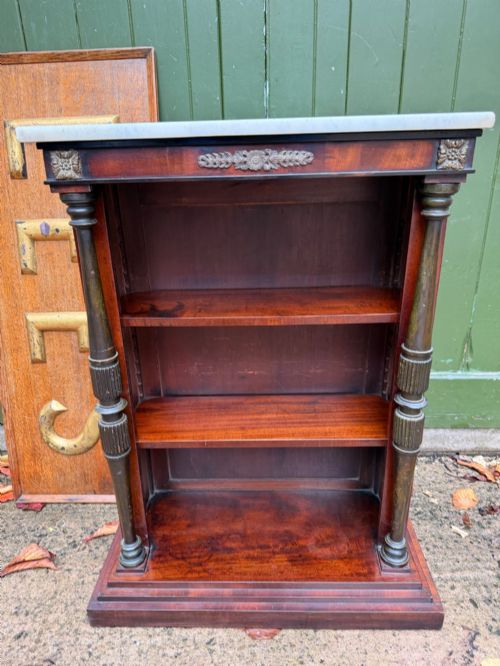
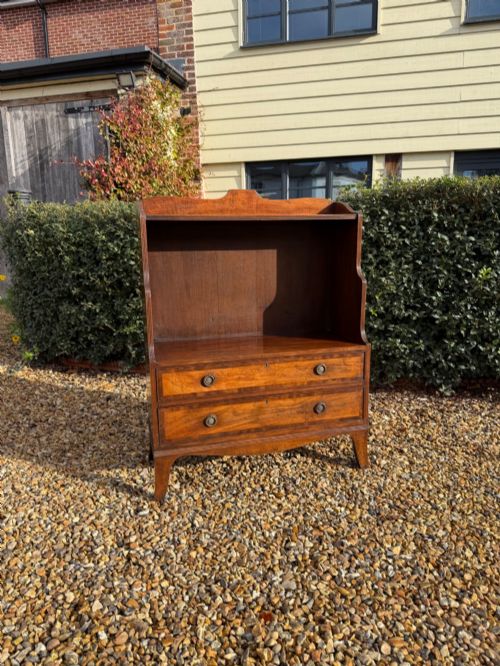
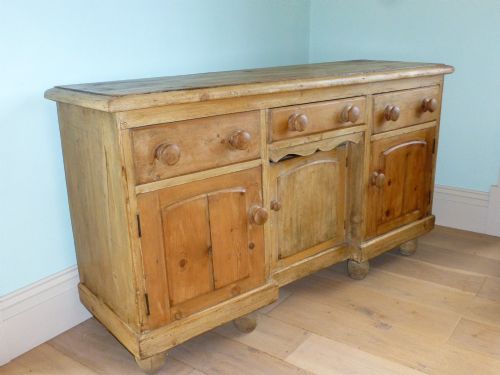
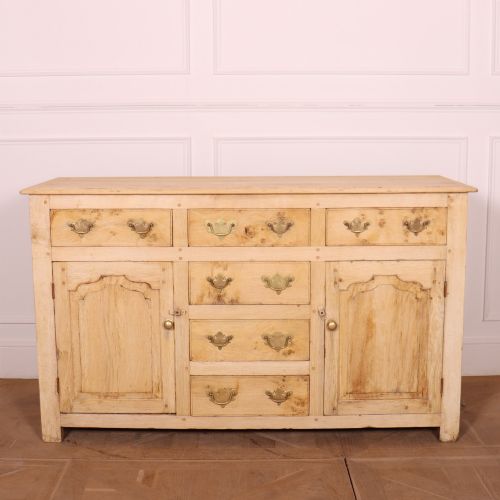
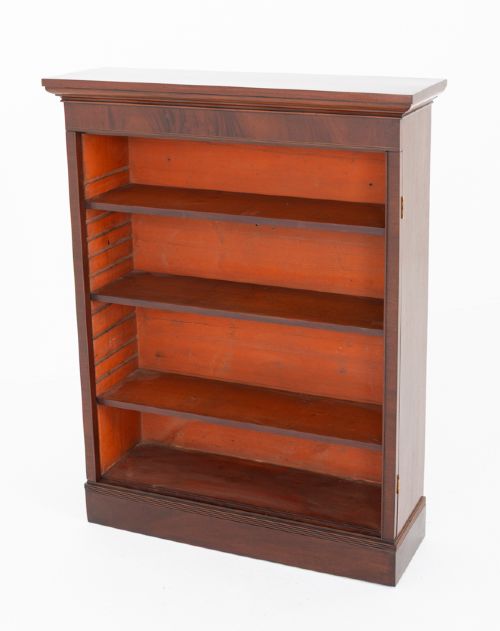
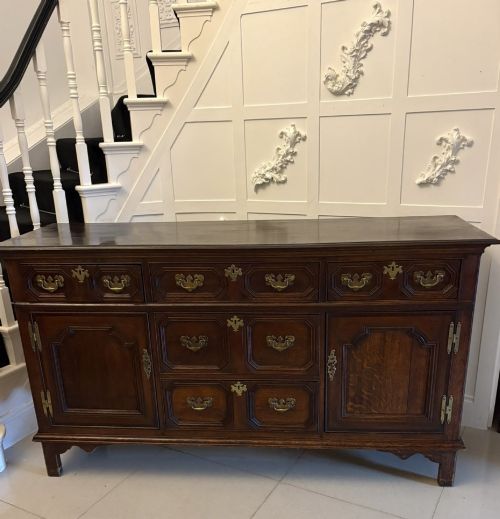
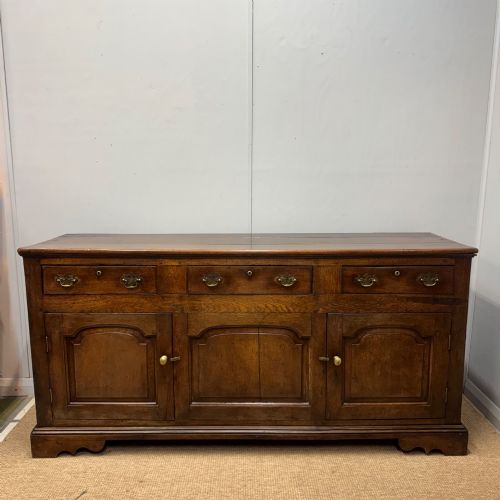
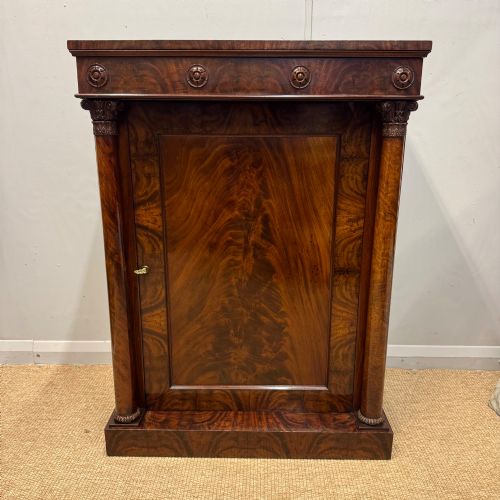
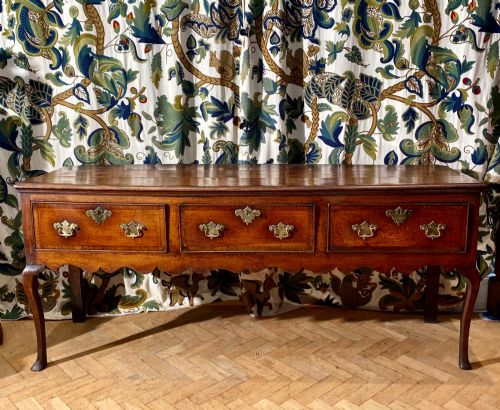
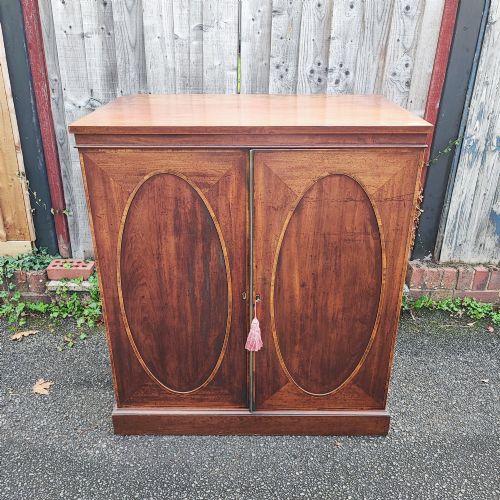
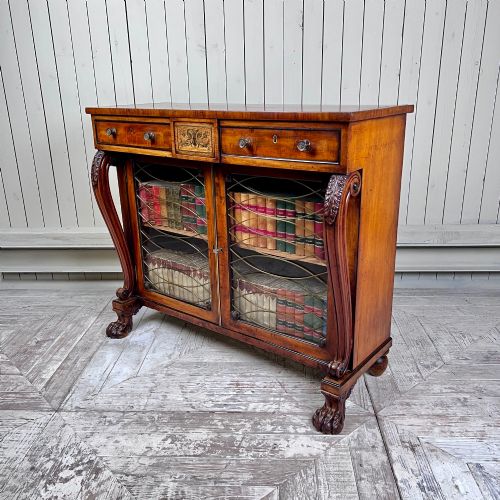
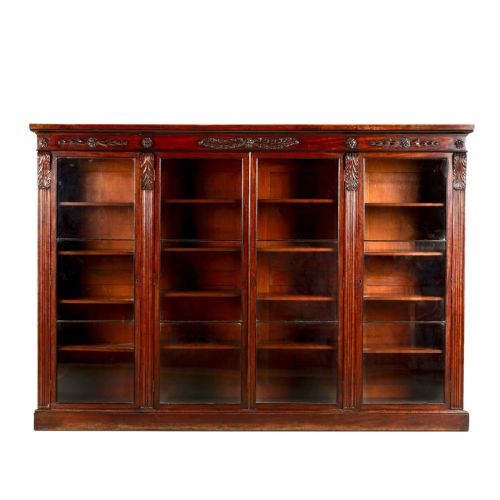
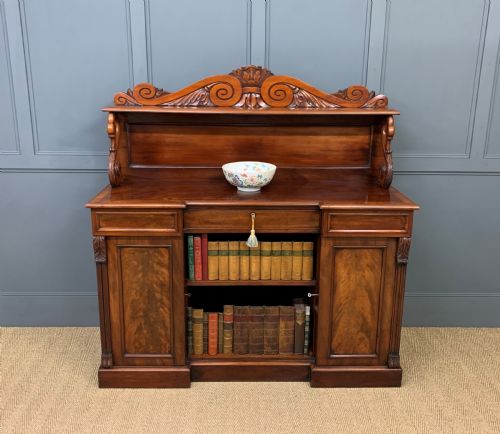
A georgian low cabinet typically presents as a substantial piece of furniture designed to sit low against a wall, encompassing forms such as dresser bases, dwarf bookcases, and low cupboards. These pieces emerge primarily from the Georgian, George III, and Regency periods, utilising robust timbers like oak, mahogany, and fruitwood.
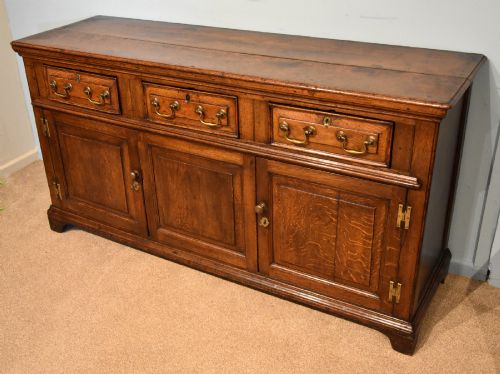
The version most commonly met on this page is the low oak or mahogany dresser base and side cabinet, often featuring doors or open shelving. Pieces span from the 18th century through to the early 19th century, occasionally extending into later revival styles while maintaining a low profile.
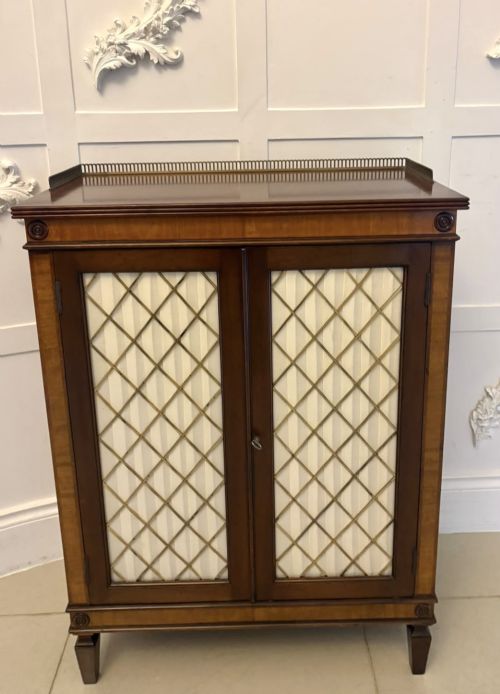
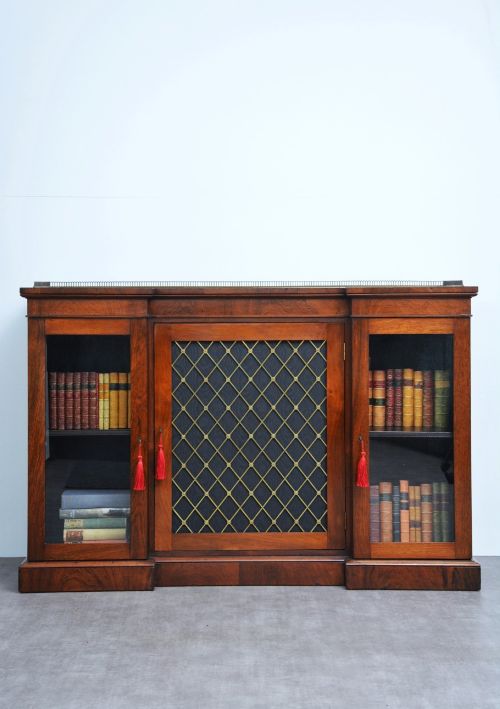
Buyers encounter various configurations, including two-door cupboards, concave side cabinets, and low linen presses. The construction prioritises utility and grounded stability, making them versatile additions to contemporary and traditional interiors alike.
Materials and construction
Cabinetmakers constructed these pieces predominantly using solid mahogany, oak, and rosewood, frequently incorporating secondary timbers like elm and fruitwood for internals. Flame mahogany veneers and satinwood bandings add surface interest to finer examples.
Joinery techniques rely on traditional hand-cut dovetails for drawer construction and mortise and tenon joints for the main frames. Metalwork details such as brass mounts, grilles, and inlay work provide functional and decorative accents on Regency and late Georgian iterations.
Georgian Low Cabinet Retail Price Guide 2026
Typical asking prices for georgian low cabinet among the pieces listed under this phrase on Sellingantiques today, from the lower quarter to the upper quarter. They describe what is for sale here now, not the wider market.
Listings feature timbers including mahogany, oak, rosewood, and satinwood across Georgian, Regency, and Edwardian periods.
Assessing quality
Quality in a georgian low cabinet rests on timber selection and figure, where richly grained flame mahogany or well-figured oak elevates a standard form. The crispness of carved details, brass inlay, and the retention of original hardware distinguish superior workshops.
Proportion and structural integrity define the higher tier, ensuring drawers run smoothly and doors hang square without modern timber replacements. The depth of the natural patina accumulated over centuries marks the distinction between untouched surfaces and over-restored examples.
The Georgian Low Cabinet Glossary
- Dresser base
- A low wooden sideboard or cupboard originally used in kitchens or dining rooms for food preparation and storage. They often feature drawers above a series of cupboards or an open pot board.
- Chiffonier
- A small, low sideboard or cabinet developed during the Regency period, frequently fitted with shelves above or enclosed by fabric-backed or brass-grille doors.
- Dwarf bookcase
- A low open bookcase designed to sit below dado height, allowing wall space above for pictures or mirrors. They are particularly characteristic of the Regency and Victorian eras.
- Flame mahogany
- Timber cut from the fork of the mahogany tree where the branch joins the trunk, producing a distinctive flickering, flame-like grain pattern. Cabinetmakers reserved this veneer for the most prominent drawer fronts and doors.
- Frieze
- The flat, decorative band running horizontally beneath the top surface of a cabinet or bookcase, sometimes plain and sometimes decorated with inlay or carving.
Georgian Low Cabinet: Frequently Asked Questions
What is a low cabinet used for?
These pieces serve primarily as low storage units, functioning effectively as sideboards in dining rooms or media consoles in modern living spaces. Their reduced height allows surface display without dominating the wall.
They provide enclosed cupboard space or open shelving depending on the specific form, such as a dresser base or dwarf bookcase. This versatility makes them practical for organising books, tableware, or household items.
How do I date a georgian cabinet?
Dating relies on examining the timber species, construction methods, and hardware style. Earlier pieces from the 18th century often feature solid oak or walnut with hand-cut dovetails, while Regency examples frequently utilise mahogany or rosewood with brass inlay.
Secondary woods and drawer construction also offer clues, as machine-sawn timber indicates a later 19th-century date or revival period. Comparing the overall proportion and decorative motifs to documented examples helps narrow the decade.
Where should I place a low cabinet?
A low cabinet suits placement against long expanses of wall in hallways, dining rooms, or living areas where taller furniture would feel oppressive. Their height also makes them ideal for positioning beneath large mirrors or artwork.
Because many examples feature finished backs or sit well away from corners, they can anchor an interior layout effectively. Ensure you measure the floor clearance and depth to maintain clear walkways in smaller rooms.
How do I care for antique timber?
Maintain antique wood by keeping it away from direct heat sources and strong sunlight, which can dry out the timber and fade the finish. Dust regularly with a soft, dry cloth rather than using silicone-based polishes.
Applying a traditional beeswax occasionally helps nourish the wood and preserve its natural patina without building up a heavy residue. Handle brass fittings gently and avoid abrasive cleaners on metal parts.